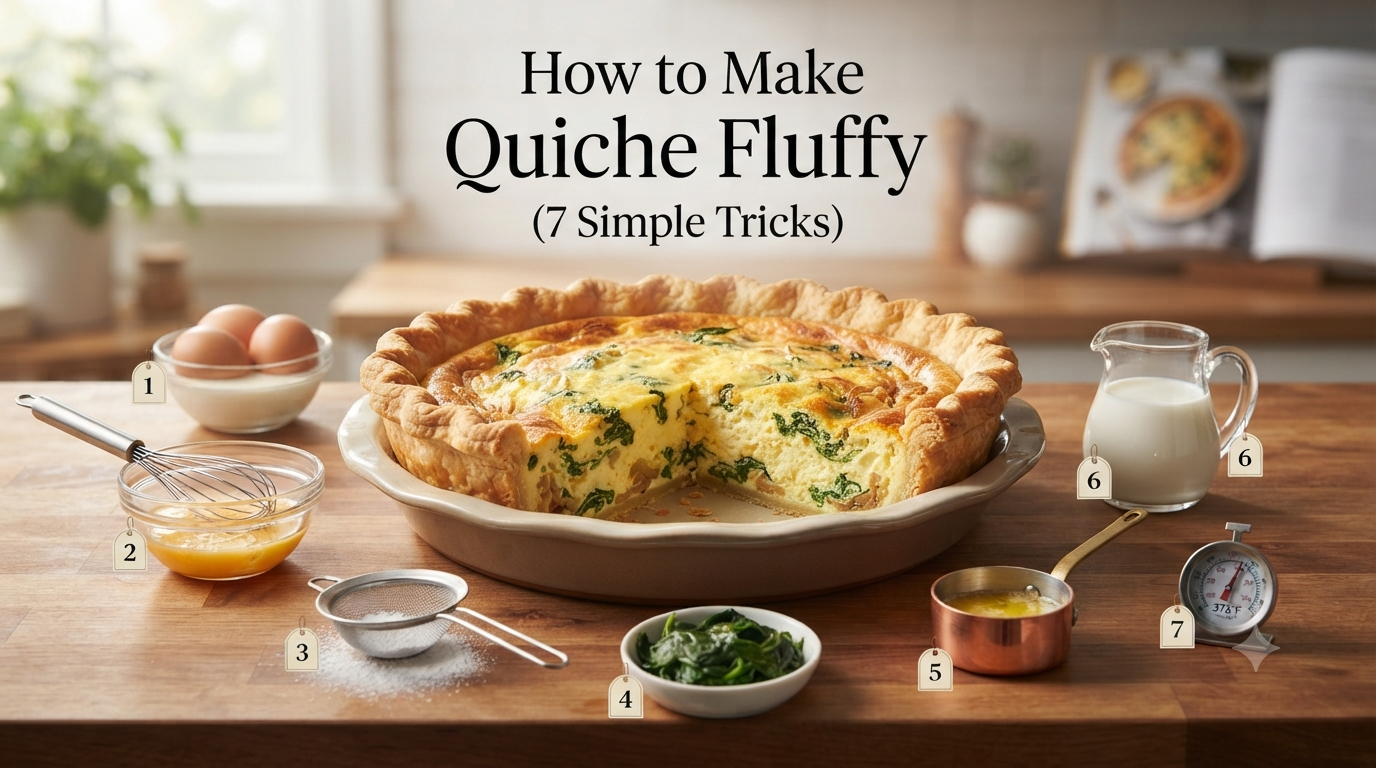
How to Make Quiche Fluffy (7 Simple Tricks)
Quiche is one of those dishes that looks fancy but is actually pretty simple to make at home. The challenge is getting that perfect combination: a light, fluffy filling paired with a crisp, sturdy crust.
Here are 7 tricks that get you there every time, plus the common mistakes that quietly ruin a good quiche.
A Fluffy Spinach Quiche Recipe
Ready to put these tricks into practice? Here’s a simple spinach quiche recipe built around everything above.
Ingredients:
| Ingredient | Amount |
|---|---|
| Heavy cream | 1/2 cup |
| Milk | 1/2 cup |
| Cheddar cheese | 1/2 cup |
| Large eggs | 4 |
| Spinach | 8 ounces |
| Chopped onion | 1 large |
| Baking powder | 1/4 teaspoon |
| Salt | 1/2 teaspoon |
| Blind-baked pie crust | 1 |
Instructions:
- Preheat the oven to 325°F.
- In a large bowl, separate the egg whites from the yolks. Whisk the whites until stiff peaks form.
- In a separate bowl, mix the cream, milk, egg yolks, baking powder, and salt together.
- Gently fold the whipped egg whites into the cream mixture.
- Layer the spinach, onion, and cheese into your blind-baked pie crust, then slowly pour the custard mixture on top.
- Cover the quiche with foil to hold in moisture, and bake for 30 minutes.
- Uncover it and bake for another 10 minutes, or until the top turns golden.
- Let the quiche rest for 10 to 15 minutes before slicing and serving.
7 Ways to Make Quiche Fluffy
1. Use Fewer Eggs
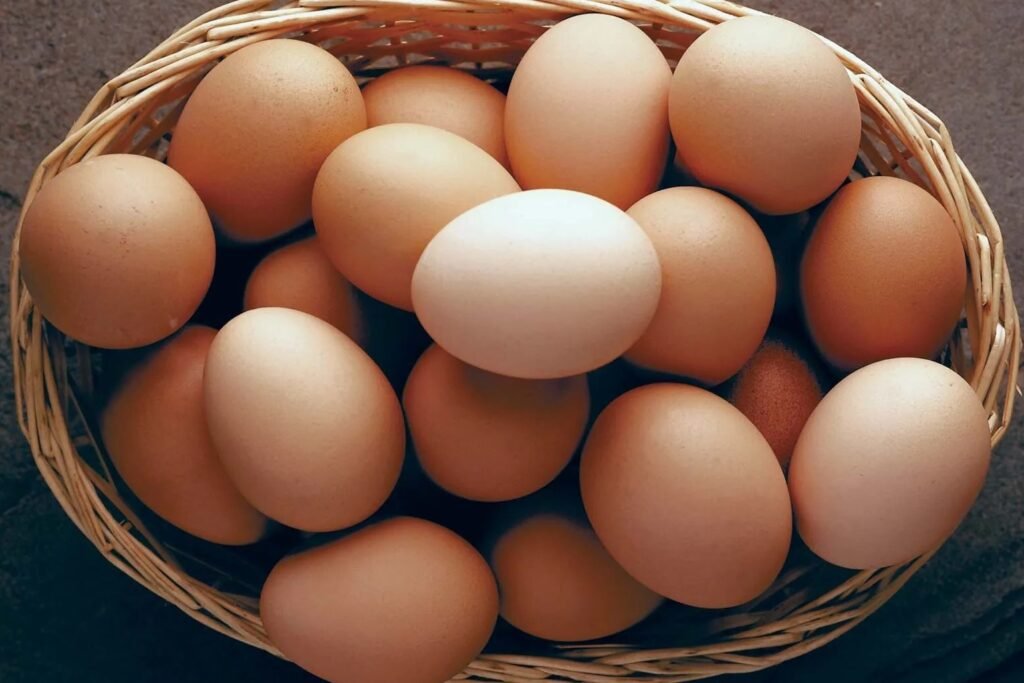
It’s easy to assume more eggs make a better quiche, but the opposite is usually true. Eggs are what give quiche its structure, not its flavor, and too many eggs can weigh the filling down into something dense instead of fluffy.
A few small tweaks help here:
- Cut back slightly on the number of eggs your recipe calls for.
- Use room-temperature eggs, since they blend more smoothly into the filling.
- Try separating the yolks from the whites, then whisking the whites on their own before folding them in.
2. Add More Cream
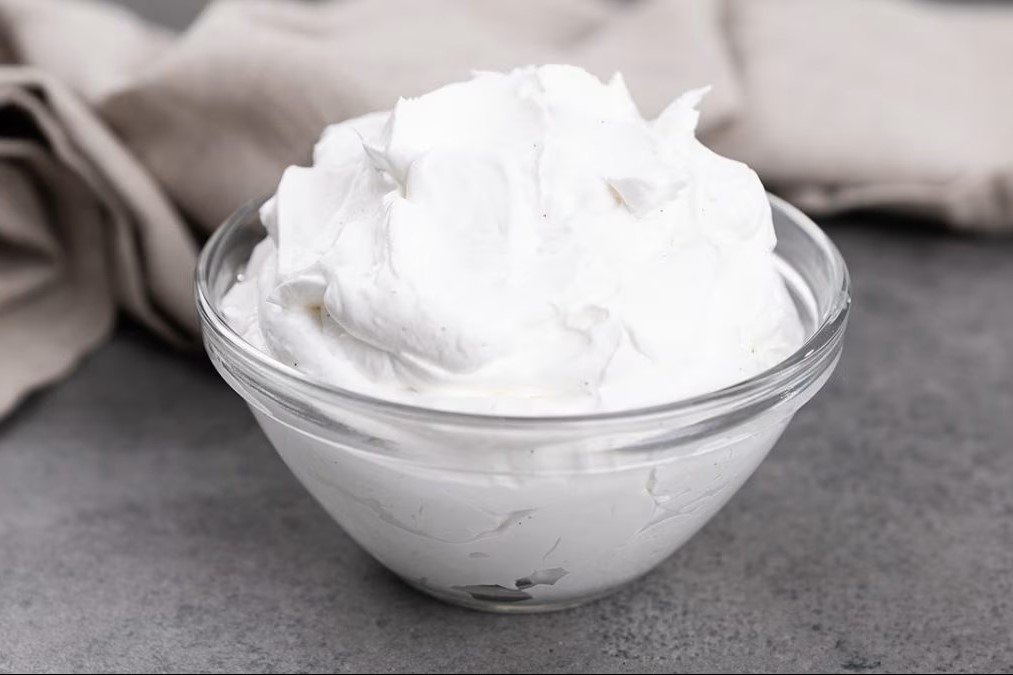
While eggs add structure, liquids like heavy cream and milk are what make a quiche filling soft and rich.
Cream adds extra moisture, which keeps the eggs from drying out as they bake. It also brings a bit of fat into the mix, which rounds out both the texture and the flavor.
You don’t need to overhaul your favorite recipe to see the benefit. Even a small splash of extra cream can make a noticeable difference, while still letting the quiche hold its shape.
3. Work Air Into the Batter
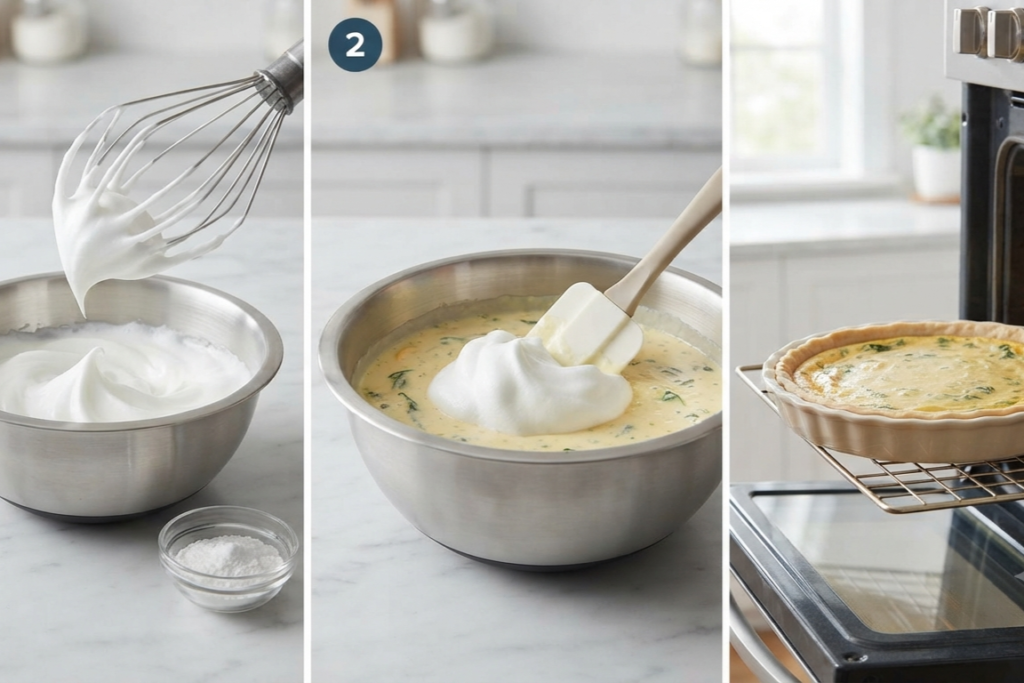
Air pockets are what give a quiche its light, fluffy texture as it bakes. Here’s how to get more of them into your filling:
- Whisk the egg whites thoroughly until they form stiff peaks.
- Fold the whipped whites into the rest of the filling gently, so you don’t knock the air back out.
- Bake the quiche right after mixing the filling, rather than letting it sit.
- Add about 1/2 teaspoon of baking powder to the batter.
4. Choose Lighter Ingredients

A quiche can only rise as well as its ingredients allow. Heavy add-ins like Parmesan cheese or raw, uncooked vegetables and meat weigh the filling down, no matter how airy your egg mixture is.
Heavier ingredients also tend to need more time in the oven, which can dry out and deflate the quiche before it’s fully baked.
Instead, reach for lighter options like sautéed vegetables, Gruyère cheese, and fully cooked meat. They add flavor without holding the filling back.
5. Preheat the Oven Properly
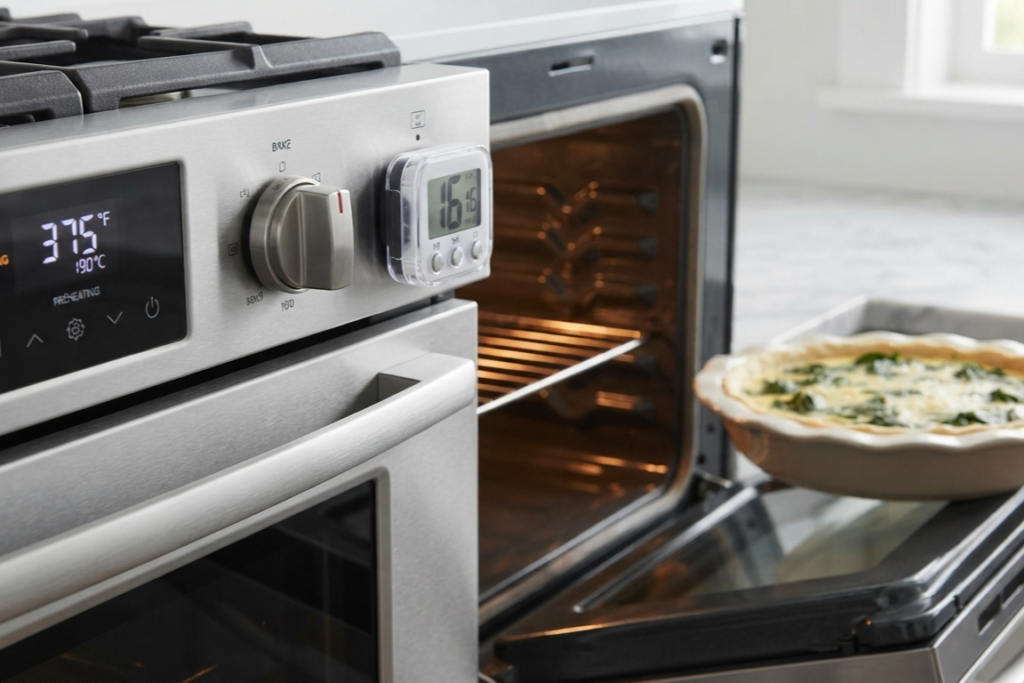
Oven temperature matters more than people expect. If the oven isn’t fully preheated, the filling starts setting too slowly, which leads to a drier, denser quiche.
Give your oven at least 20 minutes to preheat before the quiche goes in. This way, baking starts right away, locking in moisture and air instead of letting them slip away.
6. Blind Bake the Crust
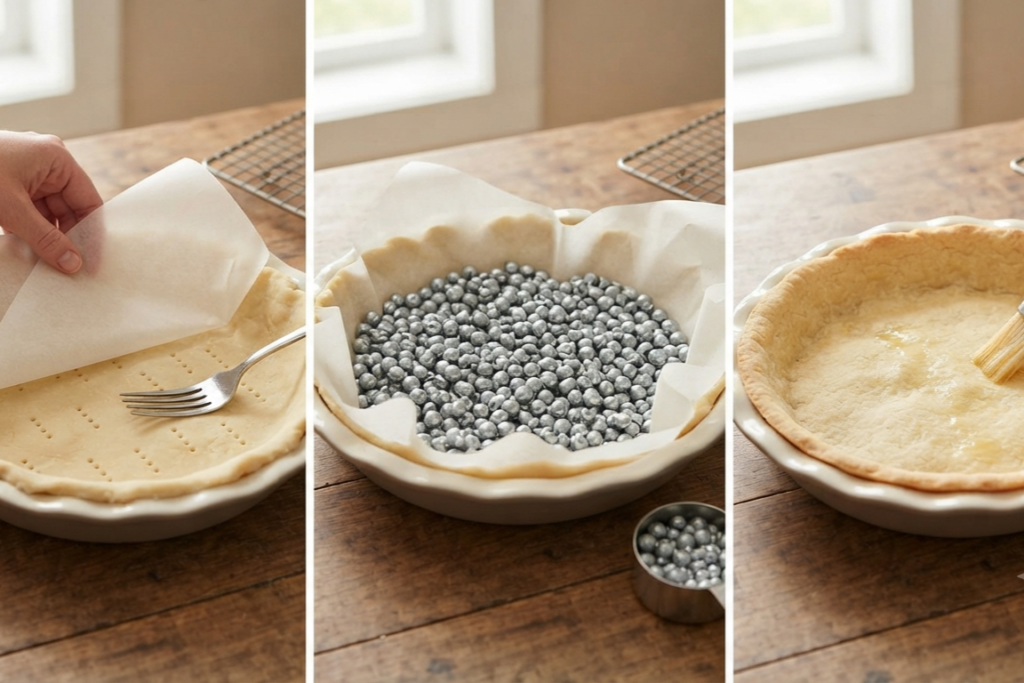
A fluffy filling doesn’t do much good sitting on a soggy crust. Blind baking (partially or fully baking the crust before adding the filling) solves this.
It sounds intimidating for beginners, but it comes down to a few simple steps:
- Line the crust with parchment paper and poke a few holes in the bottom with a fork.
- Fill it with pie weights or dried beans to help it hold its shape while baking.
- Brush the crust with egg wash or melted butter before adding your filling. This keeps it from drying out too much during the second bake.
7. Don’t Be Afraid to Experiment

Once you’ve got the basics down, quiche is a great dish to make your own. Try adjusting the ratio of eggs to cream, swapping in different cheeses or vegetables, or tweaking your baking time slightly. There’s plenty of room to find your own perfect version.
Common Mistakes That Ruin a Fluffy Quiche
Even with all the right tricks, a few small missteps can undo your work.
Overcooking
This is the most common cause of dry, sunken quiche. To avoid it, stick with pre-cooked fillings and a blind-baked crust, and bake at a low to moderate temperature until the custard is just barely set. Pull the quiche out a couple of minutes before you think it’s fully done. The residual heat will finish cooking the center without drying it out.
Using a Pie Pan Instead of a Quiche Pan
Pie pans and quiche pans might look similar, but pie pans are shallower. That shallow depth makes it harder for the custard to bake evenly and holds onto less moisture.
A springform pan, a deep-dish pie pan, or a dedicated quiche pan will all give you a more even, fluffy result.
Digging In Too Soon
Fresh out of the oven, quiche is tempting to cut into right away, but the texture isn’t fully set yet. The quiche keeps cooking for a few minutes after it leaves the oven from residual heat, and the steam rising off the top is actually moisture escaping.
Letting it rest for 10 to 15 minutes before slicing traps that moisture back into the custard, keeping the texture soft instead of letting it dry out.
Final Thoughts
A fluffy quiche really comes down to two things: moisture and air. Focus on preventing moisture loss and folding in as much air as you can, and the rest falls into place. If your quiche still isn’t turning out quite right, try pulling it out of the oven a couple of minutes earlier than the recipe suggests, then let it rest for 15 minutes before you dig in.