How to Handle Bread Dough That’s Too Sticky
Sticky bread dough trips up a lot of bakers, but here’s the good news: it’s usually not a sign that something went wrong with your recipe. In fact, wetter dough often bakes into better bread. The real challenge is just learning how to handle it without making a mess.
Here’s what causes overly sticky dough, and the best ways to work with it at every stage of baking.
What Makes Bread Dough Too Sticky?
A few different factors affect how sticky your dough turns out:
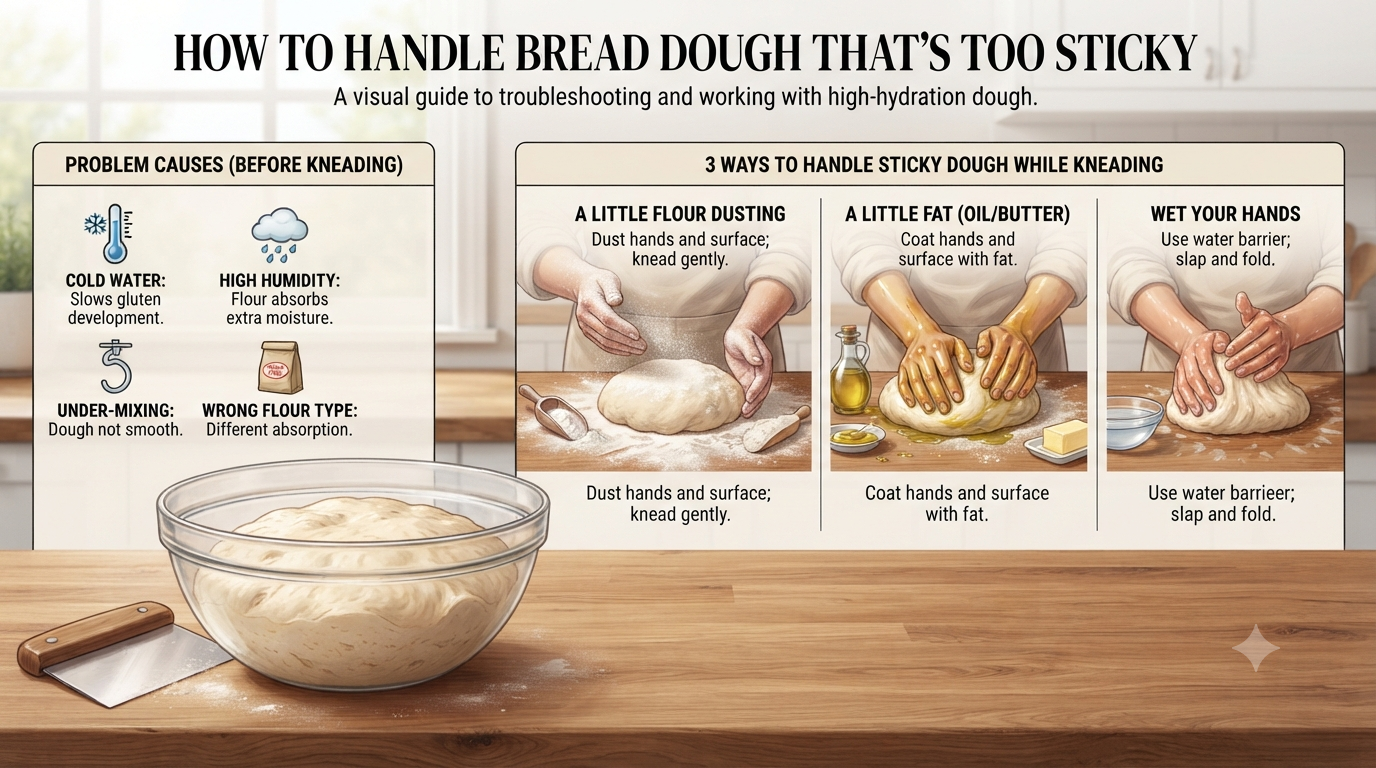
- Humidity. If you live somewhere humid, your flour may already be holding extra moisture before you even start mixing.
- Under-mixing. Dough needs to be mixed until it turns smooth and springy. Stop too early, and it stays sticky.
- Wrong flour type. Some flours absorb water differently than others. Using a different flour than your recipe calls for can throw off the texture.
- Cold water. Using cold water instead of warm can slow down gluten development, which leaves the dough stickier than it should be.
5 Ways to Handle Sticky Dough While Kneading
1. Hold Back on the Water
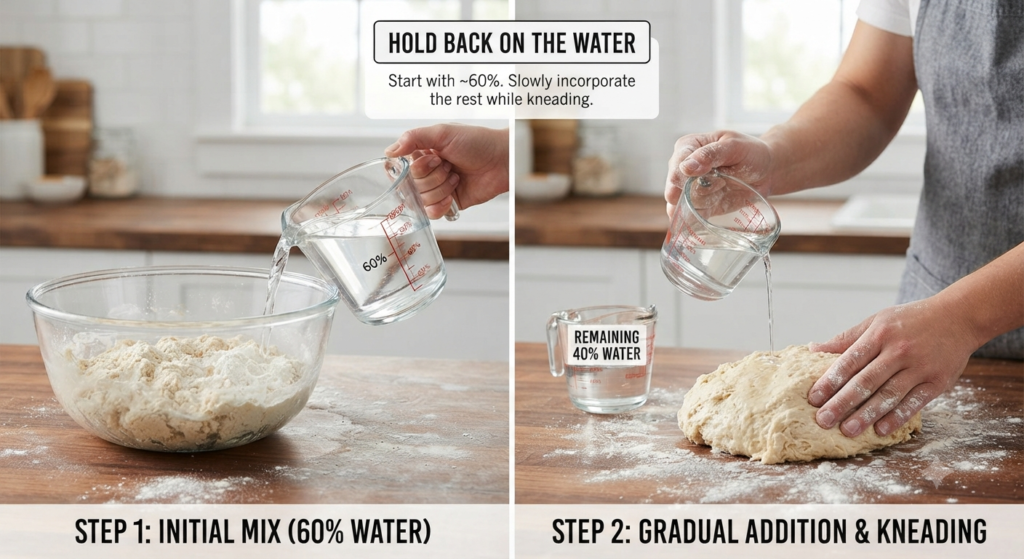
Instead of adding all the water your recipe calls for right away, start with about 60% of it. Slowly add the rest while kneading, until the dough reaches the texture you’re after. This gives you much more control over the final consistency.
2. Add a Little Flour
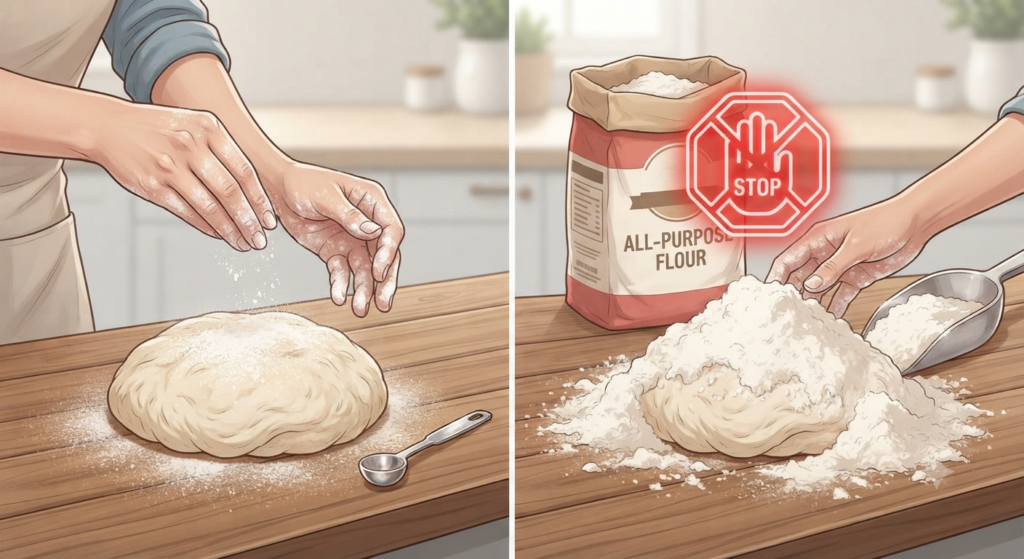
If the dough is too sticky to knead properly, a light dusting of flour can help. Coat your hands and work surface, then add flour a few teaspoons at a time.
Just don’t go overboard. Adding more than 1/4 cup of extra flour can leave your bread tough and dense instead of light.
3. Add a Little Fat
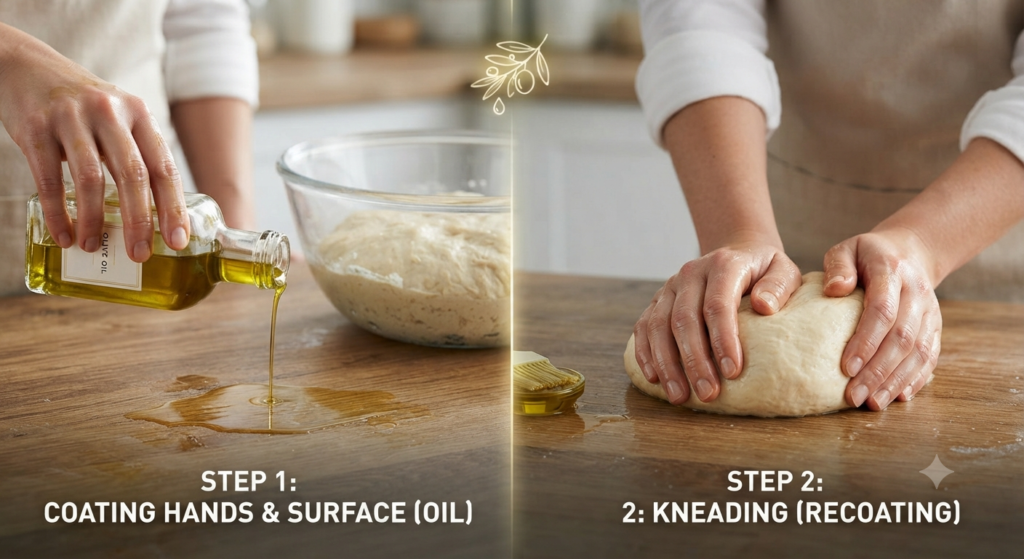
Olive oil or butter works just as well as flour for keeping dough from sticking, without drying it out. As a bonus, it can add a bit of extra flavor to your bread.
Coat your hands and work surface with a thin layer of oil, then knead as usual. Recoat as soon as you notice even a little stickiness returning.
4. Wet Your Hands Instead
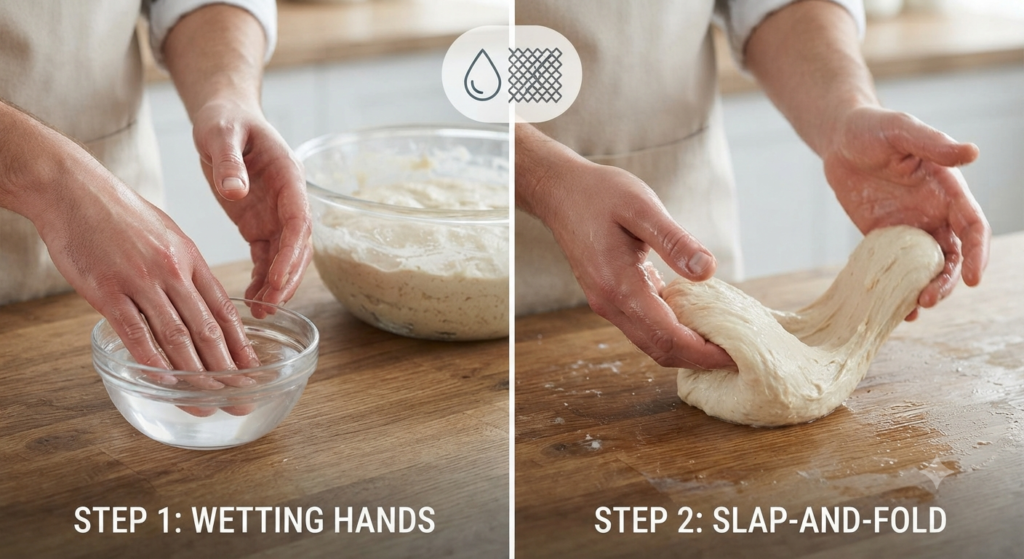
This one sounds backwards, but it works. Bread dough doesn’t easily absorb extra water, so wetting your hands creates a thin barrier that lets the dough slide right off instead of sticking.
This technique pairs well with the slap-and-fold method, where you briefly hold the dough and slap it against the work surface instead of kneading it in the traditional sense.
5. Use a Light, Quick Touch
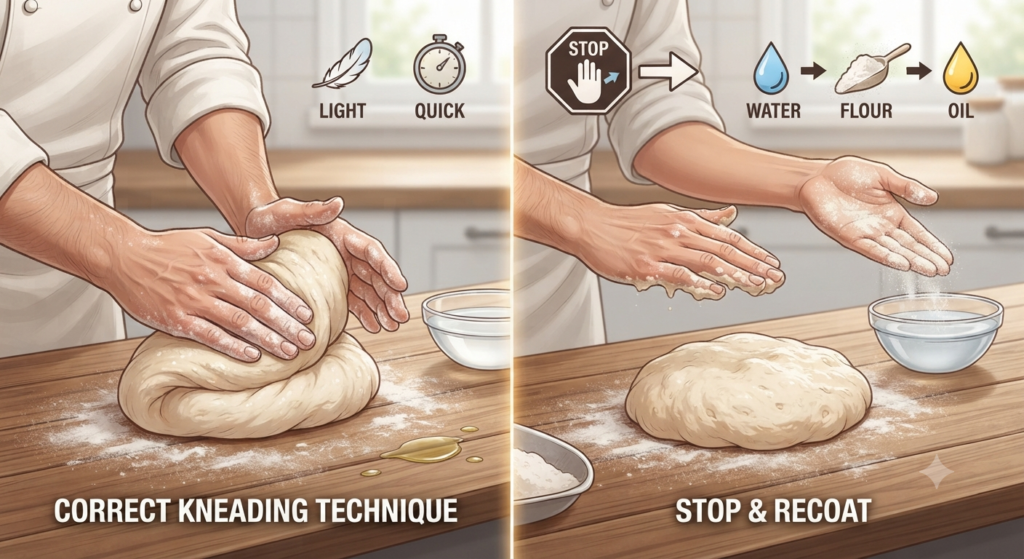
Sometimes the fix is simply adjusting your technique. Knead lightly and quickly, using the palms of your hands to press the dough against the surface, folding it into itself rather than letting it linger on your fingers.
The moment you feel stickiness building up, stop and recoat your hands with flour, water, or oil before continuing. The more you knead properly, the less sticky the dough becomes over time.
Handling Sticky Dough After the First Rise
Sometimes stickiness doesn’t show up until after the dough has already risen, especially if you used a stand mixer and didn’t catch it earlier. The good news is that this dough can still be saved.
Coat your fingertips and work surface with flour, then gently punch the dough down. Avoid kneading it at this stage. Kneading after the first rise knocks out too much air and can even cause the bread to collapse.
Instead, press and stretch the dough gently, adding flour a little at a time as needed, until it’s easier to handle. Then let it move on to its second rise as usual.
Handling Sticky Dough After the Second Rise
If your dough is still sticky after the second rise, resist the urge to knead or punch it down at this point. Instead, dust the dough and your hands with flour and shape it as best you can.
This won’t completely eliminate the stickiness, but it makes the outside more workable. At this stage, it’s better to move forward and bake it, even if a little dough sticks to your hands along the way.
Will Sticky Dough Still Bake Into Good Bread?
Yes. Sticky dough is simply dough with more moisture in it, and that moisture often bakes into a lighter, more tender loaf. Even if the dough gave you trouble while shaping, it can still turn out delicious.
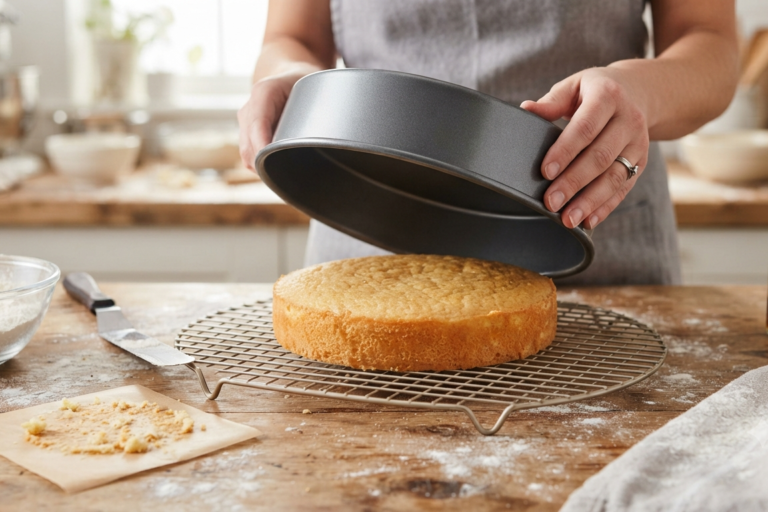
Using a loaf pan helps the dough hold its shape as it bakes. If you don’t have one on hand, a casserole dish or another oven-safe baking dish works as a substitute.
Final Thoughts
Sticky dough usually comes down to humidity, mixing time, flour type, or water temperature, and none of these mean your bread is ruined. Coating your hands with flour, water, or oil creates the barrier you need to keep working with the dough, and using a light touch while kneading makes a bigger difference than most people expect. Even if your dough stays a bit sticky right up until baking, don’t stress. Shape it as best you can and bake it anyway. You’ll likely end up with a wonderfully moist loaf either way.