
Can I Use Bread Flour for Cookies? Here’s What Happens
Most cookie recipes call for all-purpose flour. But what if that’s not what’s sitting in your pantry, and all you’ve got is bread flour instead?
Good news: you can absolutely use it. Your cookies just won’t turn out quite the same as usual. Here’s exactly what to expect, plus a few other flour swaps worth knowing about.
Yes, Bread Flour Works for Cookies
Bread flour bakes up into cookies that are noticeably chewier and a little denser than what you’d get with all-purpose flour. Some people actually prefer this. Chocolate chip cookies made with bread flour, in particular, tend to come out with a satisfying, extra-chewy bite that a lot of bakers love.
Whether you’ll enjoy the result comes down to personal taste. If chewy, dense cookies sound appealing, bread flour is worth trying. If you prefer a lighter, more delicate cookie, you may want to stick with all-purpose flour instead.
Why Bread Flour Makes Cookies So Chewy
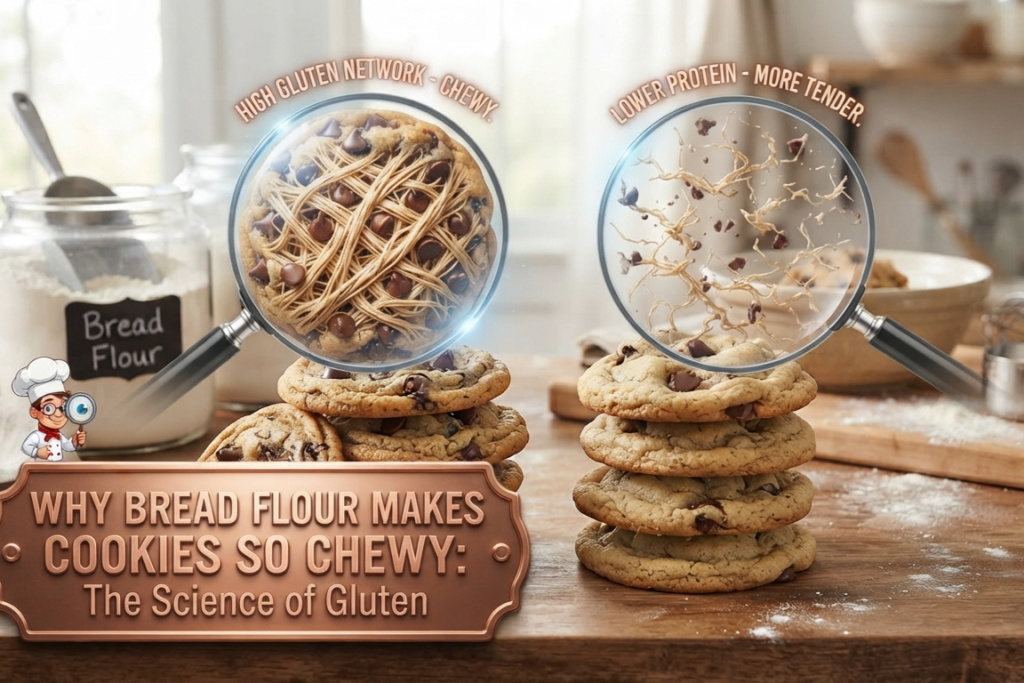
The answer comes down to protein. Bread flour has more protein than any other common baking flour, usually somewhere between 12% and 14%.
That extra protein interacts with the butter and eggs in your dough to build a stronger gluten network. In simple terms, more protein plus the moisture from butter and eggs equals a chewier, more substantial cookie.
If you love that extra-chewy texture, this is great news. If chewy cookies aren’t your thing, this is exactly the flour to avoid.
Can You Swap Bread Flour for All-Purpose Flour, Cup for Cup?
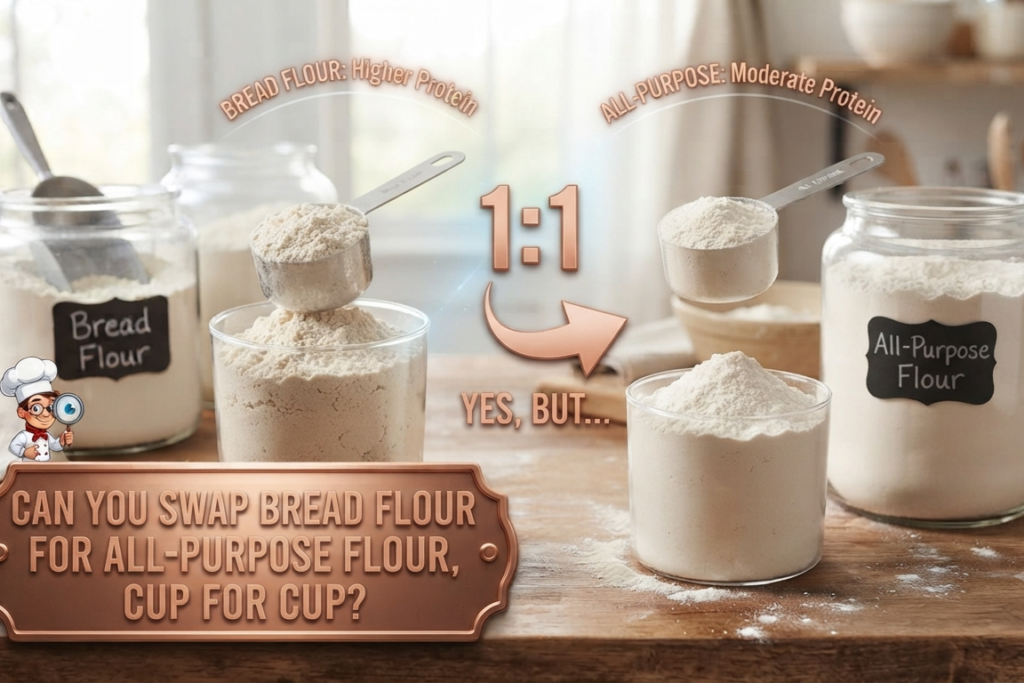
Yes. You don’t need to adjust the amount at all. Use the same quantity of bread flour that your recipe calls for in all-purpose flour, and follow the rest of the recipe as written.
Just keep in mind that bread flour tends to bake up slightly drier than all-purpose flour, since its higher protein content soaks up more moisture. In most cookie recipes, though, this isn’t something you need to worry about. There’s already plenty of moisture coming from the butter and eggs, which is exactly what creates that chewy texture in the first place.
Consider a Recipe Made Specifically for Bread Flour
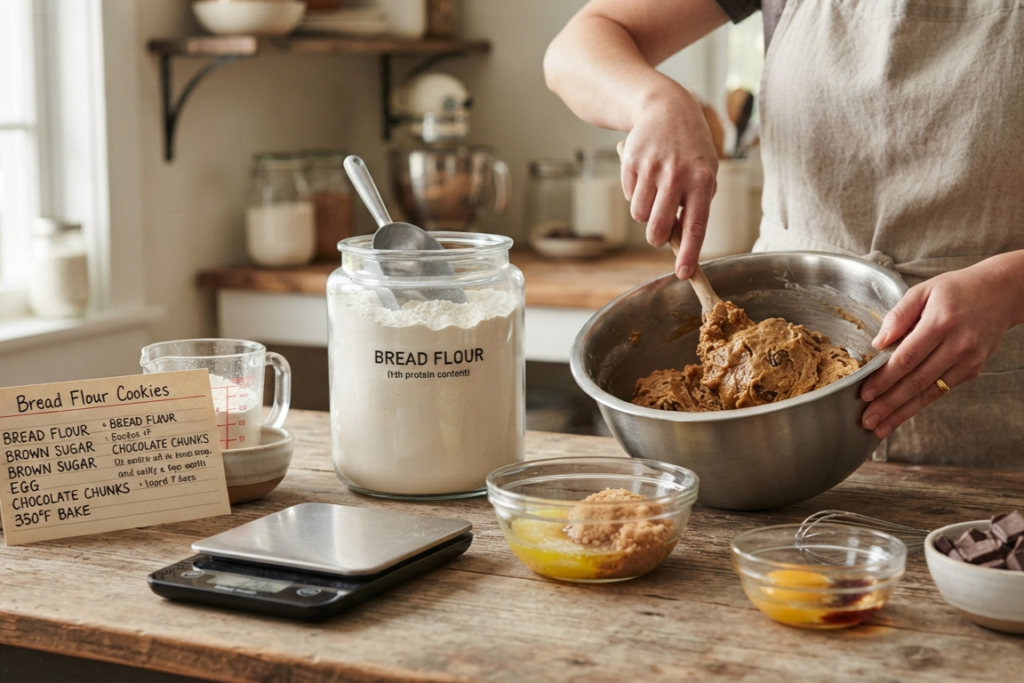
If bread flour is all you have on hand, you might get even better results from a recipe written specifically for it, rather than substituting it into a standard cookie recipe.
Recipes built around bread flour already account for the denser, chewier texture it produces, so the other ingredients are balanced to match. A quick search online will turn up plenty of bread flour cookie recipes worth trying if you want more predictable results.
Other Flour Substitutes for Cookies
Bread flour isn’t your only option if you’re out of all-purpose flour. Here’s how a few common alternatives compare.
| Flour Type | Protein Level | Substitution Ratio | What to Expect |
|---|---|---|---|
| Bread flour | High (12-14%) | 1:1 | Chewy, dense cookies |
| Spelt flour | Similar to all-purpose | 1:1 | Close to normal, may need extra moisture |
| Whole wheat flour | Very high | Best mixed half-and-half with all-purpose | Dry, dense cookies if used alone |
| Pastry flour | Low-moderate | 1:1 | Softer, more tender texture |
| Cake flour | Low | 1 cup + 2 tbsp per 1 cup all-purpose | Light, delicate texture |
Spelt Flour
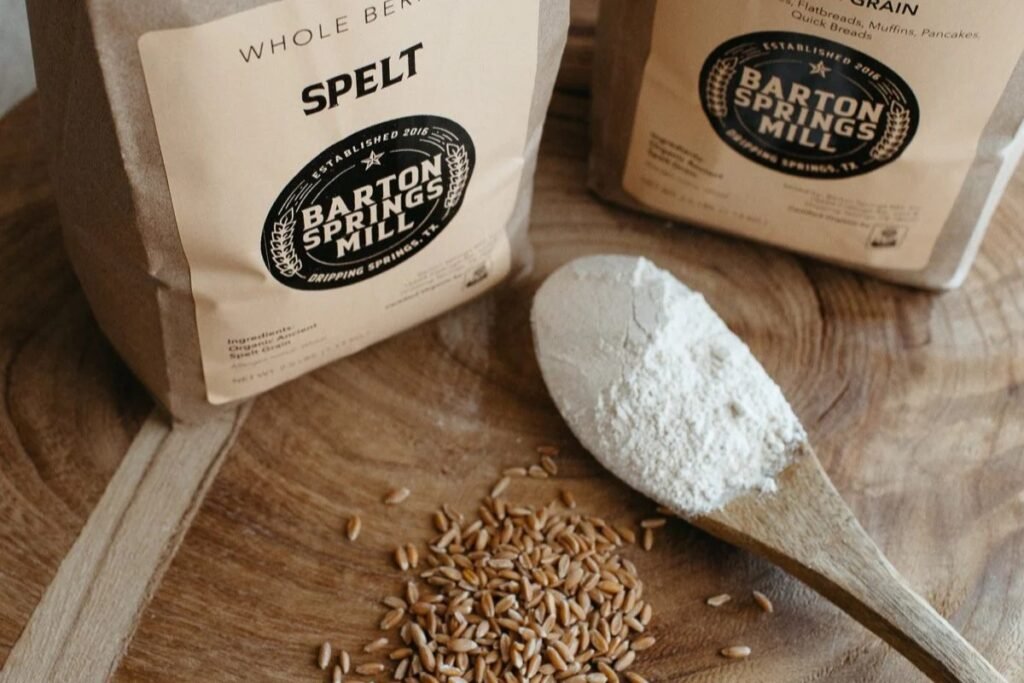
Spelt flour has a protein level close to all-purpose flour, so it performs fairly similarly. You can substitute it cup for cup, though the batter may turn out a bit drier than usual. As long as your recipe has enough butter and eggs, this usually isn’t a problem. There are also cookie recipes written specifically for spelt flour if you want the most reliable results.
Whole Wheat Flour
Whole wheat flour has even more protein than bread flour, which makes it a tougher substitute to work with. Using it entirely on its own tends to produce dry, dense cookies, even if you add extra moisture to compensate.
A better approach is mixing it half-and-half with all-purpose flour if you’re short on your usual flour. If whole wheat is all you have, it’s worth looking for a recipe built specifically around it.
Pastry Flour
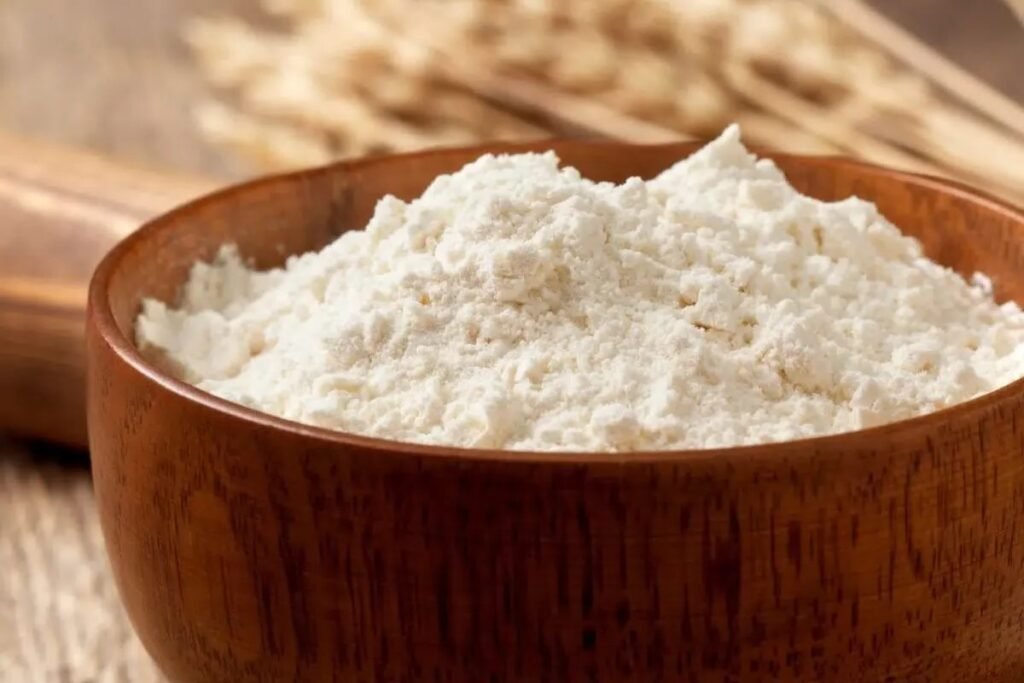
Pastry flour works fine as a substitute, though it’s better suited for cakes and pastries than most cookies. It creates a softer, more tender result, which may not suit every cookie recipe, but there are pastry flour cookie recipes out there that turn out well if you want to try it.
Cake Flour
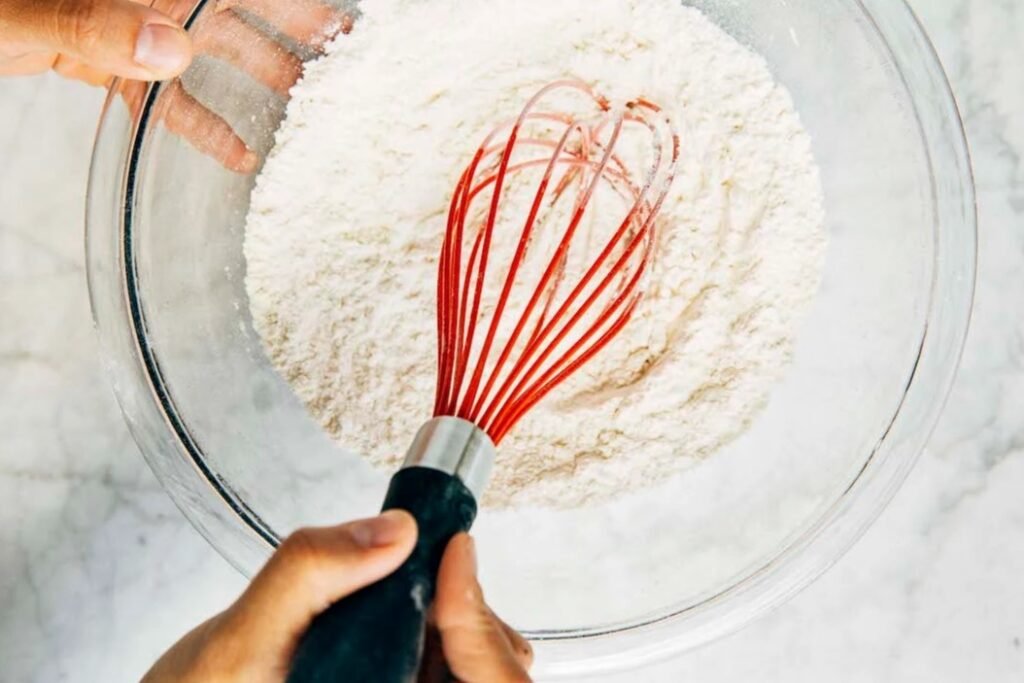
Cake flour has the lowest protein content of the bunch, making it best suited for cakes rather than cookies. If you want to substitute it in a cookie recipe, use slightly more than the recipe calls for: 1 cup plus 2 tablespoons of cake flour for every 1 cup of all-purpose flour. This helps make up for the lower protein content and gets you closer to the texture you’re used to.
Or Just Grab More All-Purpose Flour
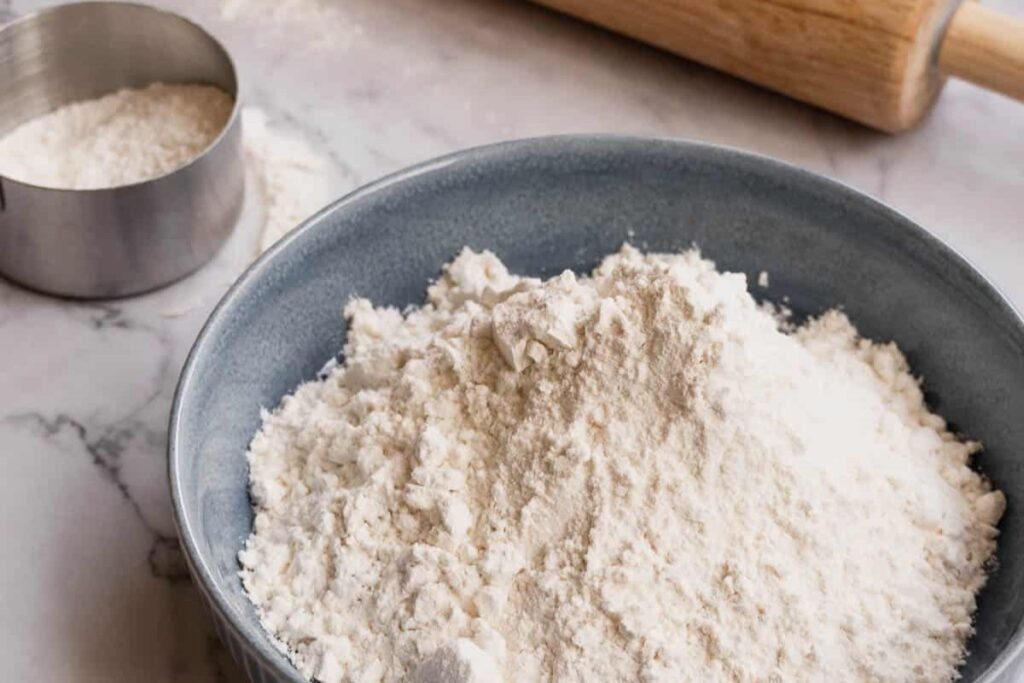
If you’d rather your cookies turn out exactly as expected, all-purpose flour is easy to find at nearly any grocery store. None of these substitutes are a problem in a pinch, but sticking with all-purpose flour is still the most reliable way to get consistent, familiar results.
Final Thoughts
Bread flour makes a perfectly good stand-in for all-purpose flour in cookies, just expect a chewier, denser bite than you’re used to. Whether that’s a win or a letdown depends entirely on your own taste. If you’re not sure, bake a small batch and see how you like it before committing your whole supply of bread flour to the recipe.