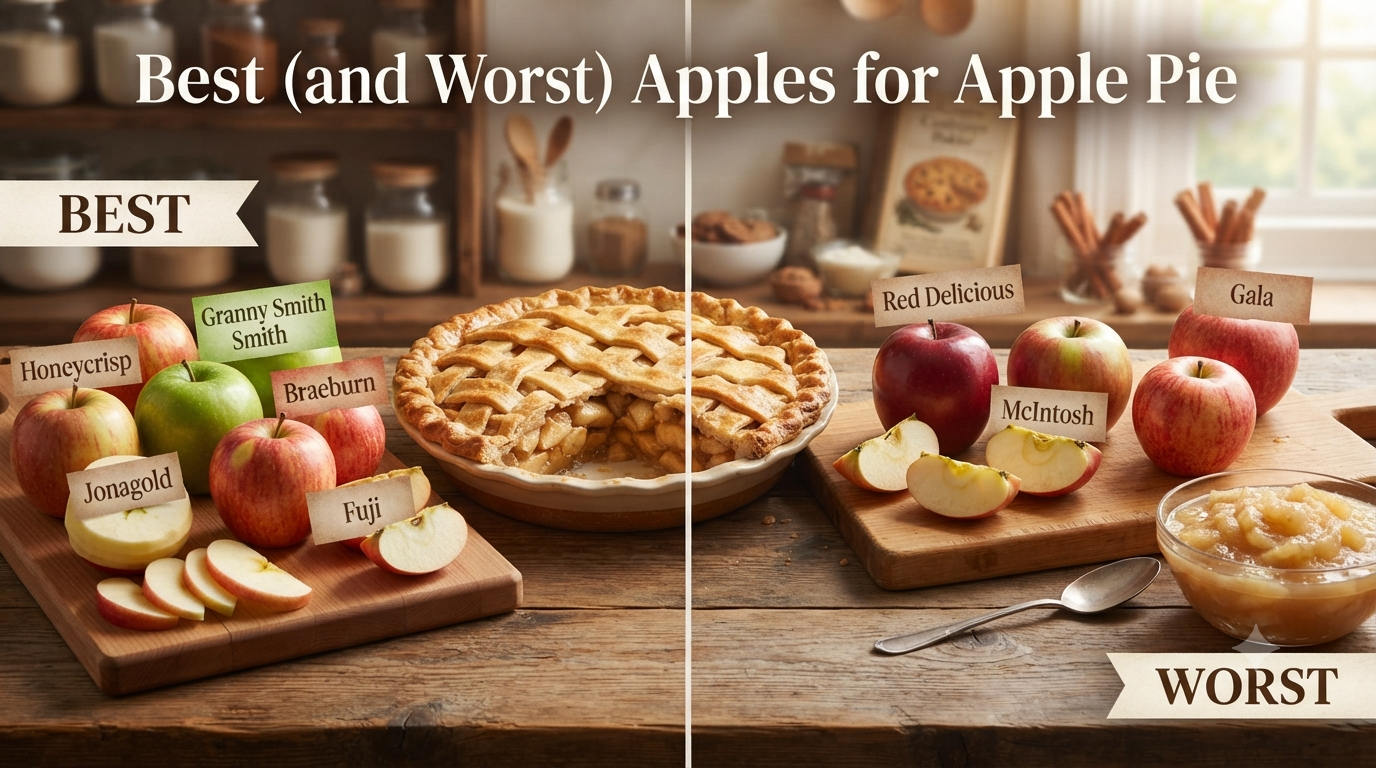
Best (and Worst) Apples for Apple Pie
There’s nothing like the smell of a fresh apple pie baking on a lazy Sunday. But before you get to that point, you have to pick your apples, and the produce aisle can make that harder than it sounds. Not every apple holds up well in the oven, and picking the wrong one can leave you with a mushy, overly sweet, or bland pie.
Here’s everything you need to know about choosing the right apples for pie, plus which ones to skip.
What to Look For When Picking Pie Apples
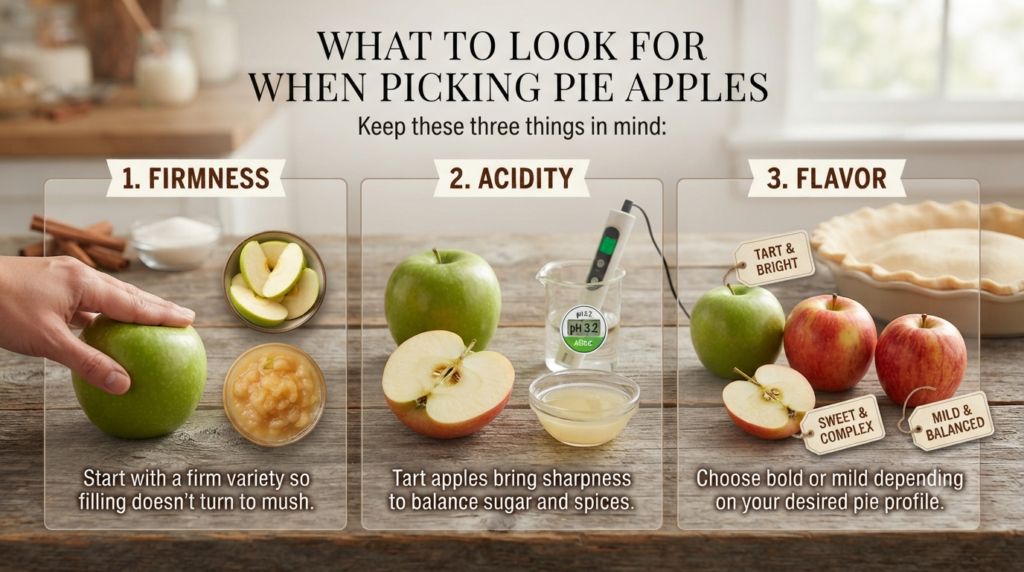
Before grabbing a bag of apples, keep these three things in mind:
- Firmness. Apples soften as they bake, so starting with a firm variety keeps your filling from turning into mush.
- Acidity. Tart apples bring a welcome sharpness that balances out the sugar and spices in your filling.
- Flavor. Some apples have a bold, complex taste, while others are milder. Either can work, depending on the pie you’re going for.
The Best Apples for Apple Pie
Here’s a quick side-by-side look at the top choices, followed by more detail on each one.
| Apple | Flavor | Texture | Best For |
|---|---|---|---|
| Honeycrisp | Sweet with a strong apple taste | Crisp, juicy | An easy, reliable go-to |
| McIntosh | Sweet with a hint of tartness | Firm, but softens if overbaked | Balanced sweet-tart pies |
| Gala | Mellow sweetness | Tough skin, holds shape | Year-round baking |
| Cortland | Mild | Firm, browns slowly | Beginner bakers |
| Pink Lady | Tangy, slightly bitter raw | Firm, caramelizes when baked | Tangy pie lovers |
| Granny Smith | Very tart, citrusy | Very firm | Bright, fresh-tasting pies |
| Rome | Faint apple flavor | Sturdy, easy to slice | Mixing with stronger-flavored apples |
| Jonagold | Tart up front, sweet finish | Balanced | Pies with more flavor depth |
| Northern Spy | Mild | Holds its shape very well | Bakers who don’t mind a less common find |
| Braeburn | Citrusy, warms with baking | Firm | Flaky, non-soggy crusts |
Honeycrisp
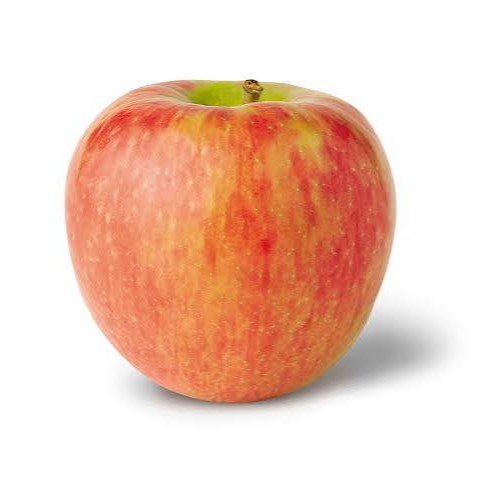
Honeycrisp is one of the most popular baking apples out there, and for good reason. It’s sweet with a strong apple flavor, plus a crisp, juicy texture that holds up well in the oven.
McIntosh
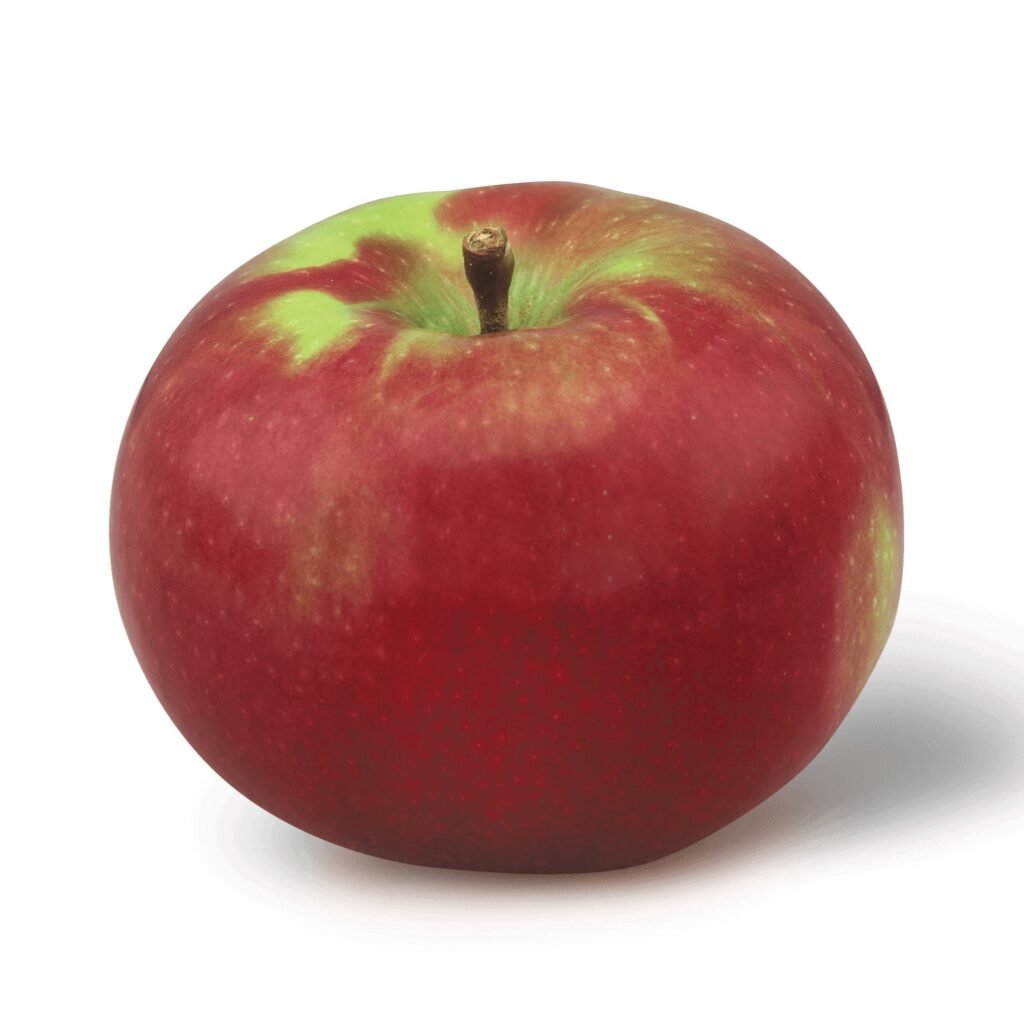
McIntosh apples bring sweetness with just enough tartness to balance a pie’s sugar and spice. They’re fairly firm, so they can handle time in the oven, but be careful: leave them in too long and they’ll break down into more of a paste.
Gala
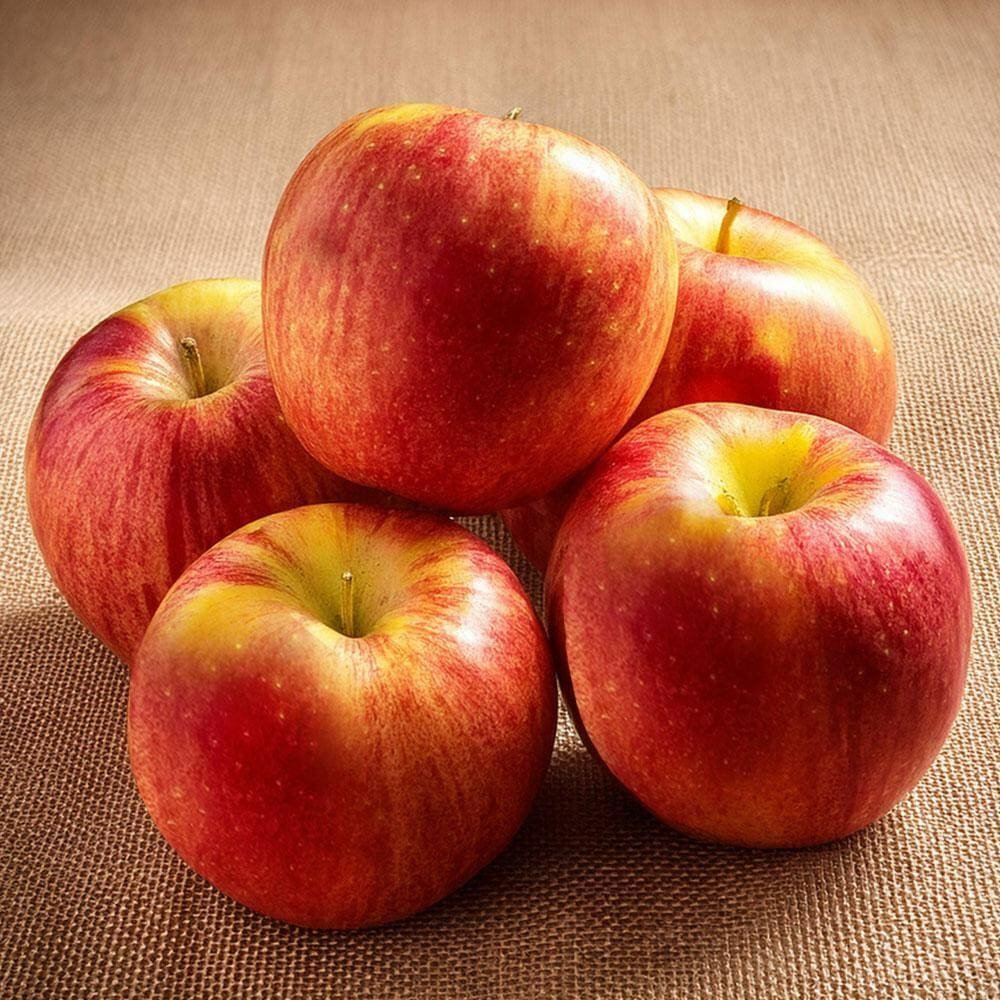
Gala sits somewhere between Honeycrisp and McIntosh, with tough skin and a mellow sweetness. One added bonus: Galas are available year-round, so you’re never stuck without a good pie apple.
Cortland
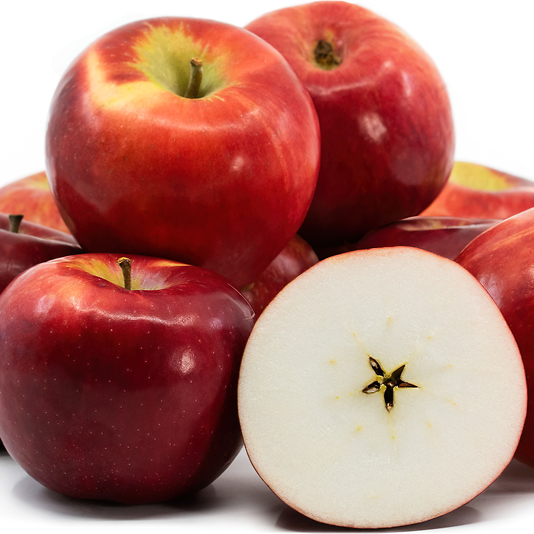
If you’re newer to baking, Cortland apples are forgiving to work with since they brown more slowly than most other varieties. That gives you extra time to work through your recipe without rushing. Their flavor is mild, which also means you can adjust sugar and spice to your own taste.
Pink Lady
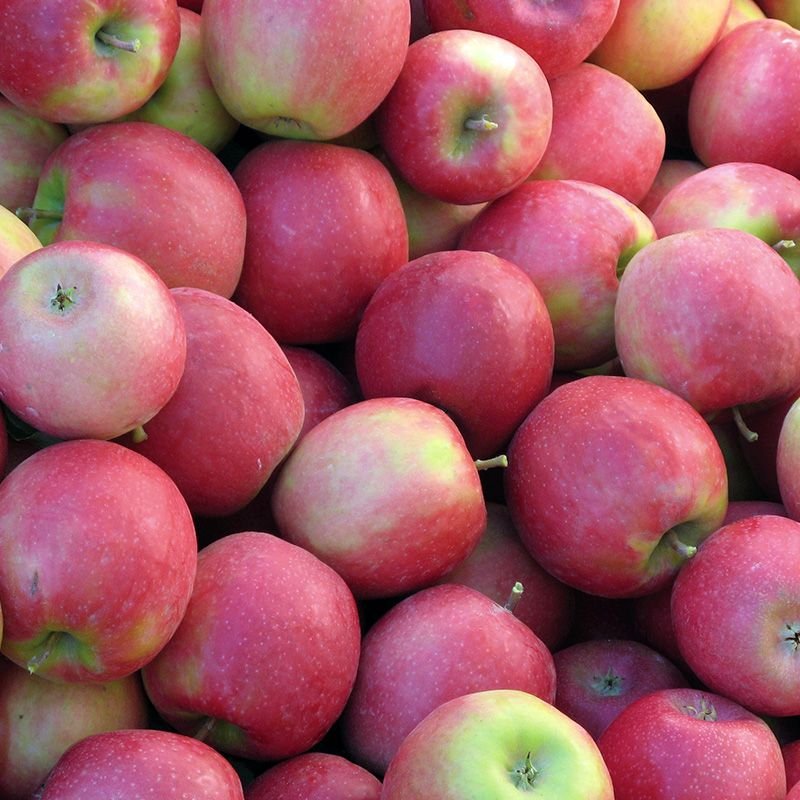
Pink Lady apples can taste a little bitter eaten raw, but that changes once they hit the oven. As they bake, they caramelize and much of that bitterness fades, leaving a tangy, layered flavor. They also have a distinctive rosy color that looks great in a finished pie.
Granny Smith
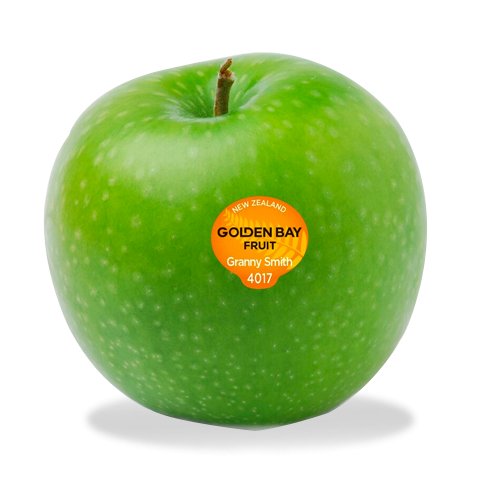
Granny Smith is about as tart as apples get, with a bright, almost citrusy aroma. That sharpness adds a refreshing contrast to a sweet, spiced filling. They’re also quite firm, so they hold up well through a long bake.
Rome
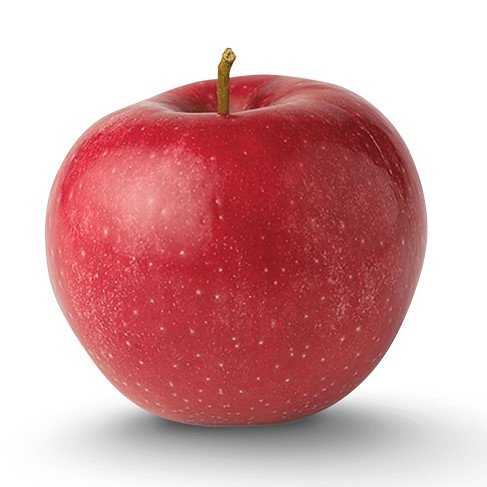
Rome apples are sturdy and simple to slice and core, which makes prep easier. Their flavor is fairly faint, though, so they’re often mixed with a more flavorful apple like Honeycrisp rather than used entirely on their own.
Jonagold
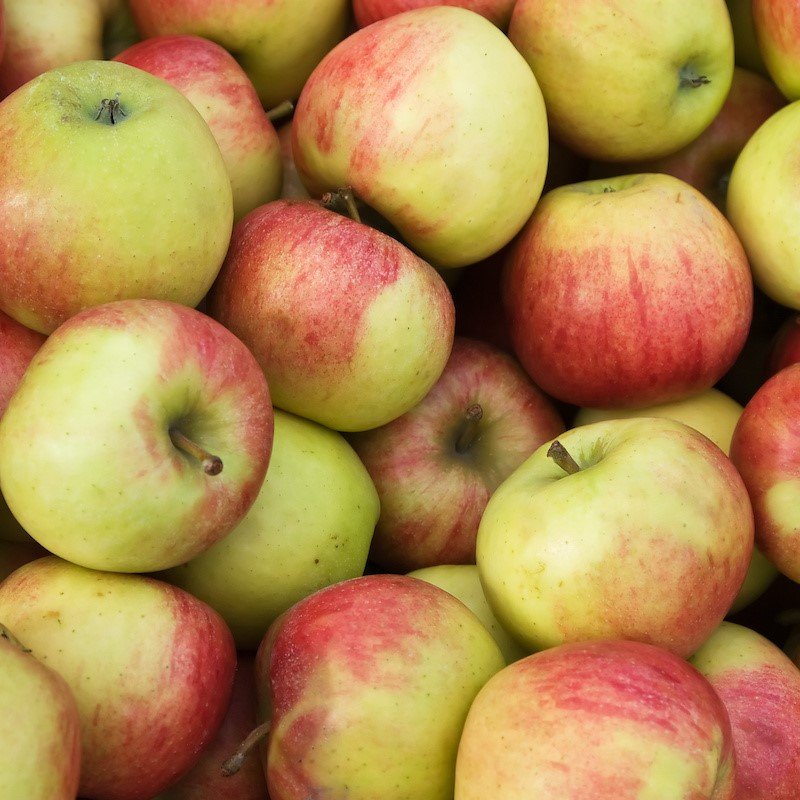
Jonagolds start out tart and mellow into a sweet finish, giving your pie more depth of flavor. The main downside is availability. You’ll likely need to check a farmer’s market rather than a regular grocery store to find them.
Northern Spy
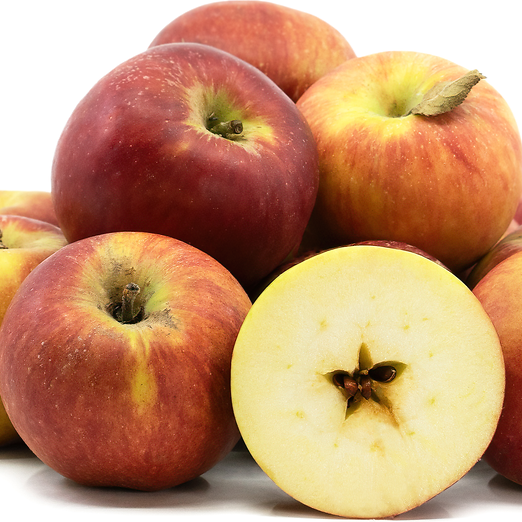
Don’t judge this one by its slightly bumpy, faded-red appearance. Northern Spy apples actually hold their shape better than most other varieties after baking, making them a great choice if you can track them down. Like Jonagold, they can be tricky to find outside of specialty markets.
Braeburn
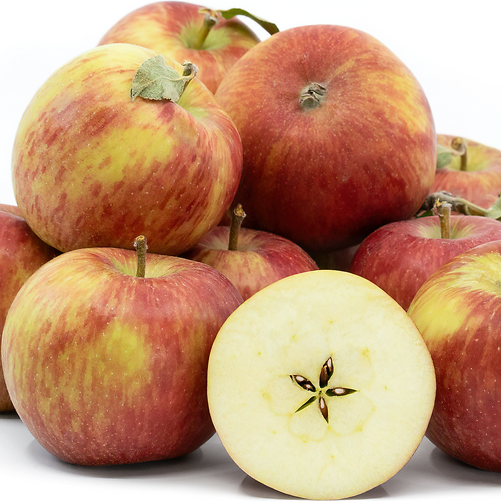
Braeburns are closely related to Granny Smith and share that same citrusy aroma. As they bake, the flavor concentrates and sweetens, creating a filling with a warm, almost spiced quality. Since they’re firm, they also help keep your crust flaky instead of soggy.
Apples to Avoid for Apple Pie
A couple of popular eating apples just don’t hold up well in a pie.
- Fuji. These break down quickly under heat, turning almost liquid within minutes. That runny filling can soak into your crust and make it soggy, and it may even burn before the crust finishes baking.
- Red Delicious. Like Fuji, Red Delicious apples can’t handle sustained heat well. On top of that, their flesh is very sweet, which can push your finished pie into overly sugary territory.
Can You Use Canned Apples Instead?
Yes, canned apples work as a substitute for fresh ones, though your recipe will need a few small adjustments:
- Cut the baking time. Canned apples are already softer than fresh ones, so they don’t need as long in the oven.
- Check the consistency. If the canned apples are runny, a little cornstarch can help thicken the filling.
- Watch the sugar. Most canned apples come pre-sweetened, so you may need to cut back on the added sugar in your recipe.
What Apples Work Best for Dutch Apple Pie?
Dutch apple pie is nearly identical to a classic American apple pie, with one main difference: instead of a top crust, it’s finished with a crumble topping.
Since the filling and baking process stay basically the same, the same apples that work for a regular apple pie also work well here, including:
- Honeycrisp
- Cortland
- Rome
- Granny Smith
How Many Apples Do You Need for a Pie?
This depends on the size of your pie, but as a general rule, a standard 9-inch pie dish needs about 10 medium-sized apples. That’s enough to fill the pie and leave a few extra slices for garnish on top.
It’s always smart to buy a few more than you think you’ll need. Running short partway through prep is a lot more annoying than having a couple of leftover apples.
Final Thoughts
Picking the right apple for pie comes down to texture, tartness, and flavor. Honeycrisp, Granny Smith, Pink Lady, and Rome are all easy to find and reliable choices. If you want to branch out, Jonagold and Northern Spy are worth the extra effort to track down. Just steer clear of Fuji and Red Delicious, since neither holds up well once the oven heat kicks in.