What Is Za’atar and How To Use It (With 11 Best Recipes)
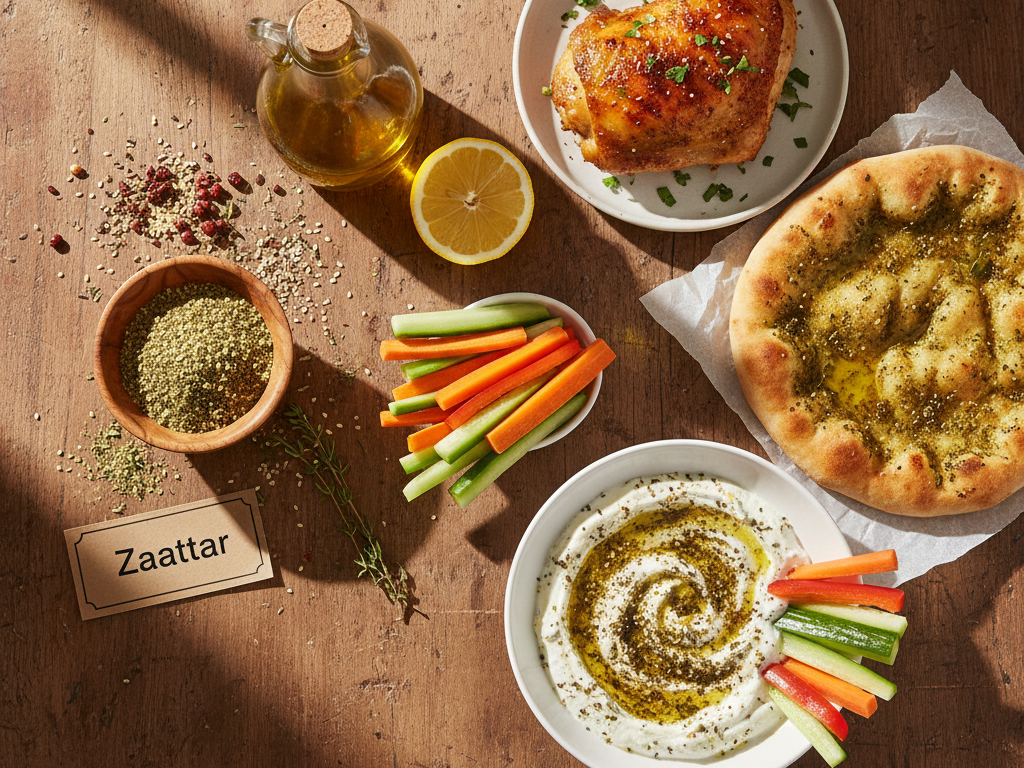
If I had to choose one seasoning blend I could not live without, it would be za’atar. This aromatic Middle Eastern blend of herbs, sesame seeds, and sumac can completely change your cooking. But not all za’atar is the same. Today, let us explore what za’atar really is, what makes good quality za’atar, and all the delicious ways you can use it.
Be sure to grab my list of 11 BEST za’atar recipes below. You will find amazing salads, the best roast chicken, breakfast ideas, and more!
What Is Za’atar?
I love sharing my favorite Mediterranean pantry ingredients. Today, I am sharing everything you need to know about one of my most-used seasonings: za’atar.
Za’atar (pronounced zah-tar) is most famous in Middle Eastern and Mediterranean cooking. It is a mix of herbs, sesame seeds, sumac, and salt. It is one of the world’s most unique and tasty seasonings. It has bold flavors, great texture, and even some health benefits. It can help soothe inflammation and may help boost brain health.
Many people do not know this, but the Arabic word “za’atar” also describes an actual herb in the wild thyme family. This herb starts its life looking more like oregano. Traditional za’atar blends will include this wild thyme.
What Is In Za’atar? Not All Za’atar Is Created Equal
We said za’atar is a mix of herbs, sesame seeds, and sumac (a tangy red spice from sumac berries). But how much sumac? Toasted or plain sesame seeds? What else is added?
There are no official rules for making za’atar. This is why you will find different versions in stores.
As someone from the Mediterranean who has tried many blends over the years, I can tell you: not all za’atar is the same. Taste, texture, and quality can vary a lot.
Sadly, many cheaper blends do not use quality herbs. To make more product and lower prices, they add fillers like wheat, flavored straw, or husk. Many also use citric acid instead of real sumac.
Quality All-Natural Za’atar Seasoning and Where To Find It
You can find za’atar in the spice section of health food stores or Mediterranean and Middle Eastern grocery stores. My best advice is to look at the label carefully and ask questions. Look for za’atar that contains quality wild thyme (or hyssop) and real sumac (not citric acid).
Make sure the ingredients are all-natural with nothing else added. Look at it carefully. It should have good texture and look more green than brown.
Let Me Tell You About The Blend I Use
The za’atar I use comes from trusted suppliers. It has only quality, all-natural ingredients and stays true to the traditional taste and texture. It is an aromatic blend with earthy and subtle citrus flavors, and just a hint of nuttiness. It includes:
- High-quality, fragrant wild thyme, which adds robust flavor along with oregano.
- Toasted sesame seeds (not plain white ones), which add a sweet, nutty flavor.
- A good amount of quality ground sumac from Mediterranean sumac berries, which adds a subtle lemony and earthy flavor. This balances the wild thyme and oregano perfectly.
- A small pinch of kosher salt to round everything out.
Remember, many lower-quality za’atar blends use citric acid instead of sumac and add fillers like wheat and flavored straw to make more product.
How To Use Za’atar: 11 Best Za’atar Recipes
I use za’atar regularly. It is great for simply seasoning avocados or tomatoes for a snack (add a little olive oil). You can generously season homemade bread rolls, add it to breakfast eggs or spinach pasta, or mix it with olive oil for dipping as part of a big Mediterranean spread.
I also use it to season salads, meats, and even fish. Here are 11 favorite recipes using za’atar:
Recipe 1: Za’atar Roasted Chicken
A whole chicken rubbed with za’atar, olive oil, and lemon, roasted until the skin is crispy and the meat is incredibly juicy.
Ready in: 1 hour 30 minutes
Serves: 4-6 people
What you need:
- 1 whole chicken (3-4 lbs)
- 3 tablespoons za’atar
- 1/4 cup olive oil
- Juice of 1 lemon
- 4 cloves garlic, minced
- 1 teaspoon salt
- 1/2 teaspoon black pepper
- 1 lemon, quartered
- 1 onion, quartered
How to make it:
- Preheat your oven to 425°F. Pat the chicken completely dry inside and out with paper towels.
- In a small bowl, mix the za’atar, olive oil, lemon juice, minced garlic, salt, and pepper to form a paste.
- Rub this paste all over the chicken, including under the skin on the breast.
- Place the quartered lemon and onion inside the chicken cavity. Tie the legs together with kitchen twine if desired.
- Place the chicken breast-side up in a roasting pan or baking dish.
- Roast for 20 minutes. Then, reduce the oven temperature to 375°F and continue roasting for 50-60 more minutes, until the internal temperature in the thickest part of the thigh reads 165°F and the juices run clear.
- Let the chicken rest for 15 minutes before carving. The skin will be fragrant and crispy.
Why everyone loves it: The za’atar creates an incredibly flavorful, aromatic crust. It is a simple way to make a roast chicken feel special and exotic.
Recipe 2: Za’atar Garlic Salmon and Veggies (Sheet Pan)
A complete, healthy dinner on one pan. Salmon and vegetables roasted with fragrant za’atar and garlic.
Ready in: 25 minutes
Serves: 4 people
What you need:
- 4 salmon fillets (about 6 oz each)
- 1 lb baby potatoes, halved
- 1 bunch asparagus, trimmed
- 1 lemon, sliced
- 4 cloves garlic, minced
- 2 tablespoons za’atar
- 3 tablespoons olive oil
- Salt and black pepper
- Fresh parsley for garnish
How to make it:
- Preheat oven to 425°F. On a large sheet pan, toss halved potatoes with 1 tablespoon olive oil, salt, and pepper. Roast for 10 minutes.
- Remove pan from oven. Push potatoes to one side. Add asparagus and lemon slices to the pan.
- Place salmon fillets on the pan. In a small bowl, mix minced garlic, za’atar, and remaining 2 tablespoons of olive oil. Brush this mixture over the salmon fillets and drizzle a little over the veggies.
- Return the sheet pan to the oven. Roast for another 12-15 minutes, until salmon is cooked through and veggies are tender.
- Garnish with fresh parsley and serve.
Why everyone loves it: One pan means minimal cleanup. The za’atar gives the salmon a uniquely Middle Eastern flavor that is earthy, tangy, and herby all at once.
Recipe 3: Manaqish (Za’atar Flatbread)
Soft, warm flatbread topped with a simple za’atar and olive oil paste. A classic Levantine breakfast or snack.
Ready in: 30 minutes (with pre-made dough)
Makes: 4 flatbreads
What you need:
- 1 lb pizza dough or homemade dough, divided into 4 balls
- 1/2 cup za’atar
- 1/2 cup extra virgin olive oil
- Optional: 1 tablespoon sumac for extra tang
How to make it:
- Preheat your oven to 475°F. If you have a pizza stone, place it in the oven to heat.
- On a lightly floured surface, roll each dough ball into a thin, round circle, about 1/8-inch thick.
- In a small bowl, mix the za’atar and olive oil to form a thick, spreadable paste.
- Place the rolled dough on a parchment-lined baking sheet (or directly on the hot pizza stone). Spread a generous layer of the za’atar paste over each round, leaving a small border.
- Bake for 8-10 minutes, until the bread is puffed and the edges are golden.
- Serve warm, torn into pieces. Optional: sprinkle with extra sumac before serving.
Why everyone loves it: It is the most authentic way to enjoy za’atar. The warm, soft bread with the fragrant, oily topping is irresistible and perfect for sharing.
Recipe 4: Za’atar Roasted Sweet Potato Fries
Crispy baked sweet potato fries tossed in za’atar and olive oil. A healthy, flavorful side dish.
Ready in: 35 minutes
Serves: 4 people
What you need:
- 2 large sweet potatoes, peeled and cut into fry shapes
- 3 tablespoons olive oil
- 2 tablespoons za’atar
- 1 teaspoon salt
- Optional: 2 tablespoons chopped fresh parsley for garnish
How to make it:
- Preheat oven to 425°F. Line a large baking sheet with parchment paper.
- In a large bowl, toss the sweet potato fries with olive oil, za’atar, and salt until evenly coated.
- Spread the fries in a single layer on the baking sheet. Do not overcrowd.
- Roast for 25-30 minutes, flipping halfway through, until the fries are tender inside and crispy on the edges.
- Garnish with fresh parsley if using. Serve immediately.
Why everyone loves it: It is a healthy alternative to regular fries with infinitely more flavor. The za’atar adds a savory, herbal note that pairs perfectly with the sweet potatoes.
Recipe 5: Za’atar Chickpea Salad with Fried Eggplant
A hearty, vegetarian main salad with crispy eggplant and a flavorful za’atar dressing.
Ready in: 35 minutes
Serves: 4 as a main
What you need:
- 1 large eggplant, cubed
- 3 tbsp olive oil, divided
- 2 tbsp za’atar, divided
- 2 cans (15 oz each) chickpeas, rinsed
- 1 pint cherry tomatoes, halved
- 1 cucumber, diced
- 1/4 red onion, sliced
- 1/2 cup fresh parsley, chopped
- For the dressing: 3 tbsp lemon juice, 2 tbsp olive oil, 1 garlic clove (minced), salt and pepper.
How to make it:
- Toss eggplant cubes with 2 tbsp oil and 1 tbsp za’atar. Roast at 425°F for 20-25 mins until golden.
- In a large bowl, combine chickpeas, tomatoes, cucumber, onion, and parsley.
- Add the roasted eggplant once slightly cooled.
- Whisk dressing ingredients with the remaining 1 tbsp of za’atar. Toss with the salad. Serve at room temperature.
Why everyone loves it: The crispy, spiced eggplant takes a simple chickpea salad to a whole new level. It is filling, full of texture, and packed with plant-based protein.
Recipe 6: Mediterranean Avocado Toast with Za’atar
The ultimate upgraded avocado toast. Creamy avocado on crunchy toast, topped with a sprinkle of za’atar and lemon.
Ready in: 10 minutes
Serves: 2 people
What you need:
- 2 slices of hearty whole-grain or sourdough bread
- 1 ripe avocado
- 1 tablespoon lemon juice
- 1 teaspoon za’atar
- Pinch of flaky sea salt
- Drizzle of extra virgin olive oil
- Optional toppings: cherry tomatoes, radish slices, microgreens
How to make it:
- Toast your bread until golden and crisp.
- While the bread toasts, mash the avocado in a small bowl with the lemon juice.
- Spread the mashed avocado thickly on the warm toast.
- Sprinkle generously with za’atar and a pinch of flaky salt.
- Drizzle with a little olive oil and add any optional toppings. Serve immediately.
Why everyone loves it: It turns basic avocado toast into something extraordinary with zero extra effort. The za’atar adds a complex flavor that makes it feel gourmet.
Recipe 7: Pita Breakfast Pizza with Za’atar
A quick, fun, and savory breakfast using pita bread as a personal pizza crust.
Ready in: 15 minutes
Serves: 2 people
What you need:
- 2 pita bread rounds
- 2 tablespoons za’atar
- 3 tablespoons olive oil, divided
- 4 large eggs
- 1/2 cup crumbled feta cheese
- 1 cup fresh baby spinach
- Salt and pepper to taste
How to make it:
- Preheat your oven’s broiler on high. Place pita rounds on a baking sheet.
- In a small bowl, mix za’atar with 2 tablespoons of olive oil. Spread this mixture evenly over each pita.
- Sprinkle the pitas with crumbled feta and baby spinach.
- Carefully crack two eggs onto each pita pizza, keeping the yolks intact.
- Drizzle the remaining 1 tablespoon of olive oil over the eggs. Season with salt and pepper.
- Broil for 4-6 minutes, until the egg whites are set, the yolks are still runny, and the pita edges are crispy. Watch closely!
- Slice and serve immediately.
Why everyone loves it: It is a creative, delicious, and fast breakfast or brunch. The za’atar-infused oil soaks into the pita, making it incredibly flavorful.
Recipe 8: Za’atar and Sumac Grilled Eggplant Salad
Smoky grilled eggplant slices tossed in a tangy za’atar and sumac dressing. A perfect side dish for grilled meats.
Ready in: 25 minutes
Serves: 4 people
What you need:
- 2 large eggplants, sliced into 1/2-inch rounds
- 1/4 cup olive oil
- 2 tablespoons za’atar
- 1 tablespoon sumac
- 2 tablespoons lemon juice
- 2 cloves garlic, minced
- 1/4 cup fresh mint, chopped
- Salt to taste
How to make it:
- Preheat a grill or grill pan to medium-high heat.
- Brush both sides of the eggplant slices with olive oil and sprinkle with salt.
- Grill for 4-5 minutes per side, until tender with nice grill marks.
- Arrange the grilled eggplant on a platter.
- In a small bowl, whisk together the remaining olive oil, za’atar, sumac, lemon juice, and garlic. Pour this dressing over the warm eggplant.
- Garnish with fresh mint. Serve warm or at room temperature.
Why everyone loves it: Grilling brings out the eggplant’s natural sweetness. The double hit of za’atar and sumac in the dressing is tangy, earthy, and bright.
Recipe 9: Za’atar Roasted Mixed Nuts
Warm, spiced nuts perfect for snacking or as part of a mezze platter. Great for gifts too!
Ready in: 20 minutes
Makes: 2 cups
What you need:
- 2 cups mixed raw nuts (almonds, walnuts, cashews, pistachios)
- 1 tablespoon olive oil or melted butter
- 1 tablespoon za’atar
- 1/2 teaspoon salt
- 1 tablespoon honey or maple syrup (optional for a sweet-savory mix)
How to make it:
- Preheat oven to 325°F.
- In a bowl, toss the nuts with olive oil, za’atar, and salt until evenly coated. Add honey if using.
- Spread the nuts in a single layer on a parchment-lined baking sheet.
- Roast for 12-15 minutes, stirring once halfway, until fragrant and lightly golden.
- Let cool completely on the baking sheet. They will crisp up as they cool.
- Store in an airtight container.
Why everyone loves it: It is an addictive, healthy snack. The za’atar makes them savory and aromatic, a world away from plain salted nuts.
Recipe 10: Za’atar Labneh Dip
A thick, creamy yogurt cheese dip swirled with olive oil and za’atar. Serve with vegetables and pita for dipping.
Ready in: 5 minutes (plus straining time)
Serves: 6 people
What you need:
- 2 cups full-fat Greek yogurt or labneh
- 1/4 cup extra virgin olive oil
- 2 tablespoons za’atar
- Salt to taste
- For serving: pita bread, cucumber slices, bell pepper strips
How to make it:
- If using Greek yogurt, make labneh: Line a strainer with cheesecloth and place over a bowl. Add yogurt, cover, and refrigerate for 12-24 hours to drain and thicken.
- Spread the labneh or thick Greek yogurt in a shallow serving bowl.
- Use the back of a spoon to create swirls and wells in the surface.
- Drizzle the olive oil all over. Then, sprinkle the za’atar generously on top.
- Season with a tiny pinch of salt. Serve with pita and vegetables for dipping.
Why everyone loves it: Labneh is cool, tangy, and rich. The za’atar and olive oil topping is the perfect flavor pairing. It is an elegant yet simple appetizer.
Recipe 11: Za’atar Butter Corn on the Cob
Sweet summer corn slathered in za’atar-infused butter. A simple side with a big flavor twist.
Ready in: 15 minutes
Serves: 4 people
What you need:
- 4 ears of corn, husks removed
- 4 tablespoons unsalted butter, softened
- 1 tablespoon za’atar
- 1/2 teaspoon salt
- Lime wedges for serving
How to make it:
- Bring a large pot of salted water to a boil. Add the corn and cook for 5-7 minutes until tender. Alternatively, you can grill the corn.
- While the corn cooks, mix the softened butter, za’atar, and salt in a small bowl until well combined.
- Drain the corn and place on a serving plate.
- Slather each hot ear of corn generously with the za’atar butter.
- Serve immediately with lime wedges on the side for squeezing.
Why everyone loves it: It takes a classic summer side and makes it unforgettable. The nutty, herbal butter melts into the sweet corn perfectly.
Conclusion
Za’atar is more than just a spice blend; it is a passport to vibrant, healthy, and incredibly flavorful Mediterranean and Middle Eastern cooking. Start by trying it in simple ways—sprinkled on avocado, mixed with olive oil for bread dipping, or tossed with roasted vegetables.
Then, explore these 11 recipes to discover how versatile it truly is. From breakfast to dinner, appetizers to main courses, za’atar can elevate any dish. Once you start using it, you will understand why it is the one seasoning I simply cannot live without.