20 Weight Loss Eating Tips You Need To Know
Losing weight can feel hard. There is so much advice out there. Some of it is good. Some of it is not. The truth is, small changes add up over time. You do not need to go on a crazy diet. You just need to eat a little bit better, most of the time.
These 20 weight loss eating tips are simple and practical. You can start using them today. They are not a quick fix. They are healthy habits that will help you lose weight and keep it off. Let us get started.
1. Eat More Protein at Every Meal
Protein is the most important nutrient for weight loss. It helps you feel full. It reduces cravings. It also boosts your metabolism. Your body burns more calories digesting protein than it does digesting carbs or fat.
How to do it: Add eggs, Greek yogurt, chicken, fish, beans, or tofu to every meal. Aim for at least 20 to 30 grams of protein per meal.
2. Start Your Day with a High-Protein Breakfast
Breakfast sets the tone for the whole day. If you eat a sugary breakfast, you will be hungry again soon. If you eat a protein-rich breakfast, you will feel full and energized for hours.
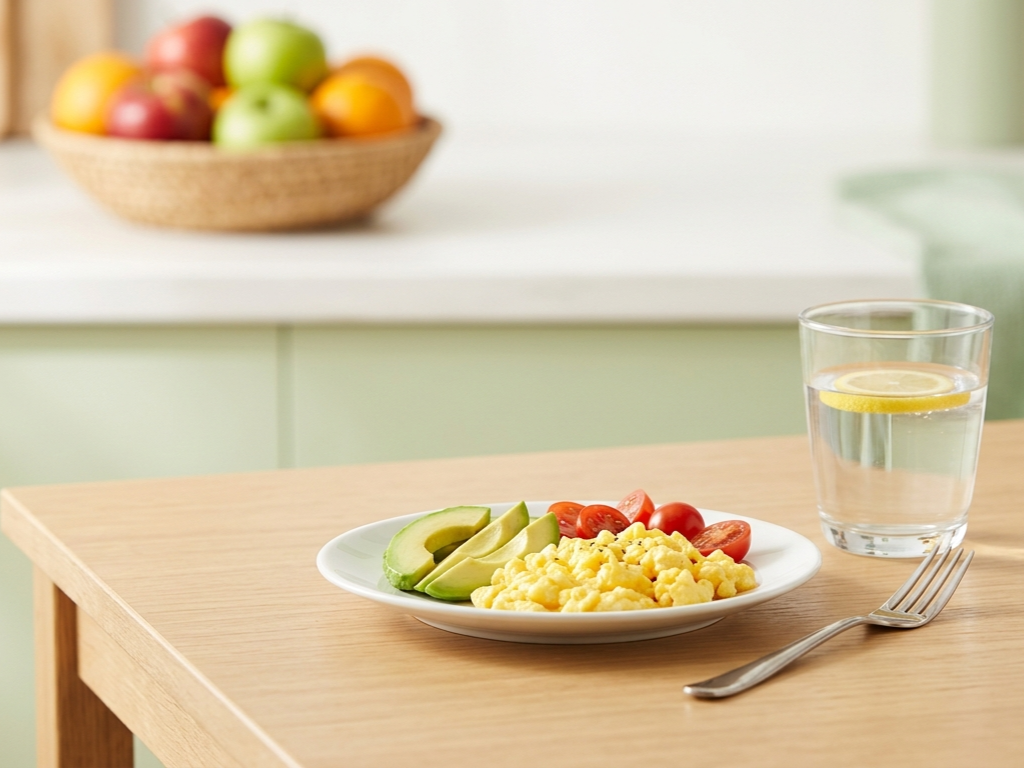
How to do it: Eat eggs, Greek yogurt, cottage cheese, or a protein smoothie for breakfast. Avoid sugary cereals, pastries, and white bread.
3. Drink a Glass of Water Before Meals
Water is good for you. Drinking it before a meal can help you eat less. It fills up your stomach. It also helps you tell the difference between hunger and thirst.
How to do it: Drink one or two glasses of water about 30 minutes before each meal.
4. Eat More Fiber
Fiber is another nutrient that helps you feel full. It slows down digestion. It also feeds the good bacteria in your gut. High-fiber foods are usually low in calories.
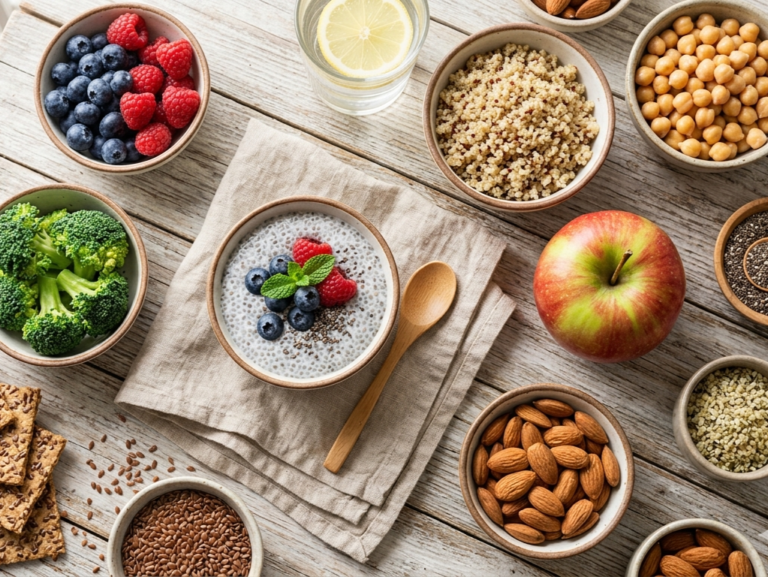
How to do it: Eat more vegetables, fruits, beans, lentils, oats, and whole grains. Aim for at least 25 to 30 grams of fiber per day.
5. Use Smaller Plates
Plate size matters. When you use a large plate, you tend to put more food on it. When you use a smaller plate, you put less food on it. But your brain still thinks you are eating a full plate.
How to do it: Use a salad plate or a smaller dinner plate instead of a large one.
6. Eat Slowly and Mindfully
It takes about 20 minutes for your brain to realize that your stomach is full. If you eat too fast, you can eat too much before you feel full. Eating slowly gives your brain time to catch up.
How to do it: Put your fork down between bites. Chew your food well. Pay attention to the taste and texture. Do not eat while watching TV or looking at your phone.
7. Do Not Drink Your Calories
Liquid calories add up fast. Soda, juice, sweetened coffee drinks, and alcohol have a lot of calories but do not make you feel full. You can drink hundreds of calories without even noticing.
How to do it: Drink water, unsweetened tea, or black coffee. Save your calories for real food.
8. Keep Unhealthy Snacks Out of Sight
If junk food is on your counter, you will eat it. If it is in a drawer, you will eat it. Out of sight really does mean out of mind. Make healthy food easy to grab and junk food hard to get.
How to do it: Put fruits and vegetables on the counter. Hide chips, cookies, and candy in a high cupboard or in the basement.
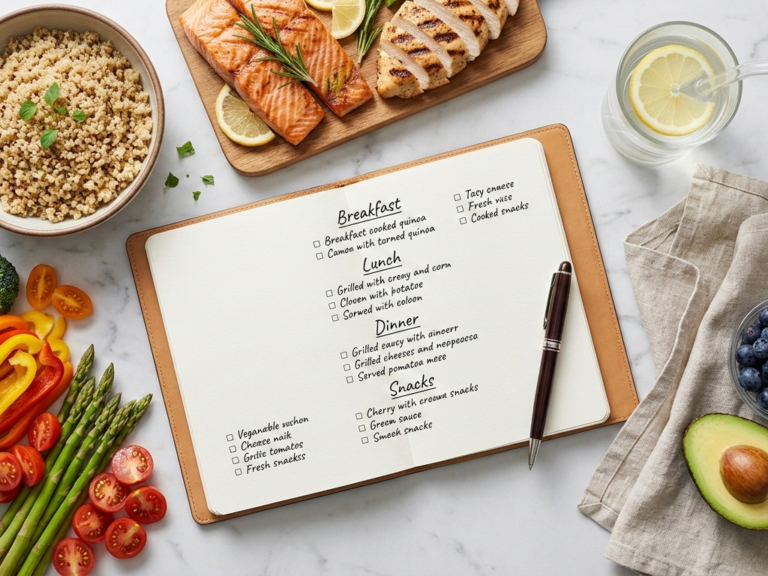
9. Plan Your Meals Ahead of Time
When you do not have a plan, you are more likely to grab fast food or order takeout. Planning your meals ahead of time helps you make healthier choices. It also saves you money.
How to do it: Take 15 minutes on Sunday to plan your meals for the week. Make a grocery list. Prep what you can ahead of time.
10. Eat Vegetables First
Vegetables are low in calories and high in fiber. If you eat them first, they will fill you up. Then you will eat less of the higher-calorie foods on your plate.
How to do it: Start every meal with a salad or a serving of steamed vegetables.
11. Do Not Skip Meals
Skipping meals sounds like a good way to cut calories. But it usually backfires. When you skip a meal, you get very hungry. Then you overeat at your next meal. You also tend to crave unhealthy foods.
How to do it: Eat three meals a day. If you get hungry between meals, have a small, healthy snack.
12. Get Enough Sleep
Sleep is not about eating. But it affects your eating. When you are tired, your body makes more hunger hormones. You also crave sugar and carbs for quick energy. Poor sleep can ruin your best diet efforts.
How to do it: Aim for 7 to 8 hours of sleep per night. Go to bed and wake up at the same time every day.
13. Use Healthy Cooking Methods
How you cook your food matters. Frying adds a lot of calories. Grilling, baking, steaming, and roasting add very few. You can also use non-stick pans to use less oil.
How to do it: Bake, grill, steam, or roast your food instead of frying. Use cooking spray instead of pouring oil.
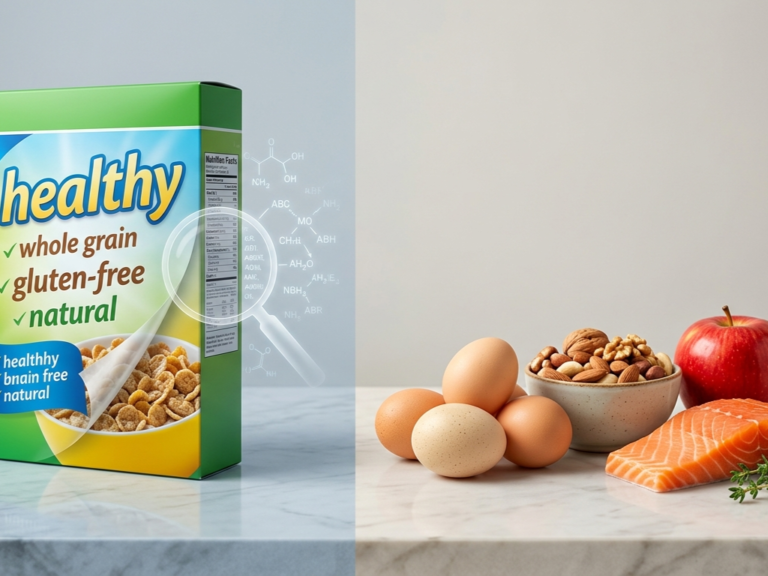
14. Read Food Labels
Many “healthy” foods are not actually healthy. They can be full of sugar, salt, and unhealthy fats. Reading the label helps you know what you are really eating.
How to do it: Look at the serving size, calories, sugar, and fat. Ignore the marketing claims on the front of the package.
15. Do Not Keep Junk Food in the House
If junk food is in your house, you will eat it. It is that simple. The best way to resist temptation is to not have it around.
How to do it: Do not buy chips, cookies, candy, or soda. If you really want a treat, go out and buy a single serving.
16. Eat More Whole Foods
Whole foods are foods that are not processed. They are close to their natural state. Fruits, vegetables, meat, fish, eggs, nuts, and seeds are whole foods. They are more filling and more nutritious than processed foods.
How to do it: Shop the perimeter of the grocery store. That is where the whole foods are. Avoid the middle aisles where the processed foods live.
17. Watch Your Portions
Even healthy food has calories. You can eat too much of a good thing. Portion control is key. You do not need to measure everything forever. But it helps to learn what a serving size looks like.
How to do it: Use your hand as a guide. A serving of meat is the size of your palm. A serving of carbs is the size of your fist. A serving of fat is the size of your thumb.
18. Do Not Eat in Front of the TV
When you eat while watching TV, you are not paying attention to your food. You eat more. You also enjoy your food less. Eating without distractions helps you listen to your body’s hunger signals.
How to do it: Sit at a table to eat. Do not watch TV or look at your phone.
19. Allow Yourself Treats
If you try to be perfect, you will fail. Deprivation leads to bingeing. It is okay to have a treat sometimes. The key is to plan for it and enjoy it.
How to do it: Allow yourself one small treat per day. Or save your treats for the weekend. Eat them slowly and savor every bite.
20. Be Patient and Consistent
Weight loss takes time. You did not gain the weight overnight. You will not lose it overnight. Do not get discouraged by small setbacks. Just get back on track at your next meal.
How to do it: Focus on progress, not perfection. Celebrate small wins. Keep going even when it is hard. Consistency is more important than intensity.
Summary Table of Tips
| Tip Number | Tip | Key Action |
|---|---|---|
| 1 | Eat More Protein | Add protein to every meal |
| 2 | High-Protein Breakfast | Start the day with eggs or Greek yogurt |
| 3 | Drink Water Before Meals | Drink 1-2 glasses 30 minutes before eating |
| 4 | Eat More Fiber | Eat vegetables, fruits, beans, and whole grains |
| 5 | Use Smaller Plates | Use a salad plate instead of a dinner plate |
| 6 | Eat Slowly | Put your fork down between bites |
| 7 | Do Not Drink Calories | Skip soda, juice, and sweetened coffee |
| 8 | Keep Unhealthy Snacks Out of Sight | Hide junk food; display healthy food |
| 9 | Plan Your Meals | Plan weekly meals on Sunday |
| 10 | Eat Vegetables First | Start every meal with vegetables |
| 11 | Do Not Skip Meals | Eat three meals a day |
| 12 | Get Enough Sleep | Aim for 7 to 8 hours per night |
| 13 | Use Healthy Cooking Methods | Bake, grill, steam, or roast instead of frying |
| 14 | Read Food Labels | Check serving size, sugar, and fat |
| 15 | Do Not Keep Junk Food in the House | Do not buy chips, cookies, or soda |
| 16 | Eat More Whole Foods | Shop the perimeter of the store |
| 17 | Watch Your Portions | Use your hand to measure serving sizes |
| 18 | Do Not Eat in Front of the TV | Sit at a table to eat |
| 19 | Allow Yourself Treats | Plan for small treats |
| 20 | Be Patient and Consistent | Focus on progress, not perfection |
Final Thoughts
Losing weight does not have to be complicated. You do not need a fancy diet or expensive supplements. You just need to make small, healthy changes. Pick one or two tips from this list and start today. Once those become habits, add a few more. Over time, these small changes will add up to big results. You can do this. Enjoy.