10 Skin Changes That Could Point to Thyroid Imbalance
Your thyroid is a small gland in your neck. It is shaped a little like a butterfly. Even though it is small, it has a big job. It makes two main hormones, called thyroxine (T4) and triiodothyronine (T3). These hormones control many things in your body. They affect your metabolism, your body temperature, how your heart works, and even the health of your skin.
Sometimes, the thyroid can get out of balance. It might make too much hormone. This is called hyperthyroidism. Or it might not make enough hormone. This is called hypothyroidism. When this happens, it can affect almost every part of your body.
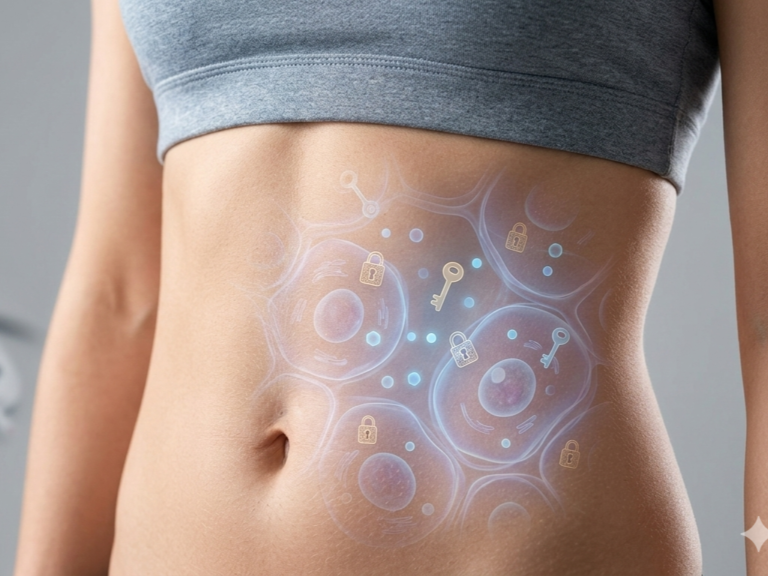
Your skin is often one of the first places where you can see signs of a thyroid problem. Your skin is your body’s largest organ. It needs thyroid hormone to stay healthy. In fact, skin cells have special receptors that pick up thyroid hormone. Even small changes in your hormone levels can cause changes in your skin [1].
Here are ten skin changes that could mean your thyroid is out of balance.
1. Dry, Coarse, and Scaly Skin (Xerosis Cutis)
This is the most common skin sign of an underactive thyroid, or hypothyroidism. The medical name for this very dry skin is xerosis cutis. In one study of 460 people with hypothyroidism, more than half of them, about 57 percent, had this symptom [1].
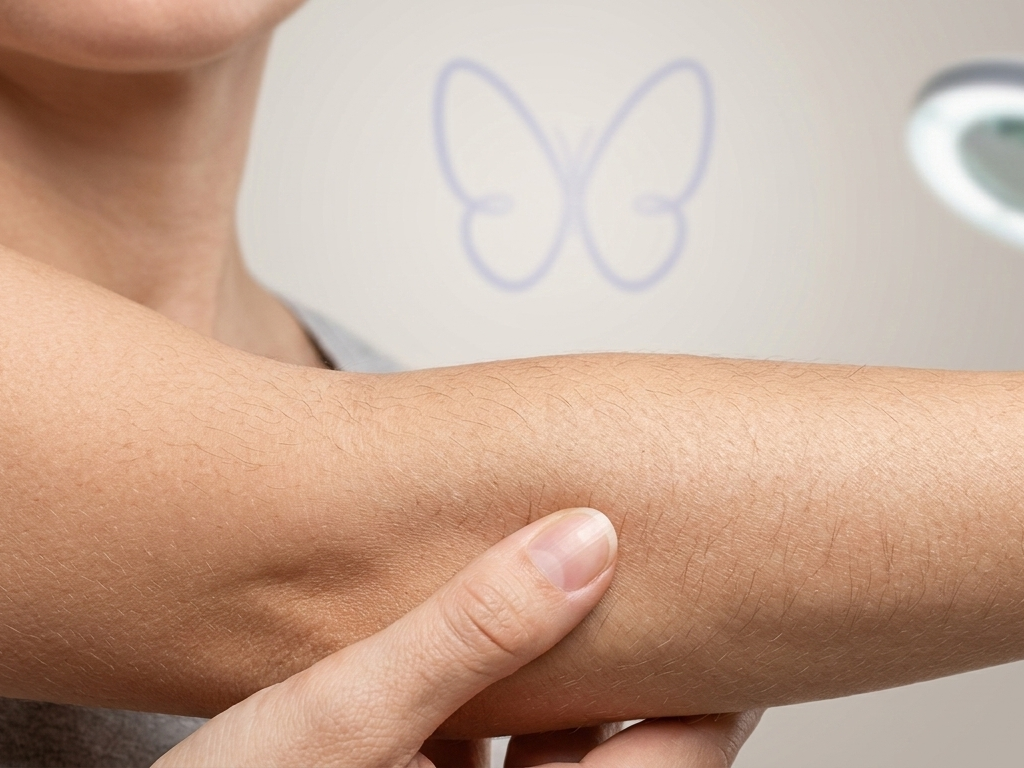
The skin often becomes dry and rough, especially on the shins and elbows. It can also affect the palms of your hands and the soles of your feet.
Why does this happen? When thyroid hormone levels are low, your body has trouble building the skin’s protective barrier. The glands that make sweat also slow down. This makes it hard for your skin to hold onto moisture [1]. In very serious, long-term cases, the dryness can get much worse. It can turn into a condition called acquired ichthyosis, where the skin gets thick and scaly, like fish scales [2].
2. Warm, Moist, and Velvety Skin
An overactive thyroid, or hyperthyroidism, causes the opposite skin changes. The skin often feels warm, moist, smooth, and soft. Some people say it feels like a baby’s skin [2].
This happens because a high metabolic rate makes more blood flow to the skin. People with hyperthyroidism often sweat a lot, a condition called hyperhidrosis. This is a very common symptom, especially in a type of hyperthyroidism called Graves’ disease [1]. You might also notice your face looks flushed or the palms of your hands are red. This is from all the extra blood flow near the skin’s surface [3].
3. Pretibial Myxedema (Graves’ Dermopathy)
This is one of the most unique and specific skin signs of thyroid disease. It is linked to Graves’ disease, which is the most common cause of hyperthyroidism. About 1 to 5 percent of people with Graves’ disease get this condition. It almost always happens along with Graves’ ophthalmopathy, which is when the eyes bulge out [4].
It shows up as thick, raised patches of skin on the shins and the tops of the feet. The skin can look pink, purple, or brownish. It might have a texture like an orange peel. This is because the hair follicles get pushed down into the swollen skin [1]. The skin feels hard and waxy to the touch.
This happens because certain antibodies, called TSH receptor antibodies, stimulate skin cells. This causes a build-up of certain substances in the skin [4]. Treating this condition can be hard. Doctors often use strong steroid creams, but the patches can last a long time.
4. Myxedema Facies (Puffy, Doughy Face)
When someone has had severe, untreated hypothyroidism for a long time, their face can take on a certain look. This is called myxedema facies. It happens because certain sugar molecules build up in the skin. These molecules attract and hold a lot of water, causing the skin to swell [1].
The face looks puffy. This is most noticeable around the eyes, which is called periorbital edema. It can make a person look like they are always tired. The lips might look thicker. The tongue can get bigger, a condition called macroglossia. The nose might look broader [2]. The swollen skin feels doughy and waxy. If you press on it, it does not leave a dent like other kinds of swelling. This is a key clue for doctors.
5. Hair Loss and Thinning Eyebrows (Alopecia)
Hair changes are very upsetting for many people. They can happen with both an underactive and an overactive thyroid.
With hypothyroidism, the hair gets dry, coarse, and brittle. It might grow slowly and break easily. A very telling sign is losing the hair on the outer edges of your eyebrows. This is called madarosis. If you notice this, it is a good idea to get your thyroid checked [1]. This happens because the thyroid problem messes up the normal hair growth cycle. More hairs than normal go into a resting phase and then fall out.
With hyperthyroidism, the hair is often fine and soft. But people can still lose a lot of hair. This is called telogen effluvium [5]. It happens when a big stress on the body, like a hormonal imbalance, causes a large number of hair follicles to suddenly stop growing. The hair falls out about two to four months later. It is interesting to note that telogen effluvium can also happen when a person starts treatment for hypothyroidism. As the body adjusts, the hair follicles reset their growth cycle, which can cause temporary shedding.
6. Nail Changes: Onycholysis and Brittle Nails
Your fingernails and toenails can also give clues about your thyroid health.
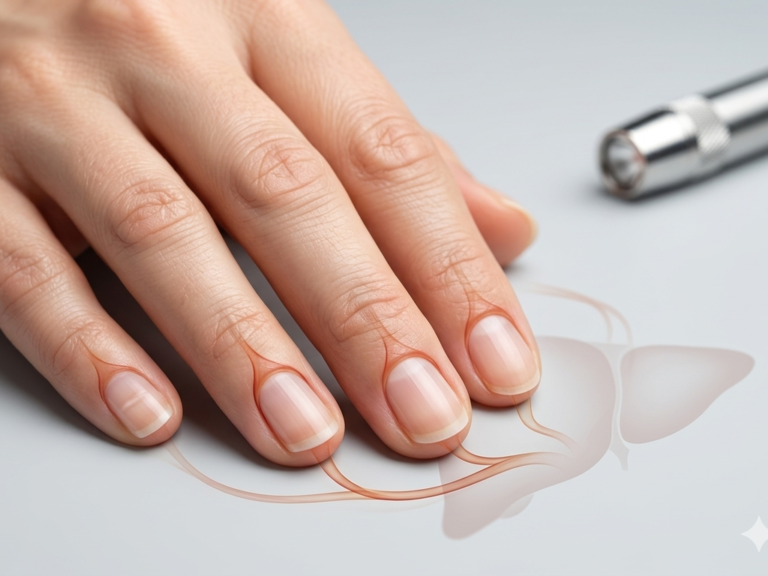
In hyperthyroidism, a common nail change is called onycholysis. This is when the nail plate separates from the nail bed underneath. It starts at the tip of the nail and moves back toward the cuticle. When this happens with hyperthyroidism, it has a special name: Plummer’s nails [6]. The nails might also become soft and shiny. In one study, nail changes were seen in almost 29 percent of people with hyperthyroidism [2].
In hypothyroidism, the nails often become thick, dull, and brittle. They grow more slowly and might have ridges running from the cuticle to the tip. They break easily.
7. Yellowish Skin Discoloration (Carotenemia)
Some people with hypothyroidism might notice their skin taking on a yellowish-orange tint. This is most obvious on the palms of the hands and the soles of the feet. This condition is called carotenemia [2].
Thyroid hormone helps your body change beta-carotene into vitamin A. Beta-carotene is the pigment that makes carrots and other orange vegetables orange. When thyroid levels are low, this process slows down. Beta-carotene builds up in your blood and then gets deposited in your skin [1].
It is important to know that this is different from jaundice, which also turns skin yellow. In jaundice, the whites of your eyes also turn yellow. In carotenemia, the whites of your eyes stay white. This is an easy way to tell them apart.
8. Vitiligo
Vitiligo is a skin condition where the cells that make skin pigment, called melanocytes, are destroyed. This causes smooth, white patches to appear on the skin. Vitiligo is an autoimmune disease, which means the body’s immune system attacks its own healthy cells.
There is a strong link between vitiligo and autoimmune thyroid diseases, like Hashimoto’s thyroiditis and Graves’ disease [7]. All of these conditions involve the immune system attacking the body. One large study found that people with vitiligo often have undiagnosed thyroid problems [1]. For this reason, doctors often recommend that people with vitiligo get their thyroid checked.
9. Chronic Hives and Generalized Itching (Urticaria and Pruritus)
Unexplained itching, which doctors call pruritus, and hives, called urticaria, can both be signs of thyroid problems. The link is especially strong with autoimmune thyroid disease.
In hyperthyroidism, the itching can come from the increased blood flow and skin temperature. In hypothyroidism, the extreme dryness of the skin can cause intense itching.
Chronic hives are hives that keep coming back for more than six weeks. Studies have shown that up to 30 percent of people with chronic hives also have Hashimoto’s thyroiditis, an autoimmune cause of hypothyroidism. Sometimes, treating the thyroid condition with medication can make the hives go away [9].
10. Slow Wound Healing
Healing a cut or a scrape is a complex process. Your body needs energy to make new cells and build new tissue. Thyroid hormone is very important for this process.
In hypothyroidism, the body’s metabolism slows down. This impairs every stage of wound healing. Research has shown that it slows down the first stage, the inflammation stage. It also reduces the growth of new cells and slows down the making of collagen, which is the main building block of skin [10].
The result is that any cut, surgical incision, sore, or bruise may take much longer to heal in a person with an underactive thyroid.
A Note on Diagnosis and Treatment
It is very important to remember that none of these skin changes, by themselves, mean you have a thyroid problem. All of them can have other causes. Sometimes, a dermatologist, a skin doctor, might be the first to notice these signs.
However, if you notice several of these changes happening together, it is a good idea to talk to your doctor. This is especially true if you also have other symptoms like feeling very tired, changes in your weight, feeling your heart pound, or always feeling too hot or too cold.
Doctors can check your thyroid with a simple blood test. It measures your levels of TSH, free T4, and free T3. Finding and treating a thyroid problem early can make a big difference. Many of these skin changes will improve or even go away completely with the right treatment [3].
Conclusion
Your skin can be like a window into your body, showing what is happening inside. The ten skin changes we talked about here can be signals that your thyroid might be out of balance. They range from the dry, rough skin of an underactive thyroid to the warm, smooth skin of an overactive thyroid. There are also very specific signs like the waxy patches of pretibial myxedema and the white patches of vitiligo.
Knowing about these signs and seeing a doctor if you notice them can help catch thyroid problems early. And when it comes to thyroid disorders, early treatment is key. They are among the most treatable hormone conditions.