10 Signs Your Body Is Showing Insulin Resistance
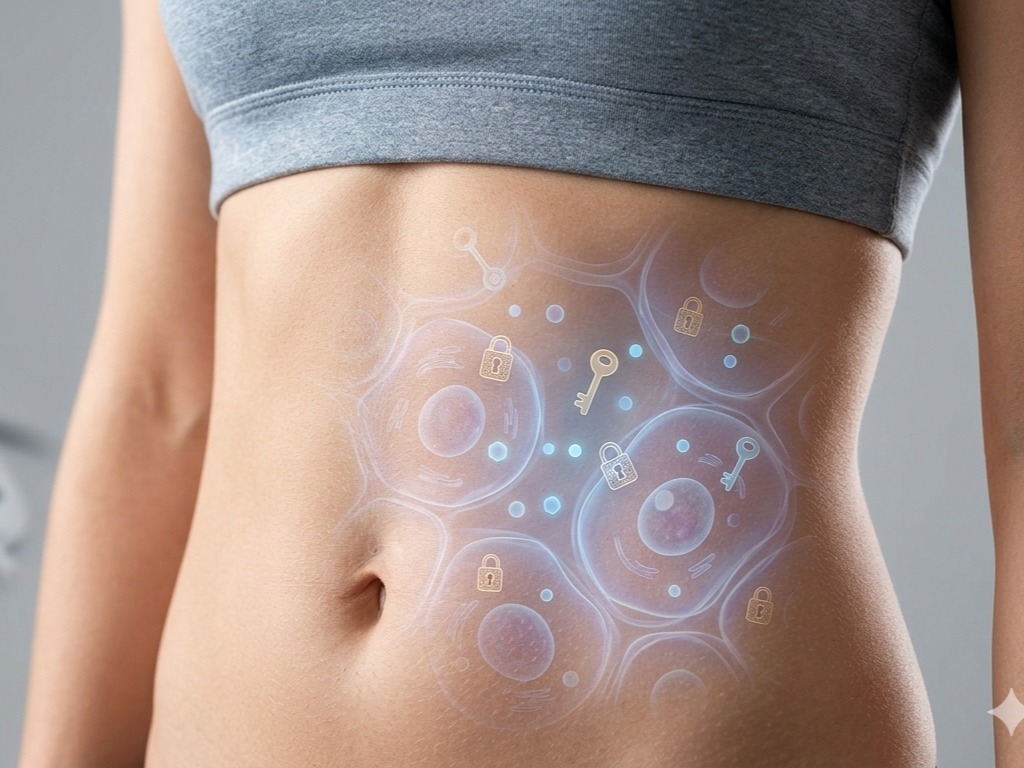
Insulin resistance is a common health condition. Experts think that about one in three American adults may have it [3]. It happens when the cells in your body stop responding well to a hormone called insulin. Your pancreas makes insulin. Its main job is to help move sugar from your blood into your cells to be used for energy.
When your cells become resistant to insulin, your pancreas has to work harder. It makes more and more insulin to try to get the sugar into your cells. Over time, your pancreas might not be able to keep up. This can lead to higher blood sugar levels, which can cause prediabetes and type 2 diabetes [2].
The good news is that catching insulin resistance early can help you take steps to prevent bigger problems. You can work with your doctor and make changes to your diet and lifestyle. Here are ten signs that your body might be showing insulin resistance.
1. Increased Hunger and Cravings
One of the early signs of insulin resistance is feeling hungry more often. You might eat a meal and then feel hungry again not long after. This is often paired with strong cravings for sugar and foods high in carbohydrates, like bread or pasta [3].
Why does this happen? When your cells are resistant to insulin, they are not getting the sugar they need for energy. Your body senses this and thinks it needs more fuel. It sends out hunger signals. This can start a tough cycle where you eat more, especially sugary foods, which makes your body produce even more insulin and can make the resistance worse over time.
2. Fatigue and Low Energy Levels
Feeling tired, especially after you eat, can be another clue. If your cells cannot get the sugar they need for energy, you will feel a lack of energy [1, 3]. It is like your body’s engine is not getting enough fuel. This can feel like a general sense of being run down. Or you might notice a big drop in your energy in the middle of the afternoon.
3. Weight Gain, Especially Around the Waist
A common sign of insulin resistance is gaining weight, especially in your belly area. Doctors sometimes call this an “apple-shaped” body. Having a large waist is a key part of a group of health problems called metabolic syndrome, and insulin resistance is one of those problems [5].
This belly fat, called visceral fat, is not just sitting there. It is active and can cause inflammation in your body, which can make insulin resistance even worse [1]. Doctors use a simple tape measure to check for this risk.
| Gender | Waist Circumference Indicating Increased Risk |
|---|---|
| Men | Greater than 40 inches (102 cm) |
| Women | Greater than 35 inches (88 cm) |
4. Dark, Velvety Skin Patches (Acanthosis Nigricans)
This is one of the most visible signs of insulin resistance. It is called acanthosis nigricans. You might notice patches of skin that look dark, thick, and velvety. They usually show up in the folds and creases of your body, like your armpits, your groin, or the back of your neck [4].
The high levels of insulin in your blood can make skin cells grow faster than normal. This leads to these dark, velvety patches [1, 4]. If you see this on your skin, it is a good idea to talk to your doctor.
5. Skin Tags
Skin tags are small, soft, flesh-colored growths that hang off your skin. They are usually harmless. But they are also linked to insulin resistance [1]. If you have a lot of skin tags, especially along with other signs on this list, it is worth bringing up with your doctor.
6. High Blood Pressure
High blood pressure is another key part of metabolic syndrome. It is often found in people who also have insulin resistance [5]. The exact reason why they are linked is complicated. It probably has to do with things like increased inflammation in the body and changes in how the kidneys handle salt and fluids.
7. Abnormal Cholesterol Levels
Insulin resistance can cause problems with your cholesterol, the fats in your blood. It is linked to high levels of a type of fat called triglycerides. It is also linked to low levels of HDL cholesterol, which is often called the “good” cholesterol [5]. Having high triglycerides and low HDL together is a big risk factor for heart disease.
8. Frequent Urination and Increased Thirst
As insulin resistance gets worse, your blood sugar levels can start to rise. When this happens, you might notice symptoms that are common in diabetes, like needing to pee more often and feeling very thirsty [1].
Here is why: When there is too much sugar in your blood, your kidneys work hard to filter it out. To do this, they pull extra water from your body. This makes you dehydrated, which makes you thirsty, and you pee more often to get rid of the extra sugar.
9. Blurred Vision
High blood sugar can also affect your eyes. It can cause the lens in your eye to swell. This swelling changes its shape, which can make your vision blurry [1]. This is usually temporary. If your blood sugar goes back down, your vision might go back to normal. But it is still important to see a doctor to rule out other eye problems.
10. Irregular Menstrual Cycles
For women, insulin resistance is strongly linked to a condition called polycystic ovary syndrome, or PCOS [1, 4]. PCOS is a hormonal problem that can cause irregular periods, high levels of male hormones, and cysts on the ovaries. Insulin resistance can throw off the normal balance of hormones and make the symptoms of PCOS worse.
Conclusion
Learning to recognize the signs of insulin resistance is a good first step. If you notice several of these signs, it is important to talk to your doctor. They can do tests to check your blood sugar and insulin levels.
The good news is that insulin resistance can often be managed and even reversed. A healthy diet, regular exercise, and losing some weight can make a big difference. These changes can help your cells become more sensitive to insulin again. This can lower your risk of developing more serious problems like type 2 diabetes and heart disease.