10 Changes in Your Skin That Could Signal Blood Sugar Issues
Your skin is your body’s largest organ. It does a lot more than just cover you up. It can also act like a messenger, giving you clues about what is going on inside your body. Sometimes, changes in how your skin looks or feels can be the first sign of a health problem, including issues with your blood sugar.
High blood sugar is a key feature of prediabetes and diabetes. When your blood sugar stays high for a long time, it can affect your body in many ways, and your skin is often one of the first places where these effects show up. This article will look at ten common skin changes that could mean you have a problem with your blood sugar. The information comes from trusted sources like the American Academy of Dermatology (AAD), the Centers for Disease Control and Prevention (CDC), and the National Center for Biotechnology Information (NCBI).
1. Dark, Velvety Patches of Skin (Acanthosis Nigricans)
This is one of the most well-known skin signs linked to high blood sugar. The condition is called acanthosis nigricans, or AN for short. It shows up as patches of skin that are darker than your normal skin tone. The skin also becomes thickened and has a velvety texture. These patches usually appear in the folds and creases of your body, like the back of your neck, your armpits, and your groin area [1].
AN is a very strong sign of a condition called insulin resistance. Insulin resistance is when your body’s cells stop responding well to the hormone insulin. This is a major step on the path to developing type 2 diabetes. If you notice these velvety patches on your skin, it is a good idea to talk to your doctor about getting tested for diabetes [2].
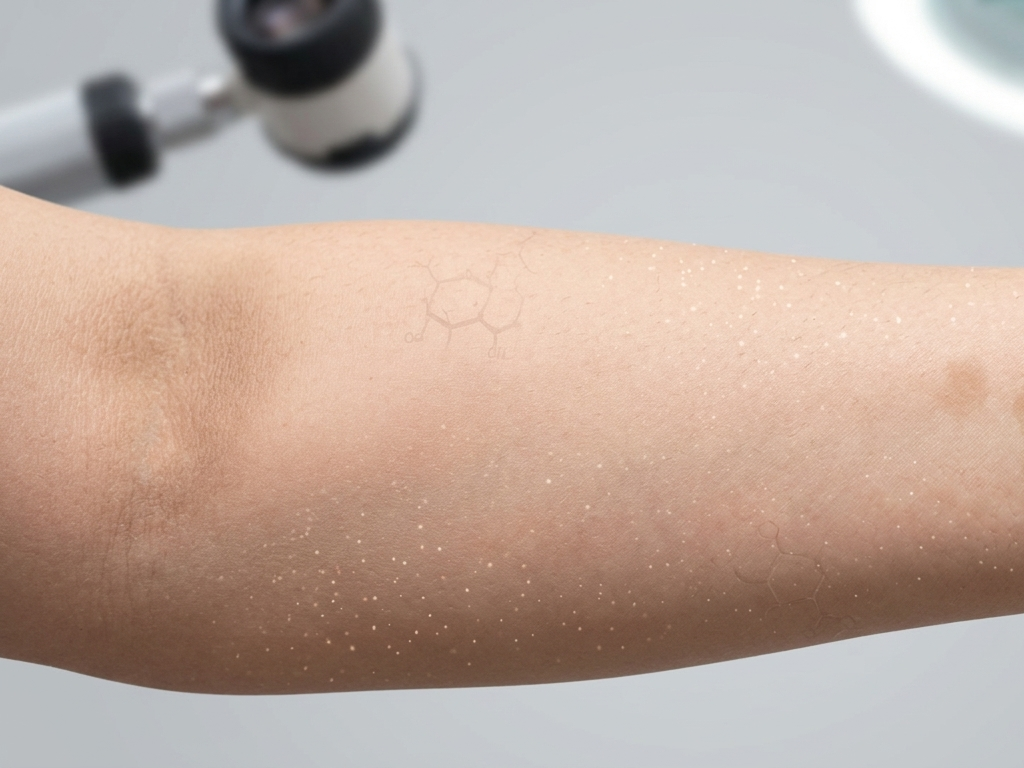
2. Brown, Scaly Patches (Diabetic Dermopathy)
This skin change is often called “shin spots.” The medical name is diabetic dermopathy. It looks like light brown or reddish, round or oval patches on the skin. They are usually scaly. As the name suggests, they most often show up on the shins [3].
These spots are caused by changes in the tiny blood vessels that supply blood to your skin. This kind of blood vessel damage is a common problem from diabetes. The spots themselves are harmless. They usually do not hurt or itch. But if you have four or more of these spots on your legs, it is strongly linked to diabetes [4].
3. Yellow, Reddish, or Brown Patches (Necrobiosis Lipoidica)
This is a rarer skin condition. It is called necrobiosis lipoidica. It often starts as small, raised, red bumps. Over time, these bumps can grow into larger patches. The skin in these patches becomes swollen and hard. The color can be yellowish, reddish, or brown [1].
The center of the patch may get thin and look waxy. You might even see the small blood vessels underneath. This condition can be itchy and painful. Doctors do not know exactly what causes it, but it is strongly linked to diabetes [5].
4. Blisters (Bullosis Diabeticorum)
This condition is also known as diabetic blisters. The medical name is bullosis diabeticorum. In this condition, blisters suddenly appear on the skin. They often show up on the hands, feet, legs, or forearms. These blisters can be large and might look like blisters from a burn. But they are usually not painful. They often heal on their own and do not leave scars [2].
Doctors are not completely sure why this happens. But it is more common in people who have diabetic neuropathy, which is nerve damage from diabetes, and in people whose blood sugar is not well controlled [6].
5. Small, Reddish-Yellow Bumps (Eruptive Xanthomatosis)
This condition is called eruptive xanthomatosis. It causes firm, pea-sized bumps to form in the skin. These bumps often have a red ring or halo around them. They can be found on the backs of the hands, the feet, the arms, and the legs. They can be tender and itchy [1].
These bumps are a sign that you have very high levels of cholesterol and triglycerides, which are types of fat, in your blood. This can happen when diabetes is not under control [2].
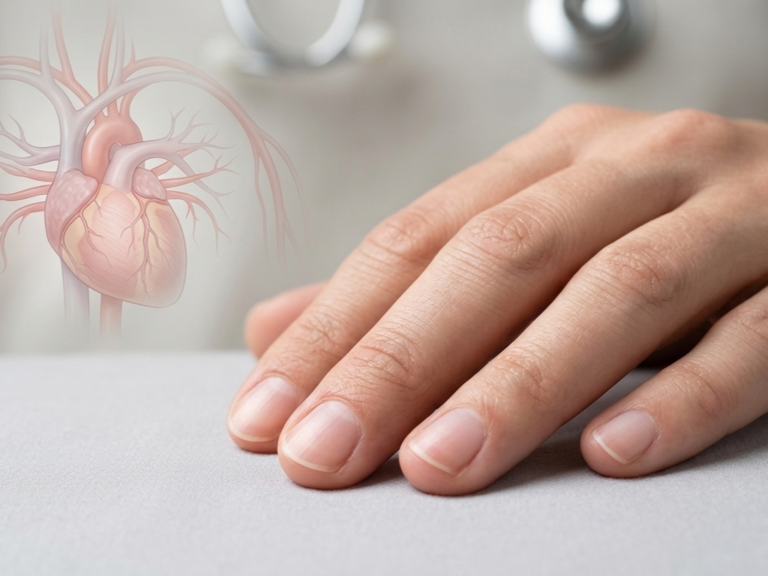
6. Tight, Thick, Waxy Skin (Digital Sclerosis)
Digital sclerosis is a condition that affects the skin on your hands and fingers. The skin on your fingers, toes, and hands can become thick, tight, and waxy. This tightness can make your finger joints stiff and hard to move [2].
If your blood sugar stays high for a long time, this condition can spread to other parts of your body. Digital sclerosis is more common in people with type 1 diabetes [5].
7. Increased Skin Infections
High blood sugar can weaken your immune system. This makes it harder for your body to fight off germs. Because of this, people with diabetes are more likely to get both bacterial and fungal skin infections [2].
Bacterial infections can cause areas of skin to become hot, swollen, and painful. Fungal infections can cause itchy rashes. Common examples include athlete’s foot, jock itch, and ringworm. If you get these infections often, it could be a sign that your blood sugar is too high or that you have undiagnosed diabetes [5].
8. Dry, Itchy Skin (Pruritus and Xerosis)
A lot of people have dry, itchy skin from time to time. But it can be a bigger problem for people with diabetes. High blood sugar can make your body lose fluids faster. This can lead to dehydration and very dry skin, which doctors call xerosis [2].
Also, diabetes can cause poor circulation and nerve damage. Both of these can also make your skin dry and itchy. This itching is called pruritus [5].
9. Slow-Healing Sores and Wounds
High blood sugar can damage your nerves and also make your circulation worse. Good circulation is very important for healing wounds. When you have a cut or sore, especially on your feet, it needs good blood flow to heal.
If you have high blood sugar, even a small cut can take a very long time to heal. These slow-healing wounds can easily get infected. They are a serious problem for people with diabetes and need to be seen by a doctor right away [1, 5].
10. Skin Tags
Skin tags are small, harmless growths of skin. They are very common. Lots of people have them. However, having many skin tags has been linked to insulin resistance. Insulin resistance, as we learned earlier, raises your risk for type 2 diabetes [4].
Doctors are not exactly sure why skin tags are linked to blood sugar issues. But if you have a lot of them, it might be a good reason to ask your doctor to check your blood sugar levels.
Conclusion
Your skin can tell you a lot about your health. Changes in how it looks or feels should not be ignored. The ten skin changes we talked about here can be signs that your blood sugar is too high. Some of them, like the velvety patches of acanthosis nigricans, are very strong clues. Others, like slow-healing sores, are serious problems on their own.
If you notice any of these changes, it is important to see a doctor. Finding and managing blood sugar problems early can help prevent much more serious health issues down the road.