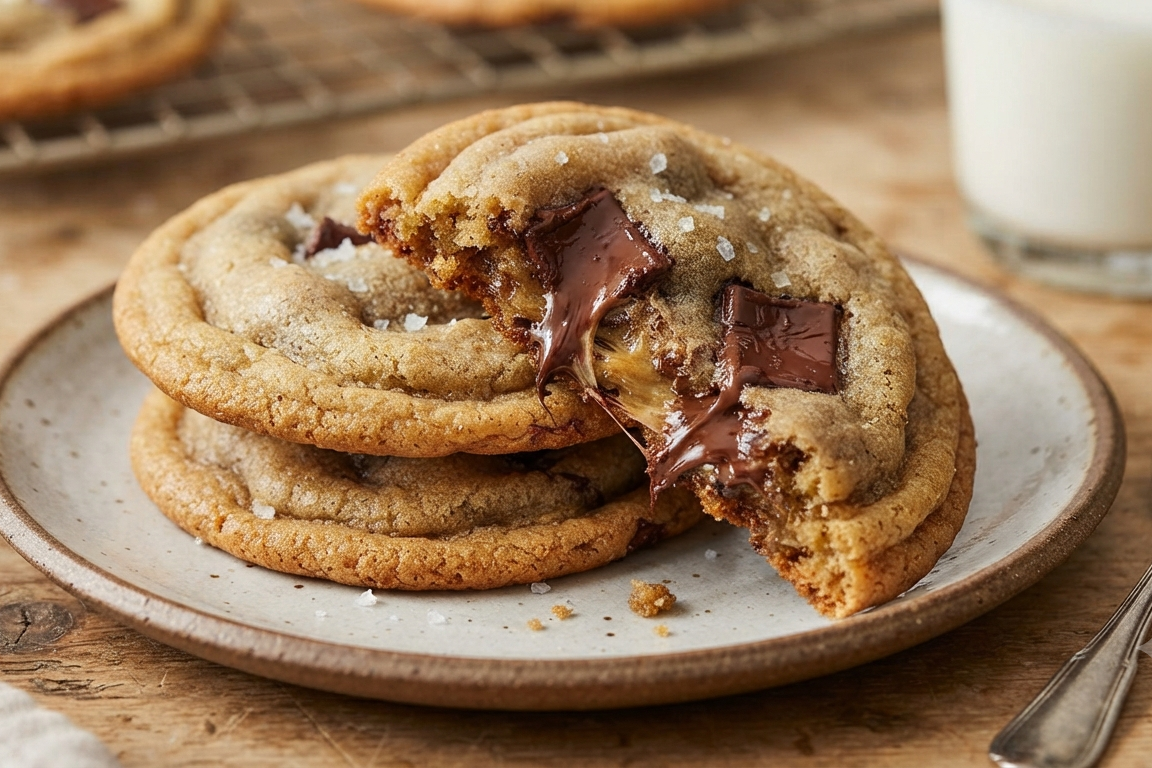
How to Make Cookies Chewy (The Ingredients Matter More Than You Think)
Some people love a crunchy cookie. Others live for that soft, chewy bite that holds together in the middle. If you’re in the chewy camp, you’re in the right place.
The secret to a chewy cookie isn’t some special trick or fancy tool. It comes down to a handful of simple ingredient swaps and a bit of attention to baking time. Here’s exactly what makes a cookie chewy, and how to get that texture every time you bake.
What Actually Makes a Cookie Chewy?
Cookie baking involves a lot of small details, from how the sugar and fat mix with the flour, to how long the cookies stay in the oven. But if you boil it down to one thing, chewy cookies come down to moisture.
A cookie with more moisture inside stays soft and chewy. A cookie that loses moisture as it bakes turns crisp and brittle. So the real goal is adding moisture to your dough while still baking a cookie that holds its shape and cooks all the way through.
Here are the main ways to make that happen.
1. Watch Your Baking Time
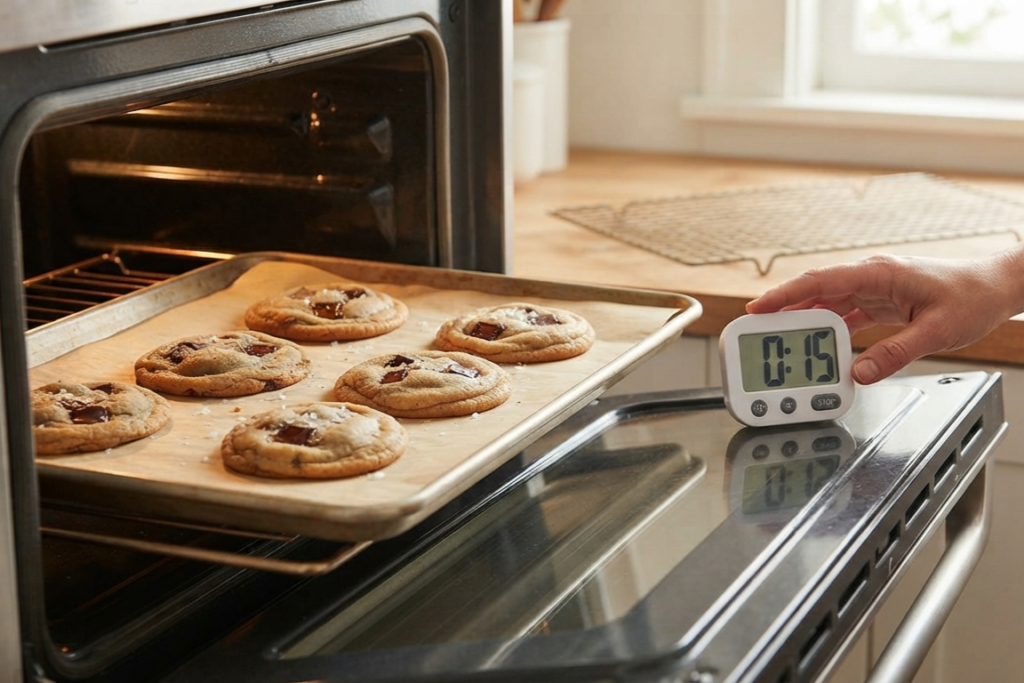
Baking time makes a bigger difference than most people realize. Leave cookies in too long, and all that moisture evaporates, leaving you with a dry, overly browned cookie.
At the same time, cookies need to bake long enough to be safe to eat, since most cookie dough contains raw eggs. Eggs need to reach 160°F to be considered fully cooked.
Here’s how to get the timing right:
- Check your cookies a couple minutes before the recipe’s suggested time. If the recipe says 10 minutes, take a look at 8 minutes.
- A chewy cookie is done when the edges turn golden brown and the center still looks soft, but no longer shiny or wet.
- A soft, dull center means the middle has finished baking and reached a safe temperature. A shiny center means it’s still raw dough.
- Keep in mind cookies keep baking a little after you pull them out, especially if they’re left on a hot pan. That extra time firms up the base without drying out the center.
Baking time will vary depending on your recipe and your oven, so it may take a batch or two of trial and error. Once you find the right time for your oven, jot it down next to the recipe so you don’t have to guess again.
2. Choose Brown Sugar Over White
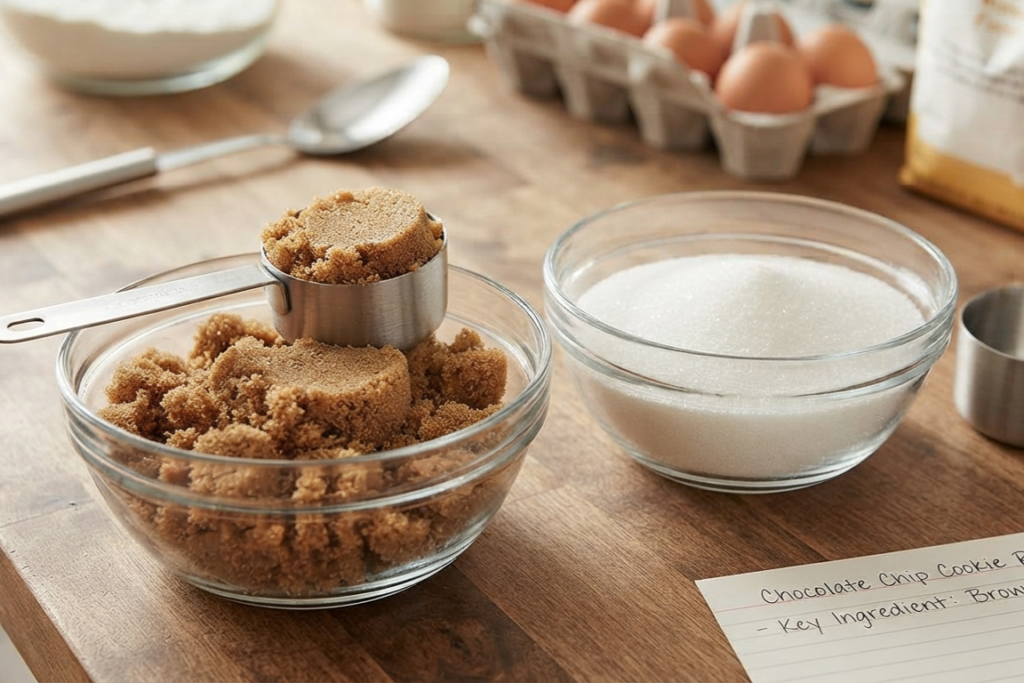
The sugar you use changes your cookie’s texture more than you’d expect.
Brown sugar holds onto moisture, while white sugar is dry and grainy. That’s the main reason brown sugar produces a softer, chewier cookie.
There’s a second factor too: using less sugar overall helps. Sugar melts as cookies bake, and the more it melts, the more the dough spreads out. A thin, spread-out cookie bakes fast and turns crisp, which isn’t what you’re going for.
A simple swap to try: replace white sugar with about 75% the amount in brown sugar. So if a recipe calls for 1 cup of white sugar, use 3/4 cup of packed brown sugar instead. Your cookies will stay just as sweet, spread less, and come out chewier thanks to that extra moisture.
3. Use Shortening Instead of Butter
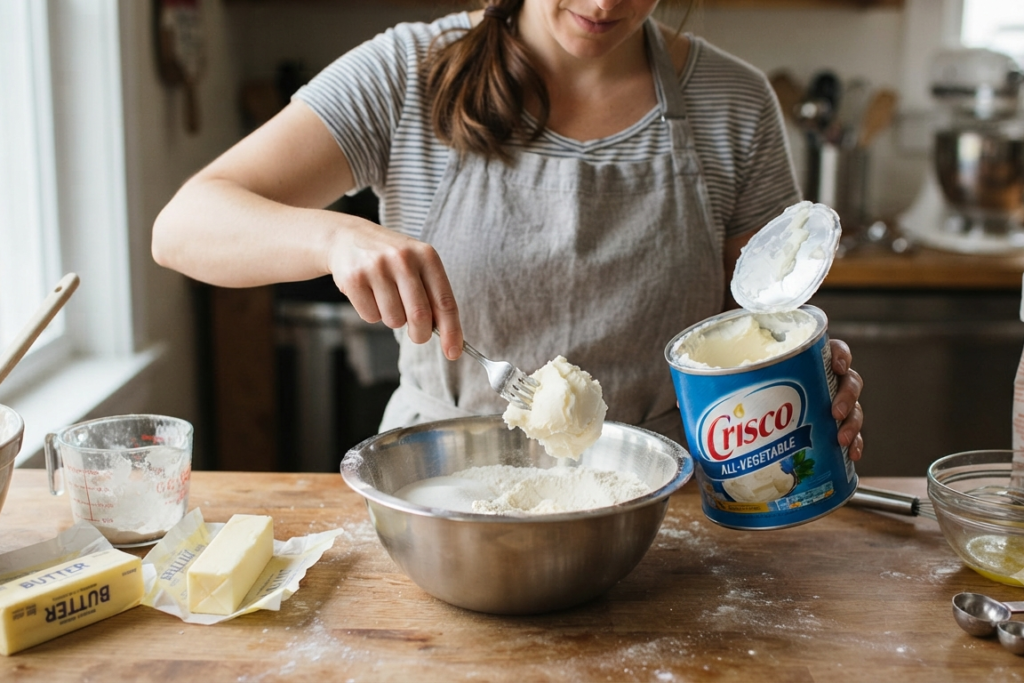
This one surprises a lot of people, since butter feels like the go-to fat for baking. But butter actually works against a chewy texture.
Butter is about 80% fat and 20% water, while shortening is 100% fat. That small bit of water in butter evaporates during baking and encourages more gluten to form, which leads to a crispier cookie. Shortening skips that problem entirely.
Butter does add a richer flavor, so it’s worth using in other recipes. But for a chewy cookie, shortening is the better choice.
4. Adjust Your Flour
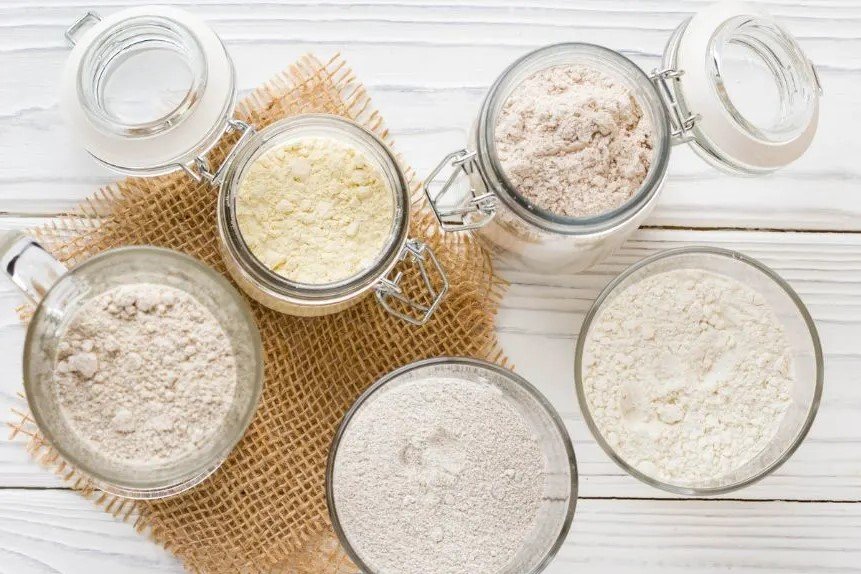
Most cookie recipes call for all-purpose flour, and it works fine, but it also contains a moderate amount of gluten. More gluten means a tougher, sturdier cookie, which isn’t ideal if chewy is your goal.
Two easy ways to cut back on gluten without losing the cookie’s shape:
- Swap half the flour for cake flour. Cake flour has much less gluten, so using half all-purpose and half cake flour gives you a softer, chewier bite while keeping the cookie’s structure intact.
- Add cornstarch. Mix in about 1/2 teaspoon of cornstarch for every 1 cup of flour. This slows down gluten formation and also helps keep the cookies thick instead of spreading thin.
5. Chill the Dough
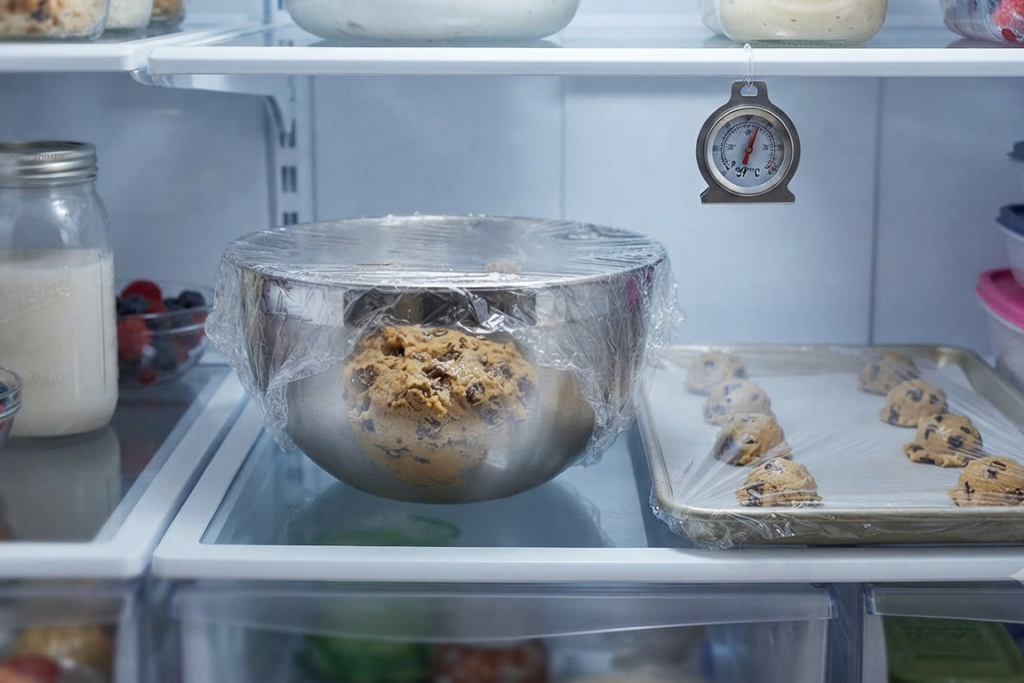
Letting your dough rest in the fridge for at least 30 minutes does two things: it deepens the flavor as the ingredients settle together, and it helps the centers of your cookies stay soft while baking.
You can chill the dough right in the mixing bowl and scoop it fresh when you’re ready to bake, or scoop it into balls first and chill those on a tray. Both work well, so pick whichever is easier for your routine.
Chewy vs. Cakey: Know the Difference
A chewy cookie and a cakey cookie might look similar, but they’re not the same thing. Chewy cookies are moist and dense in the middle. Cakey cookies are drier and more crumbly, closer in texture to a slice of cake.
A few things push a cookie toward cakey instead of chewy:
| Cause | Why It Happens | Fix |
|---|---|---|
| Baking powder | Puffs cookies up fast, drying them out quicker | Use a recipe with baking soda instead |
| Too much flour | Makes cookies dry and crumbly | Level off each scoop, don’t pack it down |
| Too many eggs | Adds too much binding, making cookies dense and gummy | Stick to the exact amount your recipe calls for |
Make Small Changes, Not a Whole New Recipe
It’s tempting to change five things at once when you’re chasing the perfect chewy cookie, but that usually backfires. A few small tweaks go a lot further than a total overhaul.
Start with a recipe you already like, then check it against this list:
- Does it use brown sugar or white?
- All-purpose flour or a mix with cake flour?
- Butter or shortening?
- Is it baking a little too long?
Pick one thing to change first, like swapping in brown sugar or adding that 1/2 teaspoon of cornstarch, and bake a test batch. If it’s still not chewy enough, adjust one more thing next time. Small steps get you there without wasting a batch of dough.
How to Keep Cookies Chewy After Baking
Getting a chewy cookie out of the oven is only half the job. Keeping it chewy matters just as much.
- Store cookies in an airtight container, or wrap the plate tightly in plastic wrap. Cookies left exposed to air dry out fast and turn crunchy.
- Add a slice of plain white bread into the container with your cookies. The cookies will pull moisture from the bread, which helps keep them soft for days.
Final Thoughts
A chewy cookie isn’t about luck, it’s about ingredients and timing. Swap in brown sugar, use shortening instead of butter, cut back on gluten with cake flour or cornstarch, and don’t skip the chilling step. Change one thing at a time, and you’ll land on your perfect chewy cookie before you know it.