The Complete Intermittent Fasting Guide
If you have been stuck in the cycle of starting diets, seeing a little progress, and then watching it all stall out, you are not alone. Most people do not fail diets. Diets fail people.
Intermittent fasting flips that whole model on its head.
Instead of forcing your body into restriction, it works with your biology. When you do it right, it helps you burn fat more efficiently, keep your energy steady, and finally get results that last.
Let us break it down.
Why Most Diets Don’t Work
Most diets rely on cutting calories all the time. At first, that seems like a good idea. Eat less, lose weight. But your body does not see it that way.
When calories drop too low for too long, your body shifts into survival mode. Here is what happens:
- Your metabolism slows down.
- Your hunger hormones, like ghrelin, spike up.
- Your energy drops.
- Your fat loss stalls.
This is not a problem with your willpower. It is your biology doing its job. Your body is trying to protect you.
What Intermittent Fasting Actually Is
Intermittent fasting is not a diet in the usual way. It is a timing strategy. Instead of focusing only on what you eat, it also focuses on when you eat.
You split your day into two simple phases:
- Fasting window: You take in no calories. You can have water, black coffee, or unsweetened tea.
- Eating window: You eat all your meals for the day.
That is it. By making longer gaps between meals, your body finally gets the signal it needs to stop storing fat and start using it.
What Happens in Your Body When You Fast
Think of your body like a hybrid car. It prefers to run on sugar, called glucose, first. But once that runs out, it switches to stored fat.
Fasting helps you make that switch. Here are the four big changes that happen behind the scenes.
1. Insulin Drops
Insulin is your fat-storage hormone. When insulin levels are high, your fat burning is basically turned off. When insulin drops, your body can finally get to the stored fat.
2. Glycogen Depletes
Your body burns through its stored carbs first. These are called glycogen. Once those are gone, your body needs a new fuel source, and that source is fat.
3. Fat Burning Turns On
Your body begins to break down fat and use it for energy. This is where real fat loss happens.
4. Autophagy Kicks In
This is your body’s internal cleanup system. It recycles damaged cells and improves your overall health.
The Most Effective Fasting Methods
There is no one-size-fits-all approach. But these three methods cover what works for most people.
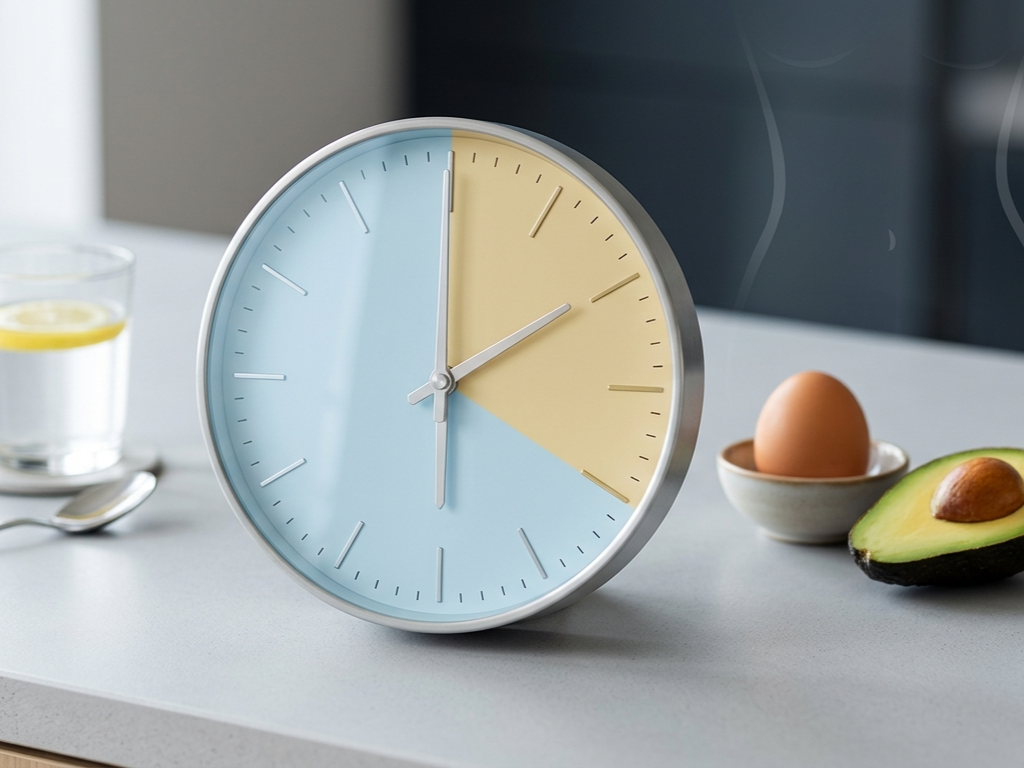
16:8 Method (Best for Beginners)
- Fast for 16 hours.
- Eat all your meals within an 8-hour window.
- This method is easy to stick with and fits most schedules.
5:2 Method
- Eat normally for 5 days a week.
- Reduce your calories significantly for the other 2 days.
OMAD (One Meal a Day)
- You fast for 23 hours.
- You eat one large meal.
- This is more advanced. You might see faster results, but it can be harder to keep up for a long time.
The goal with all of them is the same: keep insulin low for long enough to start burning fat.
Why the 16:8 Method Works So Well
If you are just starting out, the 16:8 method is the sweet spot. It is simple.
Here is how it works. You skip breakfast. Then you eat all your meals between, for example, 12 PM and 8 PM.
During your fast, you can have water, black coffee, or unsweetened tea.
During your eating window, focus on real, whole foods. Make sure to get enough protein and healthy fats.
It does not feel extreme. That is why people actually stick with it.
What You Eat Still Matters
Fasting opens the door to fat loss. But what you eat during your eating window determines how far you go.
When you break your fast, your body is more sensitive to nutrients. That is a good thing, if you use it the right way.
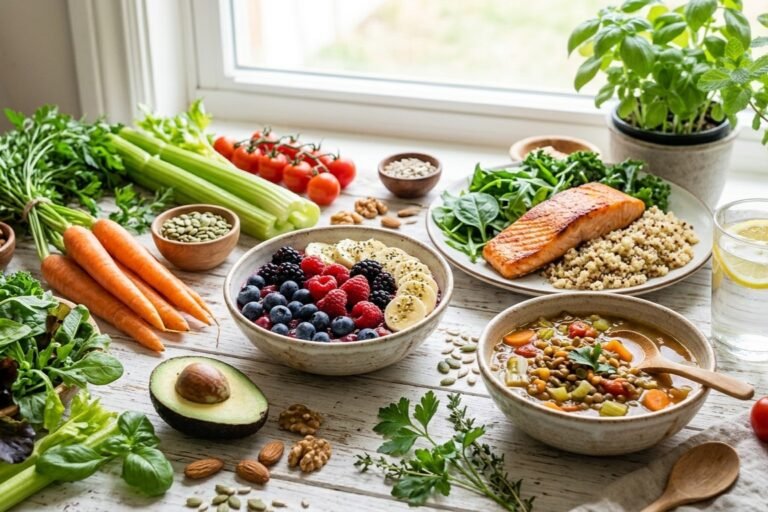
Best foods to break a fast:
- Eggs
- Avocado
- Lean protein like chicken or fish
- Bone broth
- Fermented foods like sauerkraut or kimchi
Foods to avoid:
- Sugary drinks
- Pastries and other sweets
- Ultra-processed junk food
A simple example of a good meal to break your fast would be eggs with avocado and some berries. This kind of meal helps keep your blood sugar stable and keeps fat burning going.
Important Note for Women
Women can be more sensitive to the stress of fasting. Going too hard, too fast can sometimes disrupt hormones, increase cortisol, and affect menstrual cycles.
A better approach for many women is:
- Start with a 14:10 window instead of 16:8.
- Try fasting on days that are not one after the other.
- Avoid fasting the week before your period.
The real goal is not intensity. It is consistency.
How to Use Exercise With Fasting
The timing of your exercise matters more than most people think.
Fasted training, which is good for fat loss:
- Walking
- Light cardio
- Circuits
Fed training, which is better for performance:
- Strength training with weights
- HIIT, which is high-intensity interval training
A good strategy is to do your workout near the end of your fast, and then eat right after. This helps you burn fat during the workout and recover properly afterward.
The 5 Biggest Mistakes People Make
This is where most people go wrong. Avoid these mistakes.
1. “Dirty Fasting”
Adding cream, sugar, or any snacks to your coffee or tea breaks the fast. Even small amounts of calories matter.
2. Binge Eating
Your eating window is not a free pass to eat anything and everything. Overeating can cancel out your progress.
3. Eating Too Little
Cutting calories too much, even during your eating window, can backfire. Chronic under-eating slows your metabolism.
4. Going Too Extreme Too Fast
Jumping right into OMAD without any experience often leads to burnout. Start with 16:8 and work your way up.
5. Ignoring Sleep
Poor sleep raises cortisol, which is a stress hormone. High cortisol can mess up your fat loss.
What Happens Hour by Hour
Fasting is not random. There is a clear timeline of what happens in your body.
- 0 to 4 hours: You are in the fed state. Your body is storing energy.
- 8 hours: Your insulin levels drop. Digestion finishes.
- 12 hours: Fat burning begins.
- 16 hours: You reach peak fat burning and autophagy also starts.
That is why the 16-hour mark is such a powerful target.
How to Get Even Better Results
If you really want to take this to the next level, you can combine intermittent fasting with carb cycling. Here is why this combination works so well.
- Fasting helps control insulin. Insulin is your fat storage hormone.
- Carb cycling helps control leptin. Leptin is the hormone that controls your metabolism and hunger.
When you put them together, they can help you prevent plateaus, keep your energy high, and speed up your fat loss. It is one of the most effective combinations out there.
How to Start (Keep It Simple)
Do not overthink this. Just start. Here is how:
- Pick the 16:8 method.
- Skip breakfast tomorrow.
- Eat your first meal around noon.
That is it. No complicated plans. No extremes.
Final Thought
Intermittent fasting works because it respects how your body actually functions. It does not rely on willpower. It does not fight your biology. It simply creates the conditions your body needs to do what it is already designed to do, burn fat and feel better.
Your first fast does not start next week. It starts tonight.