10 Thyroid-Friendly Mediterranean Diet Breakfast Recipes
Your thyroid is a small gland in your neck, but it has a big job. It helps control your metabolism, your energy levels, your body temperature, and even your hormones. When your thyroid is not working as well as it should, it can affect your whole body. This can happen with conditions like hypothyroidism or Hashimoto’s thyroiditis.
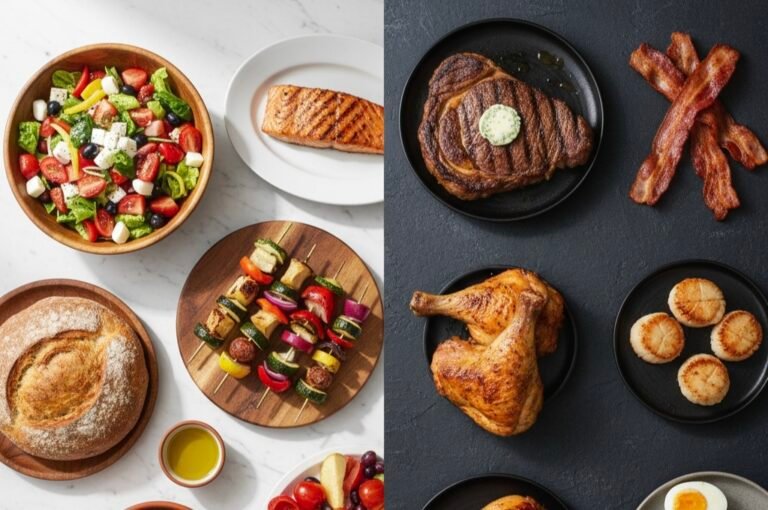
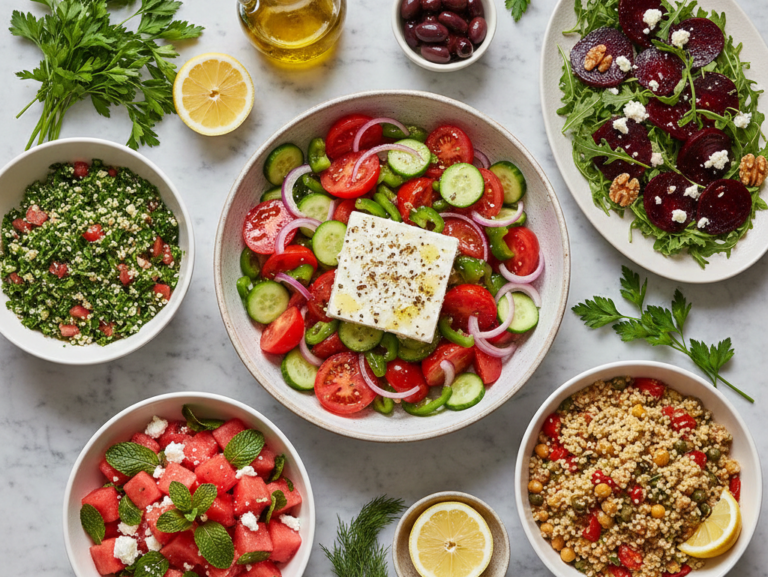
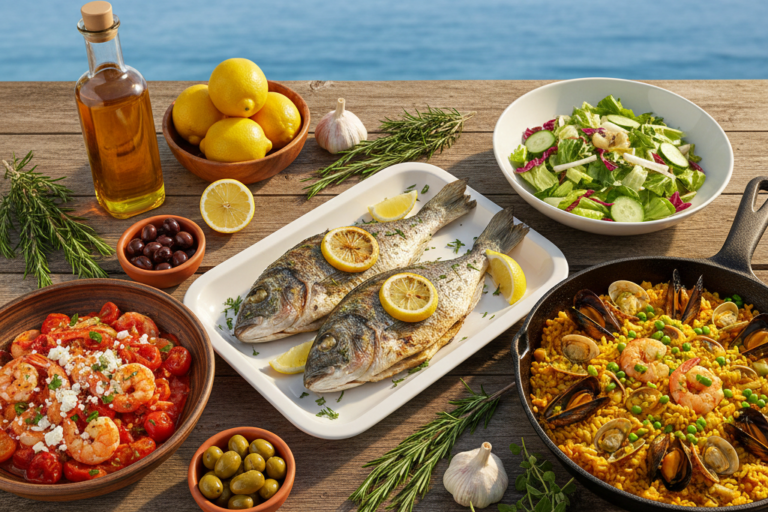
Medicines are a very important part of treating thyroid problems. But what you eat can also make a big difference. Studies show that the Mediterranean diet can be very helpful. This way of eating is full of whole grains, vegetables, fruits, beans, nuts, seeds, olive oil, and seafood. It has anti-inflammatory and antioxidant properties that can help reduce thyroid antibodies and improve how you feel [1].
Some of the most important nutrients for your thyroid are:
- Selenium: Helps turn the inactive thyroid hormone (T4) into the active form (T3). It also protects your thyroid from damage.
- Iodine: This is a key building block for your thyroid hormones.
- Zinc: Helps your body make thyroid hormones.
- Omega-3 fatty acids: Help lower inflammation in your body.
The Mediterranean diet is a natural source of all these important nutrients. Breakfast is a great time to start your day with foods that help your thyroid. Here are 10 delicious Mediterranean diet breakfast recipes, all made to support your thyroid health.
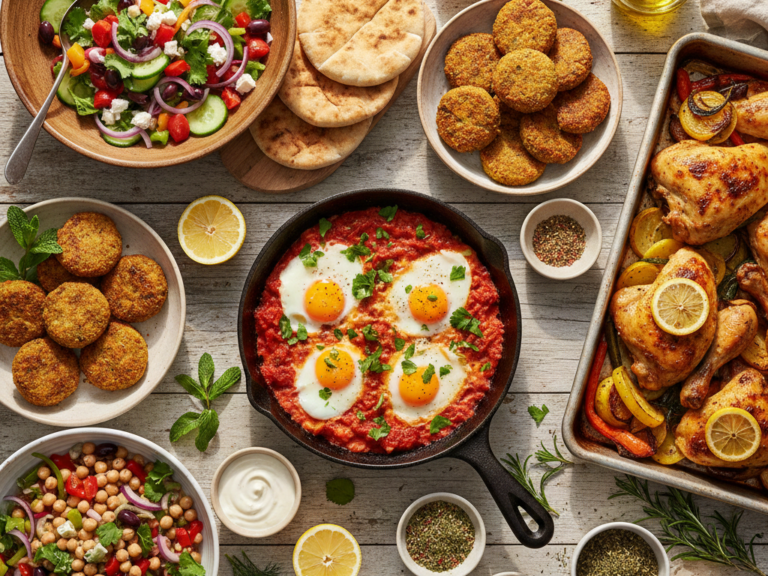
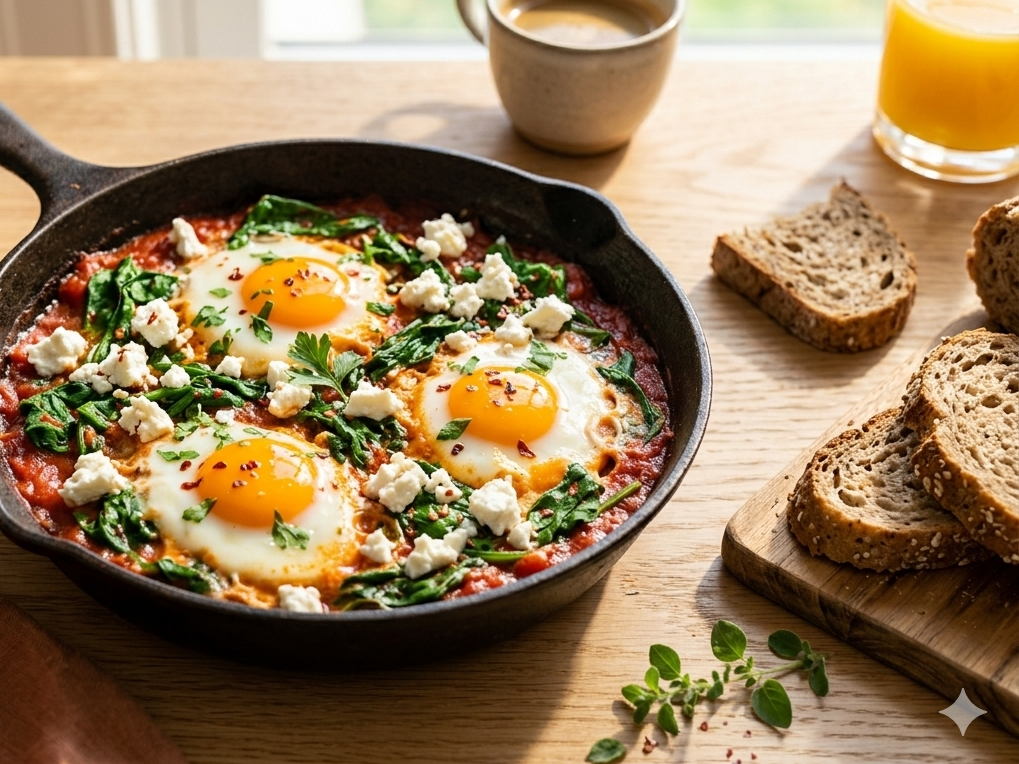
Recipe 1: Spinach and Feta Shakshuka
Thyroid Benefits: Eggs are one of the best foods for your thyroid. They give you both iodine and selenium in one ingredient. Spinach adds iron and B vitamins. Tomatoes have a powerful antioxidant called lycopene, which helps protect your thyroid. Feta cheese gives you a small amount of iodine from dairy.
Shakshuka is a classic dish from North Africa and the Middle East. It has a spiced tomato sauce with wilted greens and gently poached eggs. It is beautiful, satisfying, and cooks in just one pan.
Prep Time: 10 minutes | Cook Time: 25 minutes | Servings: 2 to 3
Ingredients:
- 1 tablespoon extra-virgin olive oil
- 1 medium onion, finely chopped
- 3 cloves garlic, minced
- 1 red bell pepper, diced
- 1 can (28 ounces) crushed tomatoes
- 2 cups fresh baby spinach
- 1/2 cup crumbled feta cheese
- 4 large eggs (pasture-raised are a great choice)
- 1 teaspoon smoked paprika
- 1/2 teaspoon ground cumin
- 1/4 teaspoon cayenne pepper (optional)
- Salt and freshly ground black pepper to taste
- Fresh flat-leaf parsley, roughly chopped, for garnish
- Whole-grain bread or whole-wheat pita, for serving
Instructions:
- Heat the olive oil in a large, deep skillet or cast-iron pan over medium heat. Add the onion and bell pepper. Cook, stirring now and then, until they soften and start to caramelize. This takes about 7 to 8 minutes.
- Add the garlic and cook for 1 more minute until it smells good. Stir in the smoked paprika, cumin, and cayenne pepper (if you are using it). Cook the spices for 30 seconds to bring out their flavor.
- Pour in the crushed tomatoes and stir well. Add a good amount of salt and pepper. Bring the sauce to a gentle simmer and cook for 10 minutes, stirring now and then, until it thickens a little.
- Add the fresh spinach and stir until it wilts into the sauce. This takes about 2 minutes.
- Use the back of a spoon to make four shallow wells in the tomato sauce. Carefully crack one egg into each well. Try to keep the yolks whole.
- Sprinkle the crumbled feta cheese over the whole pan. Cover the skillet with a lid and cook for 5 to 7 minutes. The egg whites should be fully set, but the yolks can still be soft and runny.
- Take the pan off the heat. Garnish with lots of fresh parsley and serve right away from the skillet with warm whole-grain bread for dipping.
Recipe 2: Greek Yogurt Parfait with Berries and Brazil Nuts
Thyroid Benefits: Plain Greek yogurt is a great source of iodine and protein. Both are important for making thyroid hormones. Brazil nuts are the very best source of selenium. Just two or three nuts can give you all the selenium you need in a day. Berries have lots of antioxidants to fight the stress that can hurt your thyroid. Chia seeds add omega-3s and fiber.
This parfait is one of the easiest thyroid-friendly breakfasts. You do not need to cook anything. It takes less than five minutes to put together. You can even make it the night before for a quick breakfast on the go. It is best to use full-fat or 2% plain Greek yogurt for the most nutrients and to keep you full.
Prep Time: 5 minutes | Cook Time: None | Servings: 1
Ingredients:
- 1 cup plain full-fat or 2% Greek yogurt
- 1/2 cup mixed fresh berries (like blueberries, strawberries, raspberries)
- 2 to 3 Brazil nuts, roughly chopped
- 1 tablespoon chia seeds
- 1 tablespoon raw pumpkin seeds (pepitas)
- 1 teaspoon raw honey or pure maple syrup (optional)
- A pinch of ground cinnamon
Instructions:
- Put half of the Greek yogurt in the bottom of a wide glass, jar, or bowl.
- Add half of the mixed berries over the yogurt. Then add half of the chopped Brazil nuts, half of the chia seeds, and half of the pumpkin seeds.
- Repeat the layers with the rest of the yogurt, berries, Brazil nuts, chia seeds, and pumpkin seeds.
- If you want, drizzle a little honey or maple syrup on top. Finish with a pinch of cinnamon.
- You can eat it right away. Or you can cover it and put it in the fridge overnight. The chia seeds will soak up moisture and make it even thicker.
Recipe 3: Smoked Salmon and Avocado Toast on Whole-Grain Bread
Thyroid Benefits: Smoked salmon is full of iodine and selenium, plus omega-3 fatty acids. Omega-3s help lower inflammation all over your body. Avocado gives you healthy monounsaturated fats. These fats help your body absorb fat-soluble vitamins, like vitamin D. Vitamin D is important for your immune system, especially with autoimmune thyroid problems. Whole-grain bread adds B vitamins and zinc.
This recipe takes a simple avocado toast and makes it a meal that really helps your thyroid. The creamy avocado, smooth smoked salmon, bright lemon, and fresh dill are a perfect combination. It tastes as good as it looks. For the best results, choose wild-caught smoked salmon. It usually has more omega-3s than farmed salmon.
Prep Time: 10 minutes | Cook Time: 5 minutes (for toasting) | Servings: 1 to 2
Ingredients:
- 2 slices of whole-grain or sourdough bread, toasted
- 1 ripe avocado, halved and pitted
- 3 ounces wild-caught smoked salmon
- 1 tablespoon fresh dill, finely chopped
- 1 tablespoon capers, drained
- 1/4 small red onion, very thinly sliced
- 1 teaspoon fresh lemon juice, plus lemon wedges for serving
- 1 teaspoon extra-virgin olive oil
- Freshly ground black pepper and a pinch of flaky sea salt
- Red pepper flakes (optional)
Instructions:
- Scoop the avocado flesh into a small bowl. Add the lemon juice, olive oil, a pinch of flaky sea salt, and some black pepper. Mash it with a fork. You can make it smooth or leave it a little chunky.
- Spread the mashed avocado evenly over each slice of toasted bread.
- Put the smoked salmon on top of the avocado, dividing it between the two slices.
- Scatter the capers and thinly sliced red onion over the salmon.
- Finish with a sprinkle of fresh dill, a pinch of red pepper flakes if you want, and an extra squeeze of lemon juice. Serve right away.
Recipe 4: Mediterranean Herb and Olive Omelette
Thyroid Benefits: Eggs are very nutrient-dense and give you iodine, selenium, and vitamin D. Kalamata olives have polyphenols and healthy monounsaturated fats. Bell peppers are full of vitamin C. Vitamin C helps your body absorb iron, which is important because not having enough iron can make it harder for your thyroid to work.
A good omelette is a key part of Mediterranean breakfasts. This one has bold flavors from the region. It has briny olives, tangy feta, sweet bell peppers, and fresh herbs. The secret to a perfect omelette is a good non-stick pan and patience. Do not rush.
Prep Time: 10 minutes | Cook Time: 10 minutes | Servings: 1
Ingredients:
- 2 large eggs (pasture-raised are best)
- 1 tablespoon whole milk or water
- 1/4 cup red or yellow bell pepper, finely diced
- 1/4 cup red onion, finely diced
- 1/4 cup crumbled feta cheese
- 2 tablespoons Kalamata olives, pitted and roughly chopped
- 1 tablespoon fresh flat-leaf parsley, finely chopped
- 1 teaspoon fresh oregano leaves (or 1/4 teaspoon dried oregano)
- 1 teaspoon extra-virgin olive oil
- Salt and freshly ground black pepper to taste
Instructions:
- In a small bowl, whisk the eggs with the milk or water until they are well combined and a little frothy. Add a little salt and pepper.
- Heat the olive oil in a small non-stick skillet over medium heat. Add the bell pepper and red onion. Cook, stirring, for 3 to 4 minutes until they soften. Move them to a small plate.
- Turn the heat down to medium-low. Pour the egg mixture into the same skillet. As the edges start to set, use a spatula to gently push them toward the center. Tilt the pan so the uncooked egg can flow to the edges.
- When the egg is mostly set but still a little shiny on top, scatter the cooked vegetables, feta cheese, olives, parsley, and oregano over one half of the omelette.
- Fold the plain half over the filled half. Cook for another 30 to 60 seconds. Then slide it onto a plate and serve right away.
Recipe 5: Savory Oatmeal with Sautéed Mushrooms and a Poached Egg
Thyroid Benefits: Rolled oats are a whole grain. They give you B vitamins, zinc, and selenium. These all help with thyroid hormone metabolism and energy. Mushrooms, like cremini or shiitake, are one of the few plant foods with vitamin D. Vitamin D is important for your immune system. The poached egg adds more selenium and iodine.
Savory oatmeal might sound strange, but it is very satisfying and more nutritious than sweet oatmeal with sugar. If you think of oats more like a grain bowl, you can make a warm, savory, and umami-rich breakfast that is great for your thyroid. Cooking the oats in vegetable broth instead of water adds a lot of flavor.
Prep Time: 5 minutes | Cook Time: 15 minutes | Servings: 1
Ingredients:
- 1/2 cup old-fashioned rolled oats
- 1 cup low-sodium vegetable broth (or water)
- 1 cup cremini or shiitake mushrooms, thinly sliced
- 1 clove garlic, minced
- 1 large egg
- 1 teaspoon extra-virgin olive oil
- 1 teaspoon white vinegar (for poaching the egg)
- 1 tablespoon fresh thyme leaves, or 1/4 teaspoon dried thyme
- 1 tablespoon freshly grated Parmesan cheese (optional)
- Salt and freshly ground black pepper to taste
- A drizzle of extra-virgin olive oil, to finish
Instructions:
- Bring the vegetable broth to a boil in a small saucepan. Add the oats and a pinch of salt. Turn the heat down to medium-low and cook, stirring now and then, for 5 to 7 minutes. The oats should be creamy and have soaked up most of the liquid. If you are using it, stir in the Parmesan cheese.
- While the oats cook, heat the olive oil in a small skillet over medium-high heat. Add the mushrooms in a single layer. Let them cook without stirring for 3 to 4 minutes so they can brown. Toss them and cook for another 2 minutes. Add the garlic and thyme and cook for 1 more minute. Add salt and pepper and take the skillet off the heat.
- To poach the egg, fill a small saucepan with about 3 inches of water and bring it to a gentle simmer. Add the white vinegar. Crack the egg into a small cup. Swirl the water gently with a spoon, then carefully slide the egg into the center of the swirl. Cook for 3 to 4 minutes for a runny yolk. Take it out with a slotted spoon and drain it on a paper towel.
- Put the savory oatmeal in a bowl. Top it with the sautéed mushrooms and the poached egg. Drizzle with a little extra-virgin olive oil, add some black pepper, and serve right away.
Recipe 6: Sardine and Avocado Mash on Whole-Grain Toast
Thyroid Benefits: Sardines are one of the best foods you can eat for your thyroid. A small can has a lot of selenium, iodine, omega-3s, vitamin D, and vitamin B12. They are also good for the environment and easy on your wallet. Paired with avocado’s healthy fats and whole-grain bread’s zinc and B vitamins, this toast is packed with thyroid help.
Sardines have been a staple food in Mediterranean countries like Portugal, Spain, and Italy for a long time. Their strong, savory flavor goes great with creamy avocado and bright lemon. If you have never tried sardines, look for a good brand packed in extra-virgin olive oil. They will have the mildest and best flavor.
Prep Time: 5 minutes | Cook Time: 2 minutes (for toasting) | Servings: 1
Ingredients:
- 1 can (3.75 ounces) wild-caught sardines in extra-virgin olive oil, drained
- 1/2 ripe avocado
- 1 tablespoon red onion, very finely minced
- 1 teaspoon fresh lemon juice
- 1 teaspoon capers, drained and roughly chopped (optional)
- 1 teaspoon fresh flat-leaf parsley, finely chopped
- 1 to 2 slices of whole-grain or rye bread, toasted
- Salt and freshly ground black pepper to taste
- A pinch of red pepper flakes (optional)
Instructions:
- In a small bowl, put the drained sardines and the avocado. Use a fork to mash them together. You want a chunky mash, not a smooth paste.
- Stir in the minced red onion, lemon juice, capers (if you are using them), and fresh parsley. Add salt, pepper, and red pepper flakes if you want.
- Spread the sardine and avocado mash generously over the toasted bread. Serve right away with extra lemon wedges on the side.
Recipe 7: Quinoa Breakfast Bowl with Almonds, Apricots, and Cinnamon
Thyroid Benefits: Quinoa is a complete protein, so it has all the amino acids your body needs. It is a great plant-based start for a thyroid-friendly breakfast. It also gives you zinc, selenium, and iron. Almonds have vitamin E, which is an antioxidant that helps protect your thyroid. They also have magnesium, which helps many processes in your body. Dried apricots give you iron and beta-carotene. Cinnamon helps keep your blood sugar steady, which is important for people with hypothyroidism.
This warm quinoa bowl is like a cross between a grain bowl and a porridge. It is as comforting as oatmeal but has a better amino acid profile. It is naturally gluten-free, which is great for people with Hashimoto’s who might also have gluten sensitivity.
Prep Time: 5 minutes | Cook Time: 10 minutes | Servings: 1
Ingredients:
- 1/2 cup cooked quinoa (cook it according to package directions; you can make it ahead)
- 1/2 cup unsweetened almond milk (or oat milk)
- 1/4 cup raw almonds, roughly chopped
- 3 dried apricots, thinly sliced
- 1/2 teaspoon ground cinnamon
- 1/4 teaspoon pure vanilla extract
- 1 teaspoon raw honey or pure maple syrup (optional)
- 1 tablespoon pumpkin seeds (pepitas), for topping
- A small handful of fresh blueberries or raspberries, for topping
Instructions:
- In a small saucepan, put the cooked quinoa and almond milk over medium heat. Stir well and heat until it is warm and the quinoa has soaked up most of the milk. This takes about 3 to 5 minutes.
- Take it off the heat and stir in the cinnamon, vanilla extract, and honey or maple syrup if you are using it.
- Put the quinoa in a bowl. Top it with the chopped almonds, sliced dried apricots, pumpkin seeds, and fresh berries.
- Serve warm. You can keep leftovers in the fridge for up to two days. Reheat them with a splash of almond milk.
Recipe 8: Menemen (Turkish Scrambled Eggs with Tomatoes and Peppers)
Thyroid Benefits: Menemen is a traditional breakfast dish that is also very good for your thyroid. Eggs give you iodine and selenium. Tomatoes have lycopene and vitamin C. Bell peppers are very high in vitamin C. One green pepper can have more than twice the vitamin C you need in a day. Vitamin C helps you absorb iron and supports your immune system. Extra-virgin olive oil has a compound called oleocanthal, which has anti-inflammatory properties.
Menemen is a very popular breakfast dish in Turkey and the Eastern Mediterranean. It is different from Western scrambled eggs, which are cooked fast over high heat. Menemen is cooked low and slow. This makes the eggs silky and creamy, and they soak up all the flavor from the vegetables. It is usually served with crusty bread for scooping.
Prep Time: 10 minutes | Cook Time: 20 minutes | Servings: 2
Ingredients:
- 2 tablespoons extra-virgin olive oil
- 1 medium onion, finely chopped
- 1 green bell pepper, finely diced
- 1 red bell pepper, finely diced
- 3 medium ripe tomatoes, finely chopped (or 1 cup canned diced tomatoes, drained)
- 4 large eggs, lightly beaten
- 1/2 teaspoon dried oregano
- 1/4 teaspoon red pepper flakes (or more to taste)
- Salt and freshly ground black pepper to taste
- 1/4 cup crumbled feta cheese, for garnish
- Fresh flat-leaf parsley, roughly chopped, for garnish
- Warm whole-wheat pita or crusty whole-grain bread, for serving
Instructions:
- Heat the olive oil in a medium skillet over medium heat. Add the onion and cook, stirring often, until it softens and becomes see-through. This takes about 5 to 6 minutes.
- Add the green and red bell peppers. Cook for another 5 minutes until they soften. Add salt, pepper, oregano, and red pepper flakes.
- Add the chopped tomatoes and stir to mix. Cook over medium heat, stirring now and then, until the tomatoes break down and make a thick, saucy mixture. This takes about 8 to 10 minutes.
- Turn the heat down to medium-low. Pour the beaten eggs over the tomato mixture. Use a wooden spoon or silicone spatula to stir gently and slowly, folding the eggs into the sauce. Keep stirring until the eggs are just set but still look a little underdone. They will keep cooking from the heat of the pan.
- Take the skillet off the heat right away and move the menemen to a serving dish. Garnish with crumbled feta and fresh parsley. Serve right away with warm bread.
Recipe 9: Overnight Chia Seed Pudding with Almond Milk and Mixed Berries
Thyroid Benefits: Chia seeds are a great plant-based source of omega-3 fatty acids (ALA). Omega-3s help lower the chronic inflammation that comes with autoimmune thyroid conditions. Chia seeds also have fiber, calcium, and magnesium. Almond milk adds vitamin E. The mixed berries have many different antioxidants, like anthocyanins and vitamin C, that help protect your thyroid.
Overnight chia pudding is the best make-ahead thyroid-friendly breakfast. You make it the night before. No cooking is needed. It is ready to eat as soon as you open the fridge in the morning. The chia seeds soak up the almond milk and swell into a thick, tapioca-like pudding. You can change it up in many ways, and it travels well in a sealed jar.
Prep Time: 5 minutes | Refrigeration Time: At least 4 hours, ideally overnight | Servings: 1 to 2
Ingredients:
- 3 tablespoons chia seeds
- 1 cup unsweetened almond milk (or coconut milk for a richer texture)
- 1/2 teaspoon pure vanilla extract
- 1 teaspoon raw honey or pure maple syrup (optional)
- 1/2 cup mixed fresh or frozen berries (blueberries, raspberries, strawberries)
- 2 tablespoons chopped walnuts or almonds
- 1 tablespoon unsweetened coconut flakes (optional)
- A pinch of ground cinnamon
Instructions:
- In a mason jar or a container with a lid, mix the chia seeds, almond milk, vanilla extract, and honey or maple syrup if you are using it. Whisk or stir very well.
- Let the mixture sit at room temperature for 10 minutes. Then stir it again to break up any clumps of chia seeds that might have settled.
- Put the lid on the jar and put it in the fridge for at least 4 hours, but overnight is best. The pudding will set into a thick, creamy consistency.
- When you are ready to eat, give the pudding a stir. If it is too thick, add a splash of almond milk and stir to loosen it up. Top it with the mixed berries, chopped nuts, coconut flakes, and a pinch of cinnamon.
- The pudding can be stored in the fridge for up to 3 days. This makes it great for making a batch at the start of the week.
Recipe 10: Sweet Potato and Bell Pepper Hash with Baked Eggs
Thyroid Benefits: Sweet potatoes are full of beta-carotene, which your body turns into vitamin A. They also have vitamin C and potassium. Vitamin A is very important for your thyroid hormone receptors to work right. Not having enough vitamin A can make it hard for your thyroid to work. Bell peppers add even more vitamin C to this dish. The eggs give you the iodine and selenium to round out this hearty meal.
This colorful, one-pan hash is perfect for a weekend breakfast. It looks as good as it is healthy. The sweet potatoes get caramelized in the skillet. They get a little crispy on the outside and stay tender inside. Baking the eggs right in the hash keeps everything together and makes cleanup easier.
Prep Time: 10 minutes | Cook Time: 25 minutes | Servings: 2
Ingredients:
- 1 large sweet potato (about 300g), peeled and cut into 1/2-inch cubes
- 1 red bell pepper, diced
- 1 yellow bell pepper, diced
- 1/2 medium red onion, diced
- 2 cloves garlic, minced
- 2 tablespoons extra-virgin olive oil
- 1/2 teaspoon smoked paprika
- 1/4 teaspoon ground cumin
- 1/4 teaspoon dried thyme
- 4 large eggs
- Salt and freshly ground black pepper to taste
- Fresh flat-leaf parsley or chives, chopped, for garnish
- Crumbled feta cheese, for garnish (optional)
Instructions:
- Heat the olive oil in a large oven-safe skillet over medium-high heat. Add the sweet potato cubes and cook, stirring now and then, for 8 to 10 minutes. They should start to soften and get golden-brown edges.
- Add the red onion and bell peppers to the skillet. Cook for another 5 minutes, stirring now and then, until the vegetables are tender. Add the garlic and cook for 1 minute more.
- Season the hash with smoked paprika, cumin, thyme, salt, and pepper. Stir well so all the vegetables are coated with the spices.
- Turn the heat down to medium-low. Use the back of a spoon to make four shallow wells in the hash. Carefully crack one egg into each well. Try to keep the yolks whole.
- Cover the skillet with a lid and cook for 4 to 6 minutes. The egg whites should be fully set, and the yolks should be cooked how you like them.
- Garnish with fresh parsley or chives and crumbled feta, if you are using it. Serve right away from the skillet.
A Note on Thyroid-Friendly Eating Principles
All ten of these recipes are made to help your thyroid. But there are a few other things to keep in mind.
Some vegetables, like broccoli, kale, and cauliflower, have compounds called goitrogens. In very large amounts, they might interfere with thyroid hormone production. But cooking these vegetables lowers the goitrogens a lot. This makes them safe and healthy for most people with thyroid conditions [1]. If you do not get enough iodine, you might want to be more careful about eating raw cruciferous vegetables. But for most people, eating them cooked is a great choice.
It is also very important to know that thyroid medicine, like levothyroxine, should be taken on an empty stomach. You should wait at least 30 to 60 minutes before eating. This helps your body absorb the medicine properly. Some foods, like those high in fiber, calcium-rich dairy, and coffee, can affect how well your medicine is absorbed if you eat them too close to when you take it. Always talk to your doctor or a dietitian for advice that is right for you.
Conclusion
The Mediterranean diet is a delicious and healthy way to eat that can really help your thyroid. By making breakfasts with whole grains, eggs, seafood, beans, nuts, seeds, and lots of vegetables, you can get the selenium, iodine, zinc, omega-3s, and antioxidants your thyroid needs. The ten recipes in this article show how varied and tasty a Mediterranean breakfast can be. From a quick chia pudding to a slow weekend shakshuka, each meal is a step toward feeling more nourished and energized.
As with any big change in what you eat, especially if you have a thyroid condition, it is always a good idea to talk to your doctor or a registered dietitian first.