10 Foot Symptoms That Could Mean Nerve Damage
Nerve damage has a medical name. It is called peripheral neuropathy. This condition affects the nerves that are outside of your brain and spinal cord. These nerves are called your peripheral nerves. They have a very important job. They send sensory information, like touch and pain, from your body up to your brain. They also control how your muscles move.
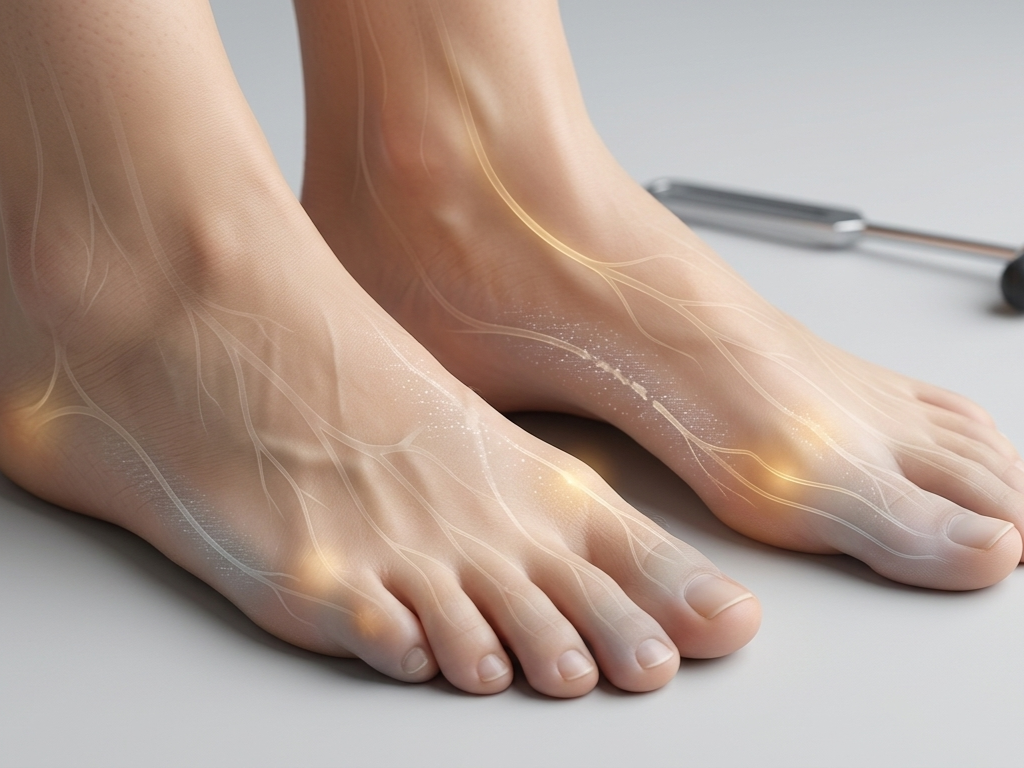
When these nerves get damaged, it can cause many different symptoms. These symptoms can be uncomfortable and sometimes even disabling. The feet are often the first place where these symptoms show up. This is because the longest nerves in your body go all the way down to your toes. They are more exposed and more likely to be damaged [1].
Many different things can cause peripheral neuropathy. It can be from a physical injury, an infection, problems with your metabolism, or being exposed to toxins. But by far, the most common cause is diabetes [2]. Learning to spot the early signs of nerve damage in your feet is very important. If you catch it early and see a doctor, you can manage the symptoms and stop more serious problems from happening. Here are ten common foot symptoms that could mean you have nerve damage.
1. Numbness, Tingling, or a “Pins and Needles” Sensation
This is one of the most common early signs of peripheral neuropathy. You might notice a slow loss of feeling, or a tingling that people often describe as “pins and needles” [3]. This feeling usually starts in your toes. Over time, it can slowly spread up into your legs.
Why does this happen? The damaged sensory nerves start to misfire. They send strange signals to your brain that are not based on real touch. Some people describe this feeling as if they are wearing a sock that is not really there [1].
2. Burning or Sharp, Stabbing Pains
Neuropathic pain is a major sign of peripheral neuropathy. It can feel very different from regular pain. People often describe it as a sharp, jabbing, throbbing, or burning feeling in their feet [1]. This pain is often worse at night. It can make it very hard to get a good night’s sleep [4]. This pain happens because the damaged nerves are not working right. They are sending incorrect pain signals to the brain, even when there is no injury.
3. Extreme Sensitivity to Touch (Allodynia)
Allodynia is a medical term for a strange condition. It means that you feel pain from something that should not normally hurt [4]. For example, if you have peripheral neuropathy in your feet, you might feel a lot of pain from the light pressure of a bedsheet on your toes. Even a gentle touch can be painful. This is a clear sign that your sensory nerves are not doing their job correctly.
4. Loss of Sensation to Temperature and Pain
While some damaged nerves become too sensitive, other nerves can stop working altogether. This means you lose the ability to feel things. You might not be able to feel temperature changes or pain in your feet [5]. This can be very dangerous.
For example, you might step on a sharp object and not feel it. You might not realize your bathwater is too hot and could burn your feet. Because you cannot feel pain, you might not notice an injury. This greatly increases your risk of getting cuts, sores, and wounds on your feet [1].
5. Muscle Weakness and “Foot Drop”
When the nerves that control your muscles are damaged, it can cause weakness. This is often noticeable in the feet and legs. You might have trouble lifting the front part of your foot. This is a condition called foot drop [5]. It can make you drag your toes on the ground when you walk, which might make you trip. Over time, if the nerve damage is severe, the muscles can start to shrink. This is called muscle atrophy [2].
6. Loss of Balance and Coordination
Your nerves do more than just feel touch and control movement. They also give you a sense of where your body is in space. This is called proprioception. Damaged nerves in your feet can mess up this sense. You might not be able to feel the ground beneath you properly. You might not know exactly where your feet and ankles are positioned. This leads to a loss of balance and coordination [1]. Walking can become difficult, and your risk of falling goes up, especially in the dark when you cannot use your eyes to help [2].
7. Changes in Foot Shape (Deformities)
In advanced cases of peripheral neuropathy, the combination of muscle weakness and loss of sensation can lead to changes in the shape of your feet. One very serious example is called Charcot foot. In this condition, the bones in your foot and ankle become weak. They can even fracture or pop out of place from a very minor injury [6]. This can cause the arch of your foot to collapse, giving the bottom of your foot a curved, “rocker-bottom” look. Other problems, like hammertoes, can also happen because the muscles in your feet are out of balance [7].
8. Slow-Healing Sores or Ulcers
When you have numbness and also poor circulation, you are at high risk for getting foot ulcers. An ulcer is a deep, slow-healing sore. Because you cannot feel pain well, you might not notice a minor injury. For example, a blister from a shoe that does not fit right could go unnoticed. It can then get worse and become infected. These wounds heal very slowly. For people with diabetes, foot ulcers are a very serious problem. They can lead to severe infections and, in the worst cases, amputation [8].
9. Changes in Skin and Nails
Nerve damage can affect the nerves that control things you do not think about, like sweating. These are called autonomic nerves. When they are damaged, it can change the skin on your feet. It might become very dry and cracked [9]. Your toenails might also change. They can become thick, brittle, and change color. These changes happen because the normal, automatic functions that keep your skin and nails healthy are not working right.
10. Autonomic Symptoms: Sweating Changes
As mentioned, damage to the autonomic nerves can mess up how your body controls temperature through sweating. This can cause two different problems in your feet. You might sweat too much, which is called hyperhidrosis. Or you might not sweat enough, which is called anhidrosis [5]. Both of these changes can make other skin problems worse and add to your discomfort.
When to See a Doctor
If you notice any of these symptoms, it is important to see a doctor. The sooner you get a diagnosis, the sooner you can start treatment. Early treatment can help manage your symptoms. It can also slow down how fast the condition gets worse and help prevent serious problems.
Your doctor will do a physical exam and ask about your health history. They might also order special tests to check your nerve function. These tests can include nerve conduction studies or an electromyography (EMG) [8]. If you have diabetes, it is even more important to pay attention to your feet and report any changes to your doctor right away.