10 Signs Your Hair Is Reacting to a Hormone Imbalance
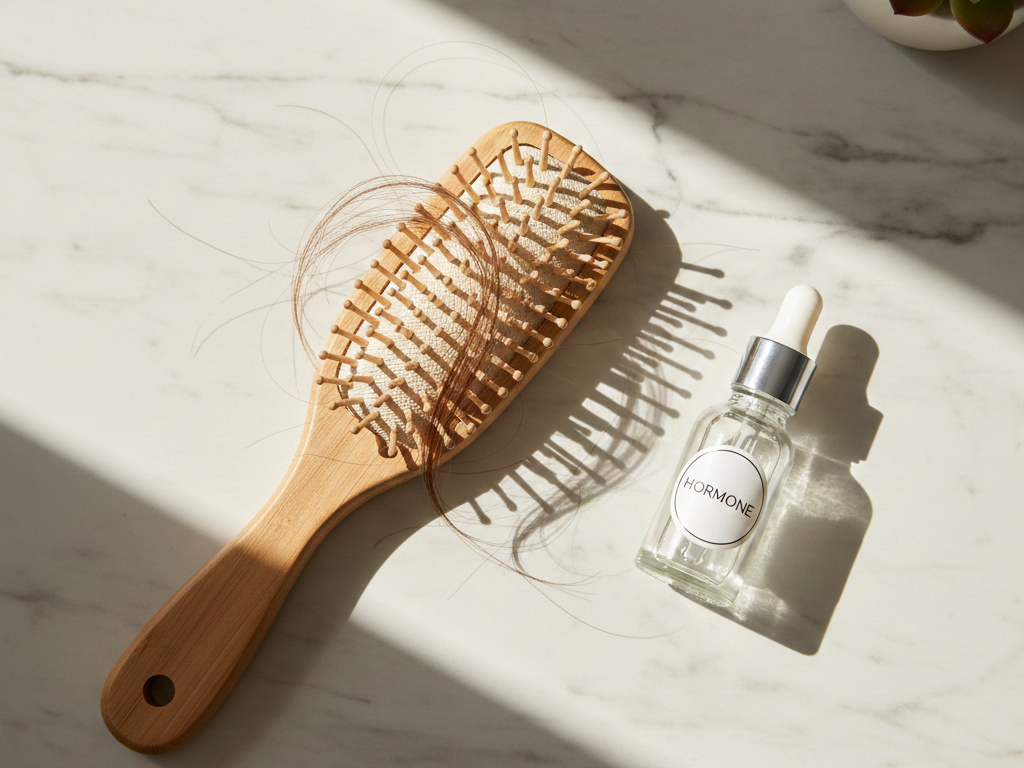
Have you noticed your hair looking different lately? Maybe it is falling out more than usual. Perhaps it feels dry or looks thin. Your hair is often the first part of your body to show that something is wrong inside.
Your body has special chemicals called hormones. These hormones are like tiny messengers. They control almost everything your body does. When your hormones are balanced and happy, your hair usually grows strong and thick. But when your hormones are out of balance, your hair lets you know.
Here are 10 clear signs that your hair problems might be caused by a hormone imbalance. We will also explain what might be happening inside your body.
1. Sudden Hair Thinning at the Crown
Do you notice more of your scalp showing on the top of your head? This is often called thinning at the crown. You might see it most along the part in your hair. This is a very common sign of hormone issues.
This type of thinning is often linked to hormones called androgens. Both men and women have androgens. When these levels change, especially a type called DHT, it can make your hair follicles get smaller. Hair follicles are the tiny holes where your hair grows. When they shrink, your hair becomes thinner.
Common triggers for this type of hair loss include:
- PCOS: This is a condition that affects a woman’s hormones.
- Perimenopause: This is the time leading up to menopause when a woman’s body changes.
- Chronic stress: This means being stressed out for a long time.
- Insulin resistance: This is when your body has trouble using sugar for energy.
This thinning usually happens slowly. But once you see it, it is hard to ignore.
2. Excessive Shedding in the Shower
Do you look at the drain after a shower and see a big clump of hair? This can be scary. But it is also a strong clue.
Hormone changes can push your hair into a “resting” phase too early. This is a condition doctors often call telogen effluvium. Normally, hair grows for a long time before it rests and falls out. Hormones can mess up this cycle.
This kind of shedding is often triggered by:
- Postpartum hormone shifts: This happens after a woman has a baby.
- Thyroid dysfunction: This is when your thyroid gland does not work right.
- Rapid weight loss: Losing a lot of weight very fast.
- High cortisol levels: Cortisol is a main stress hormone.
The big clue here is that the shedding happens all over your head. It is not just in one spot.
3. Hair Becoming Noticeably Dry or Brittle
Does your hair suddenly feel like straw? Is it dry and breaks easily? This might happen even if you have not changed your shampoo or conditioner. If so, hormones could be the reason.
Low estrogen levels can cause this. Estrogen is a main hormone in women. It is often low during perimenopause or menopause. When estrogen drops, your scalp makes less natural oil. This oil usually keeps your hair soft.
Less oil leaves your hair:
- Drier
- More fragile (easier to break)
- More prone to breakage
Sometimes, dry hair is not about damage from the sun or heat tools. Sometimes, the problem starts inside your body.
4. Thinning Along the Temples
Take a look at the hair near your temples. These are the areas on the sides of your forehead. If the hair is getting thinner there, it might be tied to your thyroid.
Your thyroid is a small gland in your neck. It makes hormones that control your metabolism. Metabolism is how your body uses energy. When thyroid hormones are low, the hair growth cycle slows down.
This makes hair become finer. It often thins along the outer eyebrows and the temples. At first, it is hard to notice. But over time, you might see that your hairline looks different.
5. Slower Hair Growth Than Usual
Does your hair used to grow fast? Now, does it feel like it stays the same length for months? Hormones might be slowing down the growth phase. This phase is called the anagen phase.
This can happen because of:
- Low thyroid function
- Chronic stress
- Not eating enough calories
- Low iron levels (this often happens with hormone issues)
When hormones shift, your hair does not always just fall out. Sometimes, it just stops growing well.
6. Increased Facial Hair Alongside Scalp Thinning
This next sign is a classic red flag for hormone problems. It is a specific combination of changes.
If you notice:
- More hair growing on your chin or jawline
- Thicker hair on your upper lip
- And at the same time, your scalp hair is getting thinner
This often means you have high levels of androgens. Androgens are the “male” type hormones that everyone has. A condition like PCOS often presents with these exact symptoms.
It can be frustrating to deal with. But it is also very helpful for figuring out what is wrong.
7. Hair Loss After Stopping Birth Control
Birth control pills work by changing your natural hormone cycles. They send messages to your body to stop its normal rhythm. When you stop taking the pill, your body has to recalibrate. It has to learn how to run its own hormone cycle again.
For some women, this big shift can trigger hair shedding. This often happens about 2 to 4 months after stopping the pill.
This does not happen to everyone. But if it does happen, it is usually temporary. The shedding should stop once your hormones find their new balance.
8. Noticeable Hair Changes During Perimenopause
Perimenopause is the time before menopause. It is a time of big change for a woman’s body. You might think of hot flashes or mood swings. But perimenopause also affects your hair a lot.
During this time, estrogen and progesterone levels go up and down. These changes can:
- Make hair thin out
- Change the texture of your hair (straight hair might get curly, for example)
- Increase frizz
- Reduce volume
Even women who have always had very thick hair can be surprised by these changes during perimenopause.
9. Hair Falling Out in Clumps During Stressful Periods
Stress is not just in your head. It is a physical thing. When you are stressed, your body makes a hormone called cortisol. High cortisol levels can disrupt your other hormones, like thyroid hormones.
The result is that more of your hair enters the resting phase. Then, it all falls out at once. The tricky part is the timing. The shedding often starts 2 to 3 months after the stressful event happened.
For example, you might have a very stressful month at work or school. You might feel fine a few weeks later. But then, two months after that, your hair starts falling out. That delay is what makes it so confusing.
10. Hair Loss Paired with Fatigue, Weight Changes, or Irregular Cycles
This last sign is the biggest clue of all. If your hair is changing, and you also have other symptoms, it is almost certainly hormones.
Look for these signs happening with your hair loss:
- Unexplained fatigue: Feeling very tired for no reason.
- Weight gain or loss: Gaining or losing weight without trying.
- Irregular periods: For women, periods that do not come on a schedule.
- Cold intolerance: Feeling cold when others are warm.
- Mood shifts: Feeling sad, anxious, or irritable more than usual.
If you have hair problems and any of these other issues, it is rarely just “bad luck.” It often points to a deeper hormone problem. This could be a thyroid imbalance, estrogen dominance, or insulin resistance.
Think of your hair as a messenger. It is telling you that something in your body needs attention. Your body is the full story, and your hair is just the first clue.
What To Do If You Suspect Hormones Are Affecting Your Hair
First, do not panic. This is very important.
Hormonal hair changes are very common. The good news is they are often reversible. That means your hair can grow back. But you have to fix the root issue. You have to find out why your hormones are out of balance.
Here is where to start. These are steps you can take to get answers.
1. Get the Right Lab Tests
You need to see a doctor. Ask for comprehensive labs. Do not just get the basic checkup. You need specific blood tests that look at hormones and related issues.
Ask your doctor for these tests:
- A full thyroid panel: This includes TSH, Free T3, and Free T4. These check how your thyroid is working.
- Ferritin: This checks your iron stores. Low iron can stop hair growth.
- Fasting insulin: This checks how your body manages blood sugar.
- Estrogen and progesterone: These are the main female hormones.
- Testosterone and DHEA: These are the main male hormones (androgens).
These tests will give you a clear picture of what is happening inside.
2. Support Your Blood Sugar Balance
Your blood sugar levels have a big impact on your hormones. When your blood sugar goes up and down too fast, it stresses your whole system. This stress can make hormone problems worse.
Try to eat balanced meals. Include protein, healthy fats, and fiber. This helps keep your blood sugar steady all day.
3. Prioritize Sleep
Sleep is not a luxury. It is a necessity for hormone health. Your body does most of its repair work while you sleep. This includes hormone repair.
Aim for 7 to 9 hours of good sleep every night. Go to bed and wake up at the same time to help your body’s natural rhythm.
4. Eat Enough Protein
This is a big one for hair. Your hair is made of a protein called keratin. If you do not eat enough protein, your body cannot build strong hair.
Make sure you eat protein at every meal. Good sources are eggs, chicken, fish, beans, and lentils.
5. Reduce Your Stress Load
We talked about how stress raises cortisol. High cortisol hurts your hair. You need to find ways to lower your stress.
This is not just about mental stress. It is also about physical stress. This means not over-exercising and getting enough rest. Find activities that help you relax. This could be walking, reading, listening to music, or deep breathing.
Final Thoughts
Your hair does not fall out for no reason. It is always reacting to something. If your hair texture, density, or shedding has changed, pay attention. It might be trying to tell you something important.
If you have tried everything and nothing makes sense, your hormones are worth investigating. You do not have to accept thinning or brittle hair as a normal part of getting older. It is not something you just have to live with.
Your body is talking to you. Sometimes, your hair speaks first. Listen to it, and then take the steps to find out why.