A Full 21-Day Mediterranean Diet Meal Plan for Beginners
The Mediterranean diet is a way of eating based on the traditional foods of countries around the Mediterranean Sea. It is more than just a diet. It is a lifestyle. This diet is famous for being healthy and easy to stick with.
Unlike many quick-fix diets, this one comes from real people who lived long, healthy lives. It is not about cutting out food groups. It is about enjoying a variety of tasty, whole foods.
Starting a new way of eating can feel hard. This 21-day plan is made for beginners. It will guide you step by step. You will learn how to cook new foods. Your taste buds will get used to new flavors. The plan helps you build good habits that can last a lifetime.
This diet is also about joy and community. In Mediterranean cultures, meals are a time to connect with family and friends. Food is to be enjoyed, not rushed. This plan will help you bring that feeling to your own table.
What Is the Mediterranean Diet?
At its heart, the Mediterranean diet is a pattern of eating. It is not a strict list of rules. Think of it like this:
- Base of Every Meal: Vegetables, fruits, whole grains, beans, nuts, and olive oil.
- Often Included: Fish and seafood.
- In Moderation: Chicken, eggs, cheese, and yogurt.
- Once in a While: Red meat and sweets.
This way of eating is backed by strong science. It helps your heart, your brain, and can help you manage your weight. The best part? The food is colorful, flavorful, and satisfying.
The Science Behind the Mediterranean Diet
Why do doctors and scientists love this diet? Because decades of research show it really works.
It all started with a big study in the 1960s. Researchers found that people in places like Greece and Italy had much lower rates of heart disease. This was surprising because they ate a good amount of fat. The key was the type of fat, healthy fats from olive oil, nuts, and fish.
The biggest proof came from a study called PREDIMED. People at risk for heart problems followed one of three diets. Two groups ate a Mediterranean diet with extra olive oil or nuts. The other group ate a low-fat diet.
The results were so good the study ended early. The Mediterranean diet groups had about 30% fewer heart attacks and strokes. This proved the power of this eating style.
How It Helps Your Body
Science shows this diet helps your body in many ways:
- Fights Inflammation: Chronic inflammation is linked to many diseases. The foods in this diet help calm inflammation.
- Protects Your Cells: Foods like olive oil and berries are full of antioxidants. These protect your cells from damage.
- Supports a Healthy Gut: The high fiber feeds good gut bacteria, which is great for your overall health.
- May Help You Live Longer: Some studies even suggest it can help protect the parts of your cells that are linked to aging.
The benefits come from the whole package of foods, eaten together over time.
Health Benefits of the Mediterranean Diet
Following this way of eating can lead to amazing health improvements.
Heart Health
This is the biggest and most proven benefit. The diet helps:
- Lower bad cholesterol and raise good cholesterol.
- Reduce high blood pressure.
- Keep blood vessels healthy and flexible.
This all adds up to a much stronger, healthier heart.
Blood Sugar and Diabetes
This diet is excellent for keeping your blood sugar stable.
- It helps your body use insulin better.
- It can lower the risk of getting type 2 diabetes.
- For people who already have diabetes, it helps manage the condition.
Brain Health
What you eat fuels your brain. This diet is like premium fuel.
- It is linked to better memory and sharper thinking as people age.
- It may lower the risk of Alzheimer’s disease and other dementias.
- Healthy fats from fish are like building blocks for your brain.
Weight Management
This is not a crash diet. It is a steady, healthy approach to weight.
- The fiber and healthy fats help you feel full and satisfied.
- You naturally eat fewer calories without feeling hungry.
- It helps you lose fat, especially around your belly, which is important for health.
Other Great Benefits
- Cancer Prevention: Some studies show it may lower the risk of certain cancers.
- Better Mood: Eating this way might help fight depression and anxiety.
- Stronger Bones and Muscles: The nutrients help keep your body strong as you get older.
The key is that all these foods work together. You get the benefits by enjoying the whole pattern of eating.
Getting Started: Basics for Beginners
Starting is easier than you think. Do not try to change everything overnight. Go slow and steady.
The Mediterranean Diet Pyramid
This pyramid is a simple picture guide. It shows what to eat most and what to eat less.
Bottom (Eat Most): Vegetables, fruits, whole grains, olive oil, beans, nuts, seeds, herbs, spices. Be active every day too!
Middle (Eat Regularly): Fish and seafood (2-3 times a week). Poultry, eggs, cheese, yogurt (in moderate portions).
Top (Eat Less): Red meat and sweets (only a few times a month).
On the Side: Wine can be enjoyed in moderation with meals, if you choose to drink.
Your First Steps
- Week 1 Goal: Add one more vegetable to your lunch and dinner.
- Week 2 Goal: Start using olive oil instead of butter or other oils.
- Week 3 Goal: Try having fish twice this week.
See? Small, simple steps. This is how you build lasting habits.
Setting Up Your Kitchen
You do not need fancy tools. But a few basics help:
- A good chef’s knife for chopping veggies.
- A large skillet for cooking.
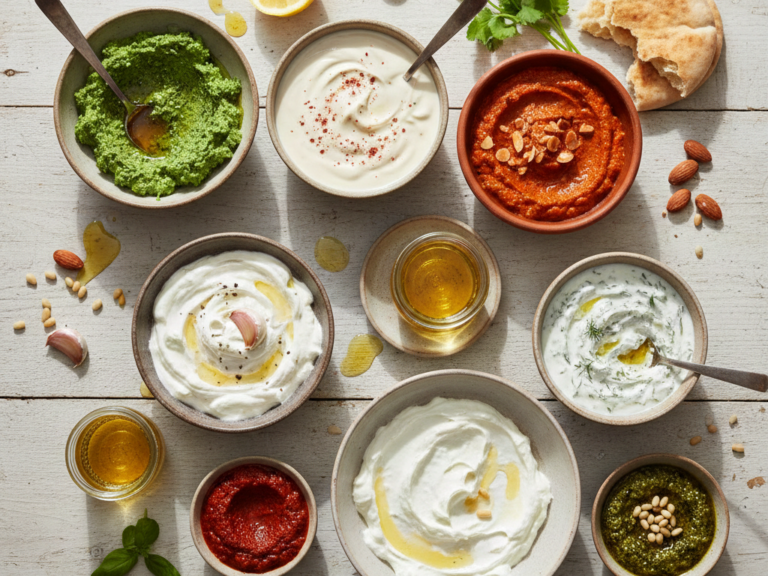
- A food processor or blender for making sauces and dips.
- Glass containers to store prepped food.
Essential Foods and Ingredients
Let us talk about the superstar foods you will be eating.
Olive Oil: This is the main fat. Use extra virgin olive oil for dressing salads and cooking at low or medium heat. It has a delicious flavor and is full of healthy compounds.
Vegetables: Eat a rainbow! Tomatoes, leafy greens (like spinach), bell peppers, zucchini, eggplant, onions, and carrots. Try to fill half your plate with vegetables.
Fruits: Enjoy fruit for dessert or snacks. Oranges, grapes, berries, figs, and apples are all great choices.
Whole Grains: Choose brown rice, quinoa, farro, bulgur, and whole-grain bread or pasta. These give you long-lasting energy.
Legumes (Beans): These are plant-powered protein! Chickpeas (for hummus!), lentils, white beans, and black beans are filling and healthy.
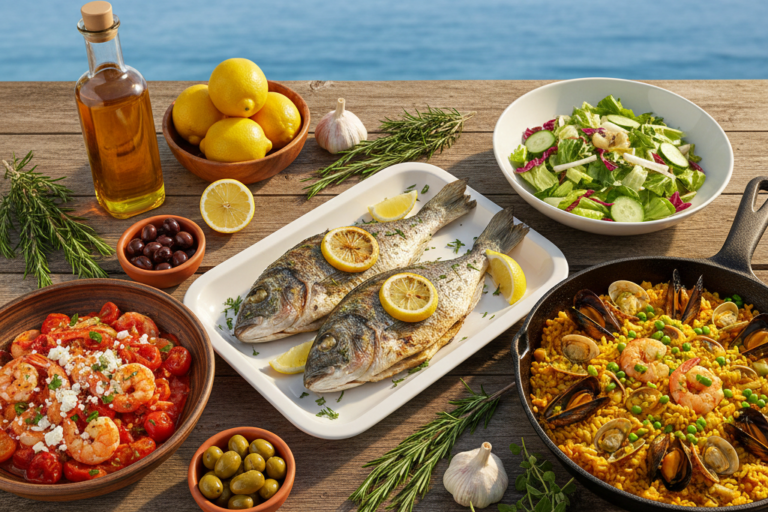
Fish and Seafood: Aim for fish twice a week. Salmon, sardines, tuna, cod, and shrimp are excellent. They have healthy omega-3 fats for your heart and brain.
Nuts and Seeds: A small handful makes a great snack. Almonds, walnuts, pine nuts, and sesame seeds (in tahini) add crunch and good fats.
Herbs and Spices: Use these instead of lots of salt! Basil, oregano, rosemary, thyme, garlic, and parsley make food taste amazing.
Dairy: Enjoy Greek yogurt, feta cheese, and Parmesan cheese in moderate amounts. They add protein and flavor.
The 21-Day Mediterranean Diet Meal Plan
Welcome to your day-by-day guide. This plan is designed to be easy and delicious. It slowly introduces you to new flavors and cooking styles. Remember, it’s a guide, you can swap similar foods if you need to!
How the Plan Works:
- Each Day Includes: Breakfast, a morning snack, lunch, an afternoon snack, and dinner.
- Drink Lots of Water: Stay hydrated throughout the day.
- Portions: These are guides for an average adult. Listen to your body’s hunger cues.
- Meal Prep: Weekends are great for preparing grains, chopping veggies, or making dressings to save time during the week.
Week 1: Days 1-7 – Getting Comfortable
This week focuses on simple, familiar foods prepared the Mediterranean way.
Day 1
- Breakfast: Greek yogurt with fresh berries and a sprinkle of walnuts.
- Morning Snack: An orange.
- Lunch: Chickpea salad with cucumber, tomato, red onion, and lemon-olive oil dressing.
- Afternoon Snack: Carrot and bell pepper sticks with hummus.
- Dinner: Baked lemon-herb salmon with roasted broccoli and a side of quinoa.
Day 2
- Breakfast: Omelet with spinach and tomatoes, cooked in olive oil.
- Morning Snack: A small handful of almonds.
- Lunch: Leftover chickpea salad from Day 1.
- Afternoon Snack: Apple slices.
- Dinner: Whole-wheat pasta with a quick tomato sauce (canned tomatoes, garlic, olive oil, basil) and a side salad.
Day 3
- Breakfast: Overnight oats made with milk, Greek yogurt, and chia seeds. Top with peaches in the morning.
- Morning Snack: Greek yogurt with a drizzle of honey.
- Lunch: Tuna salad (made with olive oil, not mayo) wrapped in a whole-wheat tortilla with lettuce.
- Afternoon Snack: A handful of olives.
- Dinner: Baked chicken breast seasoned with oregano and lemon, served with roasted sweet potato and green beans.
Day 4
- Breakfast: Whole-wheat toast with mashed avocado and sliced tomato.
- Morning Snack: A pear.
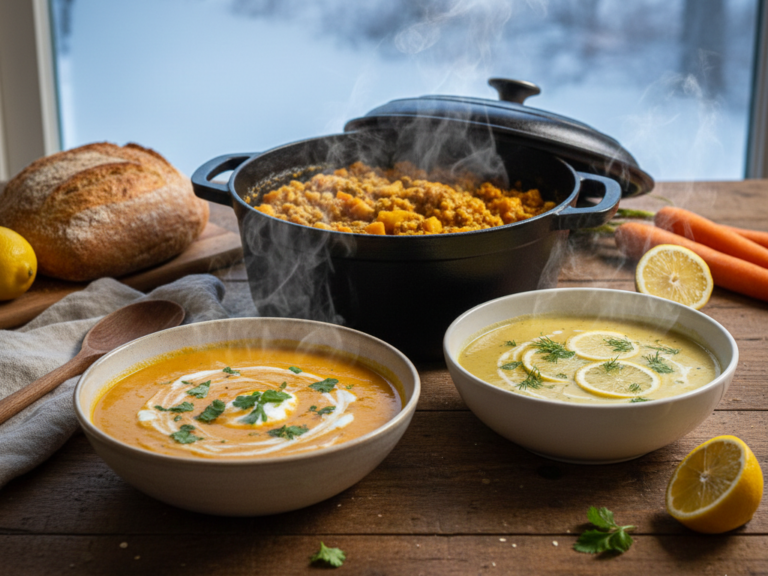
- Lunch: Hearty lentil soup (canned is fine!) with a slice of whole-grain bread.
- Afternoon Snack: A piece of cheese (like part-skim mozzarella).
- Dinner: Shrimp sautéed with garlic and olive oil, served over brown rice with a side of zucchini.
Day 5
- Breakfast: Scrambled eggs with diced bell peppers and onions.
- Morning Snack: A small bunch of grapes.
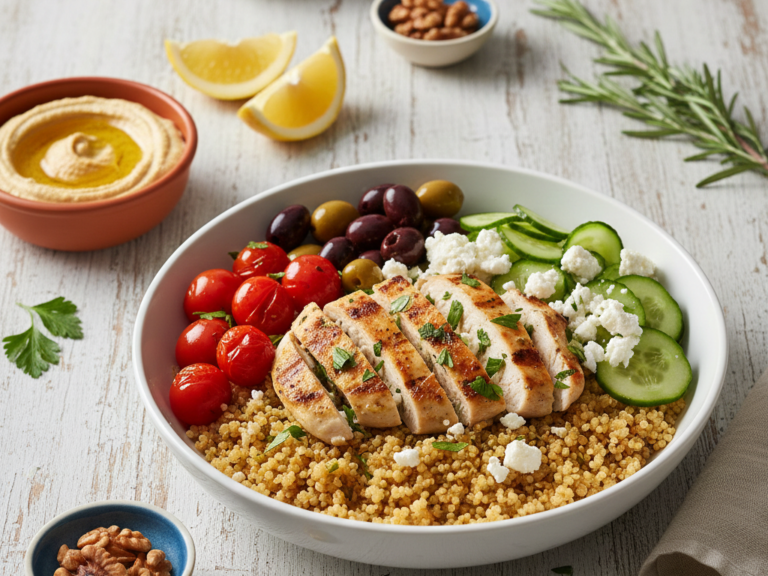
- Lunch: Big green salad with leftover shrimp or chicken, olives, feta cheese, and vinaigrette.
- Afternoon Snack: Celery sticks with almond butter.
- Dinner: Homemade turkey or black bean burgers on whole-wheat buns. Serve with a big side salad.
Day 6
- Breakfast: Weekend treat! Whole-wheat pancakes topped with Greek yogurt and berries.
- Morning Snack: A handful of trail mix (nuts and dried fruit).
- Lunch: “Clean out the fridge” salad. Use all your leftover veggies, beans, or protein with a fresh dressing.
- Afternoon Snack: Cottage cheese with pineapple.
- Dinner: Pizza night, Mediterranean style! Use a whole-wheat pita or crust, top with tomato sauce, part-skim mozzarella, and lots of veggies (mushrooms, peppers, spinach). Bake until crispy.
Day 7
- Breakfast: Smoothie made with Greek yogurt, spinach, frozen banana, and a little milk.
- Morning Snack: Hard-boiled egg.
- Lunch: Leftover pizza from last night.
- Afternoon Snack: Walnuts and an apple.
- Dinner: Celebration dinner! Hearty minestrone soup, packed with beans, vegetables, and small whole-wheat pasta, served with crusty bread.
Weekly Goal Check-In: You did it! You’ve incorporated more veggies, used olive oil, and tried new proteins like lentils and salmon. Great start!
Week 2: Days 8-14 – Expanding Your Tastes
This week, we’ll add more traditional Mediterranean flavors and dishes.
Day 8
- Breakfast: Greek yogurt with honey, walnuts, and sliced figs or grapes.
- Morning Snack: Whole-wheat crackers with cheese.
- Lunch: Quinoa salad with diced cucumber, tomato, parsley, and lemon dressing.
- Afternoon Snack: Bell pepper strips.
- Dinner: Baked cod topped with a tomato and olive mixture, served with roasted asparagus and farro.
Day 9
- Breakfast: Veggie scramble with mushrooms and zucchini.
- Morning Snack: Peach or nectarine.
- Lunch: Leftover quinoa salad from Day 8.
- Afternoon Snack: Hummus with whole-grain pita bread.
- Dinner: Chicken kebabs (with bell peppers and onions) grilled or baked, served with a Greek salad (tomatoes, cucumber, red onion, feta, olives).
Day 10
- Breakfast: Avocado toast on whole-grain bread, topped with red pepper flakes.
- Morning Snack: A handful of pistachios.
- Lunch: Lentil salad with fresh herbs and a vinaigrette.
- Afternoon Snack: Cottage cheese with berries.
- Dinner: Whole-wheat spaghetti with clams or mussels in a light white wine and garlic sauce.
Day 11
- Breakfast: Oatmeal topped with almonds and cinnamon.
- Morning Snack: An orange.
- Lunch: Leftover lentil salad or soup.
- Afternoon Snack: Greek yogurt.
- Dinner: White bean and kale soup with a sprinkle of Parmesan cheese.
Day 12
- Breakfast: Two-egg omelet with herbs.
- Morning Snack: Pear slices with a little peanut butter.
- Lunch: Tuna-stuffed tomato or avocado.
- Afternoon Snack: A small handful of mixed nuts.
- Dinner: Mediterranean baked eggs (eggs cooked in a spiced tomato sauce) with whole-wheat pita for dipping.
Day 13
- Breakfast: Greek yogurt parfait with layers of fruit and granola.
- Morning Snack: Apple.
- Lunch: Chickpea and avocado sandwich on whole-grain bread.
- Afternoon Snack: Carrot sticks.
- Dinner: Grilled or baked trout with a side of lemon-dill rice and steamed artichokes.
Day 14
- Breakfast: Whole-grain toast with ricotta cheese and sliced strawberries.
- Morning Snack: A hard-boiled egg.
- Lunch: Leftover trout or bean soup.
- Afternoon Snack: A few squares of dark chocolate (70% or higher).
- Dinner: Family-style feast! A big platter of roasted vegetables (eggplant, zucchini, peppers), grilled chicken slices, hummus, tzatziki (yogurt sauce), and warm pita bread.
Weekly Goal Check-In: You’ve tried quinoa, farro, new fish, and more herbs. Your kitchen is starting to smell like the Mediterranean!
Week 3: Days 15-21 – Feeling Like a Pro
This final week brings everything together with more traditional recipes. You’re building confidence and mastering the Mediterranean style!
Day 15
- Breakfast: Mediterranean breakfast plate: a hard-boiled egg, slice of cheese, olives, tomato slices, and whole-wheat bread.
- Morning Snack: A handful of grapes.
- Lunch: Farro salad with roasted butternut squash, dried cranberries, and a sprinkle of goat cheese.
- Afternoon Snack: Plain Greek yogurt with a teaspoon of jam.
- Dinner: Greek-inspired turkey meatballs in tomato sauce, served over whole-wheat orzo pasta with a side of steamed greens.
Day 16
- Breakfast: Smoothie bowl. Blend a frozen banana and spinach, top with granola and sunflower seeds.
- Morning Snack: Rice cakes with avocado.
- Lunch: Leftover turkey meatballs and orzo.
- Afternoon Snack: An apple.
- Dinner: Sheet-pan dinner! Salmon fillets and chopped potatoes, Brussels sprouts, and red onion tossed in olive oil and rosemary. Bake everything together.
Day 17
- Breakfast: Oatmeal made with milk, topped with sliced banana and cinnamon.
- Morning Snack: A small handful of almonds.
- Lunch: “Everything” salad with leftover roasted veggies from last night’s sheet pan, added to greens with a lemon-tahini dressing.
- Afternoon Snack: Cucumber slices with hummus.
- Dinner: Spanish-style chickpeas and spinach stew, served with a slice of crusty bread for dipping.
Day 18
- Breakfast: Two scrambled eggs with fresh herbs.
- Morning Snack: Orange slices.
- Lunch: Leftover chickpea and spinach stew.
- Afternoon Snack: A piece of dark chocolate and a few nuts.
- Dinner: Lemon-herb grilled chicken thighs with a side of Greek lemon potatoes and a simple beet salad.
Day 19
- Breakfast: Whole-wheat English muffin with peanut butter and banana slices.
- Morning Snack: Cottage cheese.
- Lunch: Salad made with leftover grilled chicken, greens, and any remaining veggies.
- Afternoon Snack: Bell pepper strips.
- Dinner: Quick shrimp and vegetable stir-fry in olive oil with garlic and ginger, served over brown rice.
Day 20
- Breakfast: Greek yogurt with granola and mixed berries.
- Morning Snack: A pear.
- Lunch: Tuna or chickpea salad stuffed in a whole-wheat pita pocket with lettuce.
- Afternoon Snack: A handful of olives and a cube of feta cheese.
- Dinner: Vegetable and white bean soup, perfect for using up any veggies in your fridge.
Day 21
- Breakfast: Celebratory breakfast! Make a veggie frittata with onions, peppers, and spinach to share.
- Morning Snack: Fresh fruit salad.
- Lunch: Enjoy the last of your soup or make a big, beautiful salad.
- Afternoon Snack: Your favorite healthy snack from the past three weeks.
- Dinner: You did it! Celebrate with a special meal. Grill a nice piece of fish or chicken. Make a fancy quinoa pilaf. Roast your favorite vegetables. Light some candles and enjoy how far you’ve come.
Weekly Goal Check-In: Congratulations on completing 21 days! You’ve explored new grains, made sheet-pan dinners, cooked traditional stews, and truly embraced this healthy lifestyle.
Essential Mediterranean Diet Recipes
Here are simple recipes for staple dishes you’ll make again and again.
Perfect Lemon-Olive Oil Dressing
- Ingredients: 1/4 cup extra virgin olive oil, 2 tablespoons fresh lemon juice, 1 small minced garlic clove, 1/2 teaspoon dried oregano, a pinch of salt and pepper.
- Instructions: Put all ingredients in a small jar with a tight lid. Shake very well until it looks mixed. Taste and add more of anything you like. Store in the fridge.
Simple Hummus
- Ingredients: 1 can (15 oz) chickpeas (drained, liquid saved), 1/4 cup tahini, 3 tablespoons lemon juice, 2 tablespoons olive oil, 1 garlic clove, 1/2 teaspoon salt.
- Instructions: Put all ingredients in a food processor or blender. Blend until smooth. If it’s too thick, add a spoonful of the saved chickpea liquid or water. Blend again. Drizzle with a little more olive oil to serve.
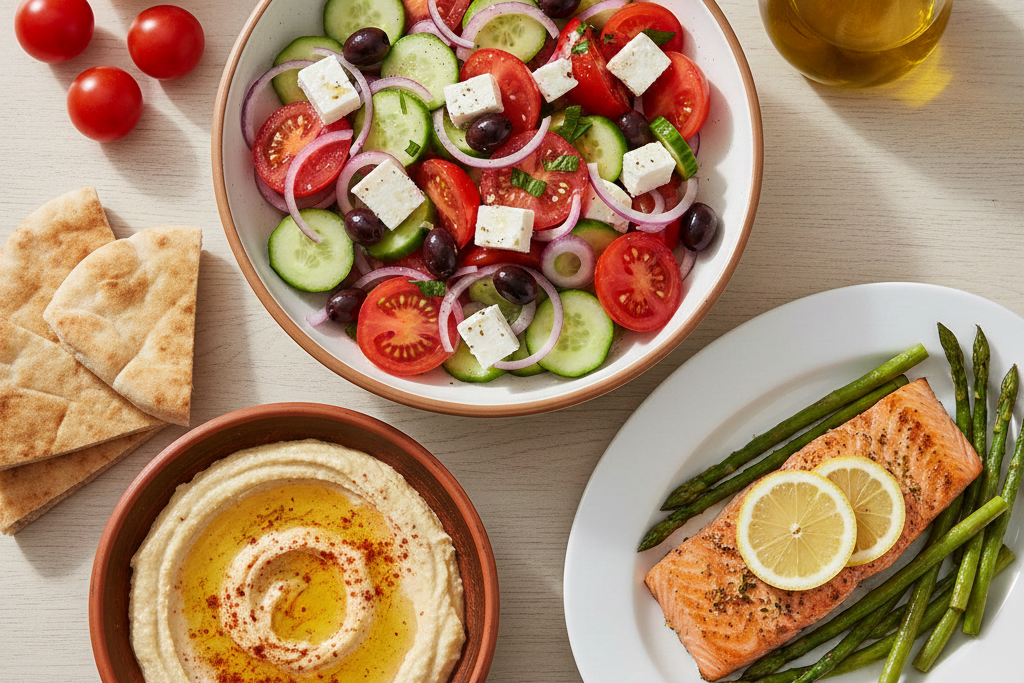
One-Pan Lemon Herb Salmon & Asparagus
- Ingredients: 2 salmon fillets, 1 bunch of asparagus (woody ends snapped off), 2 tablespoons olive oil, 1 lemon (half sliced, half juiced), 1 teaspoon dried dill or oregano, salt, and pepper.
- Instructions:
- Heat oven to 400°F (200°C).
- On a baking sheet, toss asparagus with 1 tablespoon oil, salt, and pepper. Push to the sides.
- Place salmon in the middle. Drizzle with lemon juice and remaining oil. Sprinkle with herbs, salt, and pepper. Top with lemon slices.
- Bake for 12-15 minutes until salmon flakes easily.
Easy Greek Salad
- Ingredients: 2 chopped tomatoes, 1 chopped cucumber, 1/4 thinly sliced red onion, 1/2 cup kalamata olives, 4 oz block of feta cheese (cubed), 2 tablespoons olive oil, 1 tablespoon red wine vinegar, 1 teaspoon dried oregano.
- Instructions: Gently mix tomatoes, cucumber, onion, and olives in a bowl. Top with feta cheese. Drizzle with oil and vinegar. Sprinkle oregano over everything. Toss gently right before eating.
Weekly Shopping List for Beginners
Here’s a basic list to get you started for Week 1. Buy what you need and build from there.
Produce: Lemons, garlic, onions, spinach, broccoli, tomatoes, cucumber, bell peppers, carrots, zucchini, berries, bananas, apples, oranges, avocado, sweet potato, salad greens.
Protein: Eggs, Greek yogurt, chicken breast, salmon fillets, canned tuna, canned chickpeas, canned lentils, hummus.
Grains: Whole-wheat bread, whole-wheat pasta, brown rice, quinoa, oats.
Pantry: Extra virgin olive oil, vinegar (red wine or balsamic), dried herbs (oregano, basil), nuts (walnuts, almonds), seeds.
Meal Prep Tips and Strategies
A little planning makes this diet easy during a busy week.
- Cook Grains Ahead: Make a big pot of quinoa or brown rice on Sunday. Use it for bowls, salads, and sides all week.
- Wash and Chop Veggies: When you get home from the store, wash and cut your veggies. Store them in clear containers so you see them first.
- Make a Big Batch: Soups, stews, and roasted vegetables taste great as leftovers. Cook once, eat two or three times.
- Hard-Boil Eggs: Cook a half-dozen eggs for quick snacks or to add to salads.
- Portion Snacks: Divide nuts, cheese, or cut-up fruit into small containers so they’re ready to grab and go.
Common Challenges and Solutions
- Challenge: “It takes too much time to cook.”
- Solution: Use the meal prep tips above! Simple meals like salads, omelets, and sheet-pan dinners are very quick.
- Challenge: “My family is picky.”
- Solution: Start with Mediterranean versions of foods they already like, such as pasta, pizza, or burgers. Let them add their own toppings.
- Challenge: “Some ingredients are expensive.”
- Solution: Frozen fish and vegetables are healthy, affordable, and last a long time. Canned beans and lentils are very cheap. Buy nuts in bulk.
- Challenge: “I get bored eating the same things.”
- Solution: Use the meal plan as a guide, not a rule. Swap days, try new vegetables, or use different herbs and spices to change the flavor.
Beyond the 21 Days: Making It a Lifestyle
You’ve learned the basics and felt the benefits. Now, make it your own!
- Mix and Match: Use the meal plan framework but plug in your favorite recipes that use Mediterranean ingredients.
- Enjoy Treats Mindfully: It’s okay to have pizza or dessert sometimes. The Mediterranean diet is about balance, not perfection.
- Share the Table: Invite friends or family for a meal. Cooking and eating with others is a core part of this lifestyle.
- Keep Exploring: Try a new fruit, fish, or whole grain each month. There’s always more to discover.
Frequently Asked Questions (FAQs)
Do I have to drink wine?
No. Wine is optional. The health benefits come from the food.
Can I lose weight on this plan?
Yes. This way of eating focuses on whole, filling foods, which can naturally help you manage your weight. It’s not a quick fix but a sustainable, healthy approach.
Is it okay for vegetarians?
Absolutely. The diet is plant-forward. Focus on beans, lentils, nuts, seeds, eggs, and dairy for protein.
What if I don’t like fish?
That’s okay. You can get healthy fats from walnuts, flaxseeds, chia seeds, and olive oil. Try fish in small amounts prepared different ways, or focus on other proteins.
Conclusion
You have all the tools you need to begin your Mediterranean diet journey. Remember, it’s about progress, not perfection. Start with small changes, enjoy the delicious and colorful foods, and celebrate how good you feel. Here’s to your health